Gardener Says a Neighbor Asked to Store One Plant in Her Greenhouse for a Week, Now It’s Been There for Months
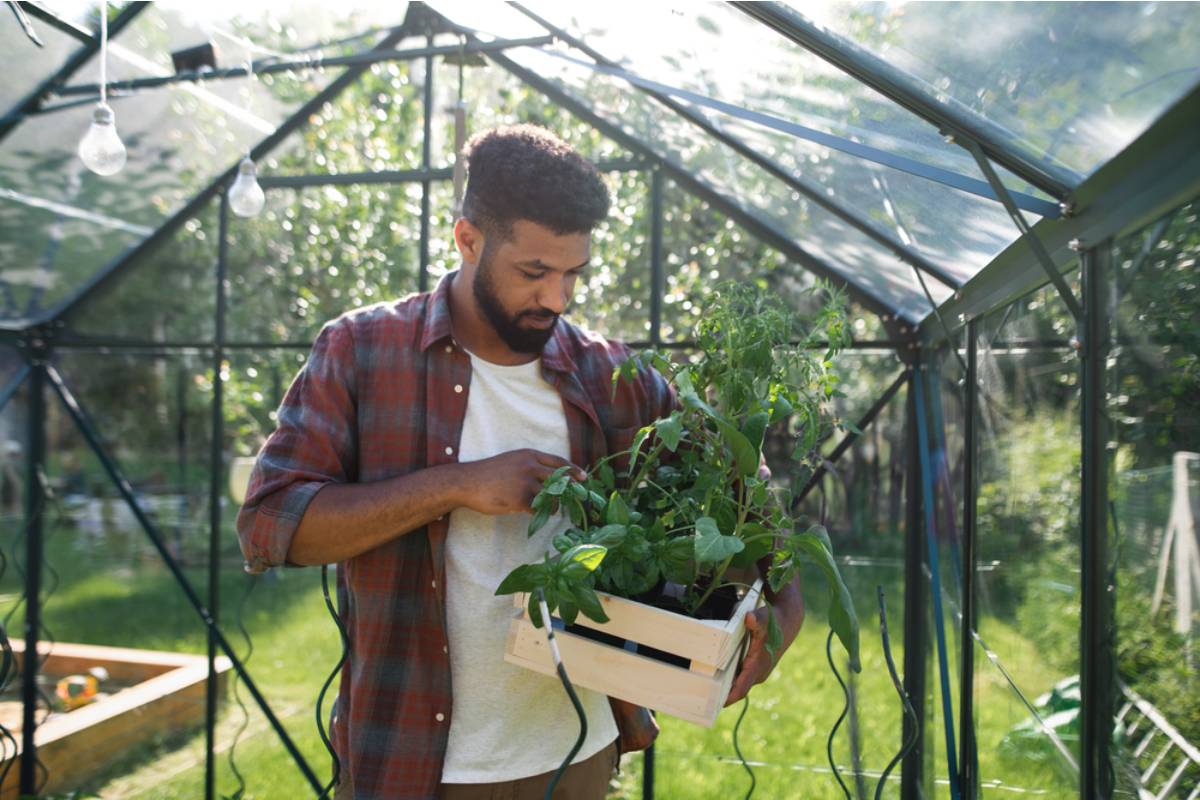
It began on an ordinary afternoon when the neighbor knocked on her back gate holding a small potted plant. He explained his apartment was undergoing repairs and asked if she could store it in her greenhouse for just one week. The plant was nothing unusual, just a leafy ornamental he said needed stable warmth. She agreed without thinking much of it. She had space, and it seemed like a harmless favor. At the time, she never imagined that single request would become a long term problem.
A Week That Quietly Turned Into Two
After the first week passed, she expected him to come retrieve it. Instead, the neighbor stopped by briefly and said the repairs were taking longer than expected. He thanked her again and asked if it could stay just a little longer. She agreed, slightly confused but still polite. The plant was healthy, so it was easy to forget it was even there. By the second week, she had already stopped counting.
The Greenhouse Begins to Feel Crowded
A month later, she noticed the plant had grown noticeably larger. It had started taking up space she normally used for seedlings. She brought it up casually when she saw the neighbor outside. He smiled and said it must be doing well under her care. There was no urgency in his voice, which made it harder to insist on removing it. She let it stay, telling herself it was temporary.
A Second Plant Appears Unexpectedly
One afternoon, the neighbor arrived holding another plant. He said the first one had been doing so well that he trusted her greenhouse more than his own home. Without waiting for a clear answer, he placed it inside. She felt too surprised to refuse in the moment. The first favor suddenly turned into something more complicated. Now there were two plants she was unintentionally responsible for.
The Greenhouse Starts Losing Its Purpose
What was once a space for her gardening projects slowly became occupied by his plants. She had to move her trays to the corners just to make room. When she asked again about taking them back, he gave another vague explanation about delays at his place. She started noticing that he never seemed in a hurry. The situation was shifting from temporary favor to ongoing expectation.
A Casual Visit Turns Awkward
During one visit, she suggested he might want to bring the plants back soon. He looked around the greenhouse and commented on how well she was caring for them. Then he said it was probably better they stayed where they were. The tone was light, but the message felt heavy. She laughed politely, unsure how to respond. That conversation made her realize the arrangement might not be as temporary as she thought.
The First Signs of Frustration
As more time passed, she began adjusting her routine around his plants. Watering, pruning, and checking them became part of her daily schedule. She started feeling responsible for something she never intended to adopt. When she brought it up again, the neighbor simply said he appreciated her help. There was no acknowledgment that the situation had changed from a one week favor to months of caretaking.
A Third Plant Arrives Without Discussion
One morning, she found yet another plant already placed inside the greenhouse. The neighbor had apparently dropped it off while she was out. This time, he left no explanation, only a short message saying it needed “the same conditions as the others.” She stood there staring at it, realizing the pattern had escalated. What was once permission was now assumption.
The Greenhouse Becomes His Storage Space
By now, nearly a third of her greenhouse was filled with his plants. She could no longer use it the way she had planned for the season. When friends visited, they assumed the arrangement was intentional. She started correcting people more often than she liked. Each explanation made her feel more stuck in a situation she never fully agreed to.
A Direct Conversation Finally Happens
She finally asked the neighbor directly to take the plants back. He seemed surprised, as if the issue had never occurred to him. He said he would “figure something out soon” but did not give a date. She realized she had heard that kind of answer before. The lack of urgency frustrated her more than refusal would have. Nothing changed after that conversation.
The Breaking Point in the Greenhouse
One of her own seedlings died after being shaded out by the larger borrowed plants. That loss made her realize the cost of the situation. The greenhouse was no longer serving her needs at all. She called the neighbor again, this time more firmly. He responded with another delay and said he was still working on space at home. That was the moment she decided the arrangement had to end.
A Firm Boundary Is Set
She told him clearly that the plants needed to be removed within the week. This time, there was no polite uncertainty in her voice. The neighbor finally agreed, though he seemed reluctant. When he arrived to take them back, he remarked again on how well they had grown. She did not engage in the compliment. She simply helped him carry them out.
Aftermath of a Favor That Went Too Far
Once the greenhouse was empty again, the space felt noticeably different. She spent time reorganizing it to reclaim what she had lost during those months. The experience left her more cautious about small favors. What had started as kindness turned into an unspoken obligation. And she realized that sometimes the hardest part of gardening is not growing plants, but knowing when to say no.