People Are Growing Vegetables Without Traditional Pots, And Hanging Systems Are Becoming a New Space-Saving Trend
People are increasingly growing vegetables without traditional pots, and hanging systems are becoming a popular space-saving trend for small homes, balconies, and indoor setups. This approach is changing how limited spaces are used for gardening.
Hanging Systems Are Replacing Floor Space
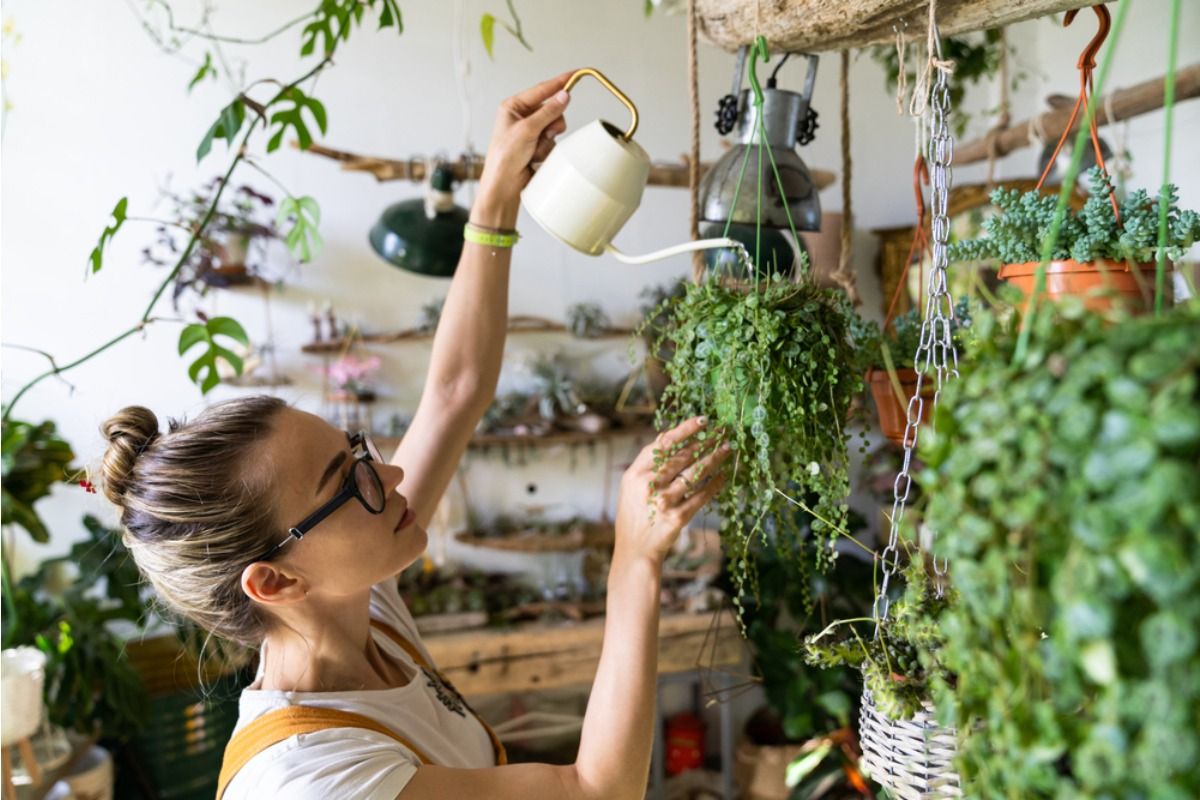
Instead of placing pots on the ground, gardeners are suspending containers from walls, ceilings, or railings. This frees up valuable floor space. It allows more plants to fit into compact areas. Vertical use of space becomes the focus. Even small balconies feel larger.
Lightweight Containers Make Setup Easier
Many hanging systems use lightweight baskets, fabric bags, or recycled containers. These are easy to install and move. They reduce the need for heavy pots or large setups. Flexibility is a key advantage. Gardeners can adjust layouts quickly.
Vegetables Are Adapting Well to Vertical Growth
Leafy greens, herbs, cherry tomatoes, and peppers are commonly grown in hanging setups. These plants can thrive with proper support and sunlight. Growth direction is managed through positioning and pruning. Plants adjust well to vertical conditions. Yield remains strong in small spaces.
Better Sunlight Exposure in Some Cases
Hanging plants can be positioned to catch more consistent sunlight. This helps reduce shading from surrounding objects. Light distribution becomes easier to manage. Plants may grow more evenly. Placement plays an important role in success.
Improved Airflow Reduces Plant Issues
Elevated plants often receive better airflow compared to tightly packed ground pots. This can help reduce moisture buildup and some pests. Healthier growing conditions are easier to maintain. Ventilation becomes a natural benefit. Plants stay cleaner and drier.
Watering Requires More Attention
Hanging systems can dry out faster than traditional pots. This means more frequent watering is often needed. Drainage must also be carefully managed to avoid mess. Consistency is important for healthy growth. Maintenance becomes slightly more active.
Creative Use of Household Spaces
People are using walls, balconies, fences, and even kitchen corners to hang plants. This turns unused areas into productive spaces. Gardening becomes part of home design. Every vertical surface becomes useful. Space efficiency increases significantly.
Recycled Materials Are Commonly Used
Many hanging systems are made from bottles, buckets, or repurposed fabric. This keeps costs low and reduces waste. It also encourages creativity in setup design. Sustainability is a key factor. DIY solutions are widely used.
Urban Gardening Is Expanding Upward
As ground space becomes limited in cities, gardening is moving vertically. Hanging systems are part of this shift. They allow more food production in dense environments. Urban homes can still support fresh vegetables. Gardening adapts to space constraints.
A Shift Toward Flexible Home Growing
The move away from traditional pots reflects a broader trend toward adaptable gardening methods. People want systems that fit small, changing spaces. Hanging gardens offer that flexibility. They are easy to expand or modify. Gardening becomes more dynamic.
As hanging vegetable systems grow in popularity, home gardeners are discovering new ways to turn vertical space into productive growing areas. For many, it’s a simple solution that makes small-space gardening more efficient and creative.