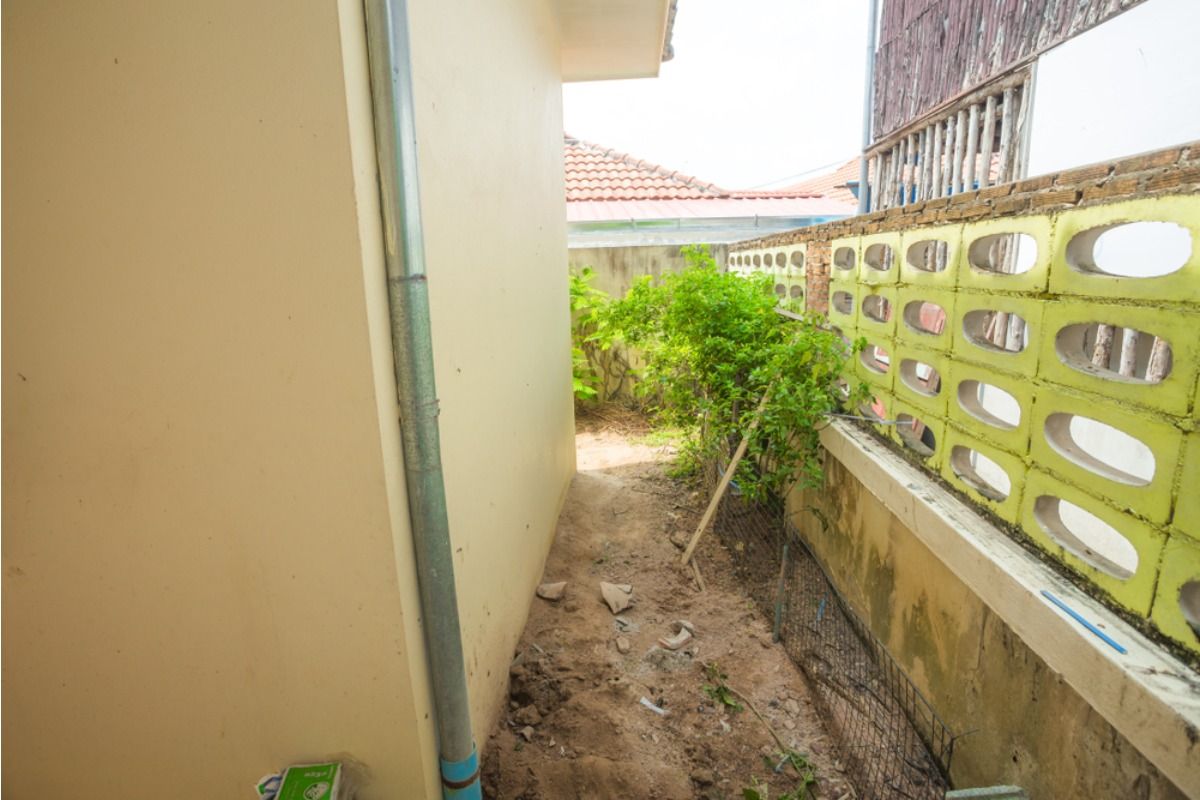
Home Gardeners Are Using Tiny Spaces Between Buildings to Grow Vegetables, And It’s Turning Unused Corners Into Food Sources
Home gardeners are increasingly using small, often overlooked spaces between buildings to grow vegetables, and these unused corners are being transformed into surprisingly productive mini food sources.
Small Gaps Are Becoming Productive Growing Areas
Narrow spaces between walls, fences, and buildings are being repurposed for container gardening. Even areas with limited sunlight or airflow are being used creatively. These spaces were previously ignored or left empty. Now they are being turned into growing zones. Every small corner is gaining value.
Container Gardening Fits Tight Urban Spaces
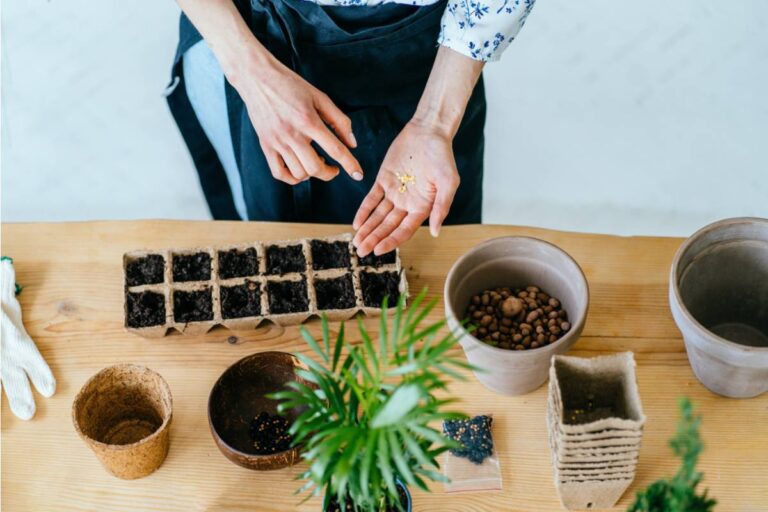
Because soil beds are not always possible, gardeners rely on pots, crates, and vertical planters. These can be arranged in tight rows or stacked efficiently. This allows food production in very limited space. Flexibility is the key advantage. Setup can be adjusted based on available room.
Herbs and Leafy Greens Perform Best in Narrow Areas
Crops like mint, coriander, spinach, and lettuce grow well in small shaded spaces. They do not require large root systems or direct full-day sunlight. This makes them ideal for between-building gardens. Growth is steady with proper care. Yield is small but consistent.
Micro-Environments Help Control Growth Conditions
Spaces between buildings often have stable temperatures and reduced wind exposure. This can create a more controlled environment for certain plants. However, light levels must still be managed carefully. Reflection from nearby walls can sometimes help. Conditions are unique but usable.
Watering and Drainage Need Extra Attention
Limited airflow can cause soil to stay moist for longer periods. This makes proper drainage essential. Overwatering can quickly lead to plant issues. Gardeners often adjust watering schedules based on conditions. Small spaces require more careful monitoring.
Creative Use of Vertical Surfaces Expands Capacity
Walls, pipes, and fences are being used to hang planters or support climbing plants. This increases growing area without taking up ground space. Vertical gardening makes tight areas more productive. It also improves organization. Space is used in multiple directions.
Unused Urban Spaces Gain New Purpose
What once were empty gaps between structures are now contributing to local food production. This reduces waste of usable space in dense areas. It also adds greenery to urban environments. Even small harvests make a difference. Function replaces emptiness.
Low-Cost Gardening Is Driving Adoption
Many gardeners use recycled containers and simple materials to start. This keeps costs low and accessibility high. No large investment is needed to begin. Creativity replaces infrastructure. This encourages more people to participate.
Maintenance Is Simple but Consistent
These gardens do not require heavy work but do need regular care. Daily watering, pruning, and checking plants is important. Small spaces make tasks quick but frequent. Consistency ensures success. Neglect can quickly affect results.
Urban Food Production Is Becoming More Localized
Using between-building spaces reflects a broader shift toward localized food growing. Even tiny areas are being reimagined as productive. This reduces reliance on larger gardens or rural space. Food production becomes more distributed. Small-scale gardening is gaining importance.
Turning unused corners between buildings into gardens shows how urban spaces can be redefined. With simple setups and careful care, even the smallest gaps are becoming meaningful sources of fresh vegetables.