People Are Growing Vegetables in Recycled Containers at Home, And It’s Becoming a Low-Cost Alternative to Traditional Gardens
More people are turning everyday waste into growing spaces by using recycled containers for home vegetable gardening, and it is quickly becoming a practical, low-cost alternative to traditional setups.
Recycled Containers Are Making Gardening More Accessible
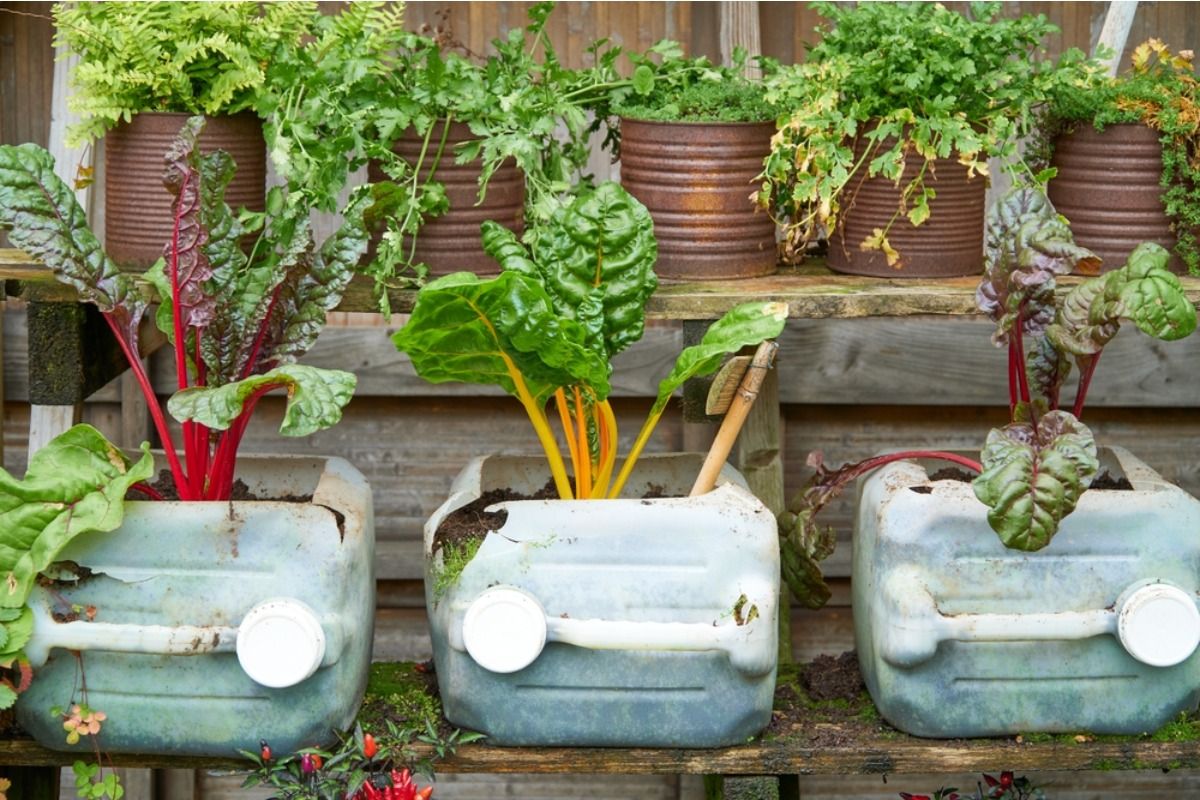
Items like plastic bottles, buckets, cans, and food containers are being reused as planters. This reduces the need to buy expensive pots or garden beds. It also makes gardening possible for almost any household. The barrier to entry becomes much lower. People can start with what they already have at home.
Cost Savings Are Driving the Trend
Traditional gardening setups often require soil beds, tools, and containers, which can add up in cost. Recycled container gardening removes many of these expenses. Even fertilizers and seeds can be used more efficiently in small setups. This makes it attractive for beginners. Low investment encourages experimentation.
Small Spaces Become Fully Functional Gardens
Balconies, windowsills, and rooftops are being transformed using compact containers. Even a few recycled items can support multiple plants. This allows urban residents to grow food without dedicated land. Space limitations are no longer a major barrier. Creativity replaces space requirements.
Drainage and Setup Matter More Than Material
While containers are reused, proper drainage is still essential. Small holes or layered bottoms help prevent waterlogging. Without this, roots can struggle. Simple adjustments make a big difference. Function matters more than appearance.
Soil Quality Still Plays a Key Role
Even in recycled containers, healthy soil is important for plant growth. Many gardeners mix compost with regular soil to improve nutrients. Container size also affects root development. Better soil leads to better yields. The container is only part of the system.
Easy Expansion Encourages More Gardening
Because materials are easy to find, gardeners can quickly expand their setups. More containers mean more plants without major investment. This encourages gradual growth of home gardens. People often start small and scale up. Progress happens step by step.
Environmental Benefits Add to Popularity
Reusing containers reduces household waste and supports sustainability. Instead of discarding plastics or tins, they are repurposed. This adds an eco-friendly aspect to gardening. Waste is turned into a useful resource. The impact extends beyond food production.
Crop Choice Helps Maximize Results
Leafy greens, herbs, and small vegetables perform best in recycled containers. These plants adapt well to limited space. Larger crops may require bigger setups. Choosing the right plants improves success rates. Smart selection is important for beginners.
Maintenance Is Simple and Flexible
Container gardens are easier to move, clean, and manage. Plants can be repositioned based on sunlight. Watering is more controlled in smaller spaces. This makes daily care simpler. Flexibility is one of the biggest advantages.
A Practical Shift in Home Gardening
Recycled container gardening is changing how people think about growing food at home. It combines affordability, sustainability, and convenience. What was once waste is now part of food production. Gardening becomes more inclusive and adaptable.
Using recycled containers is proving that home gardening doesn’t require expensive setups or large spaces. With simple materials and basic care, people are turning everyday waste into productive vegetable gardens.