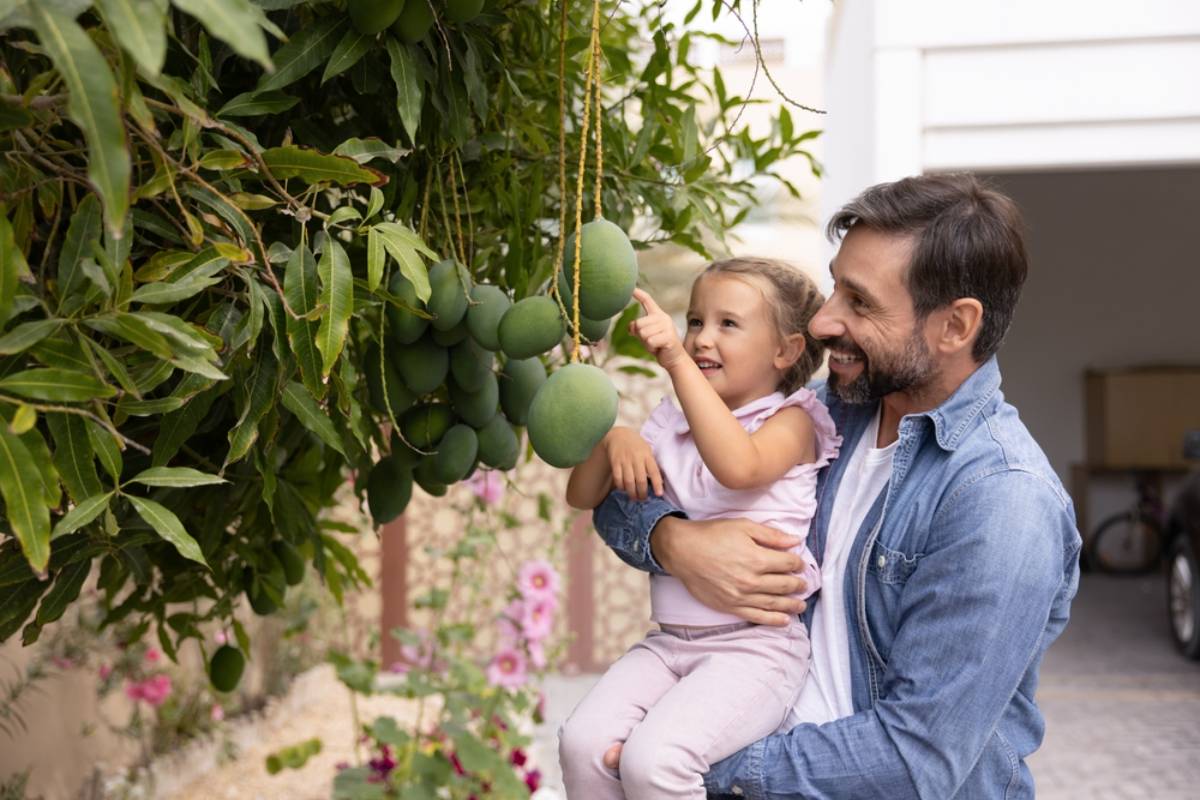
Homeowner Says Ripe Mangoes Kept Vanishing From His Garden Overnight, Then He Caught His Neighbor Climbing the Boundary Wall
A small home garden can feel like a private little paradise, especially when it is filled with fruit trees that reward you after months of waiting. One homeowner had two mango trees and a lemon tree growing inside a walled garden, and for a while, the ripening harvest seemed to be the best part of his mornings. Then the fruit started disappearing.
The Garden Was Supposed to Be a Peaceful Little Harvest
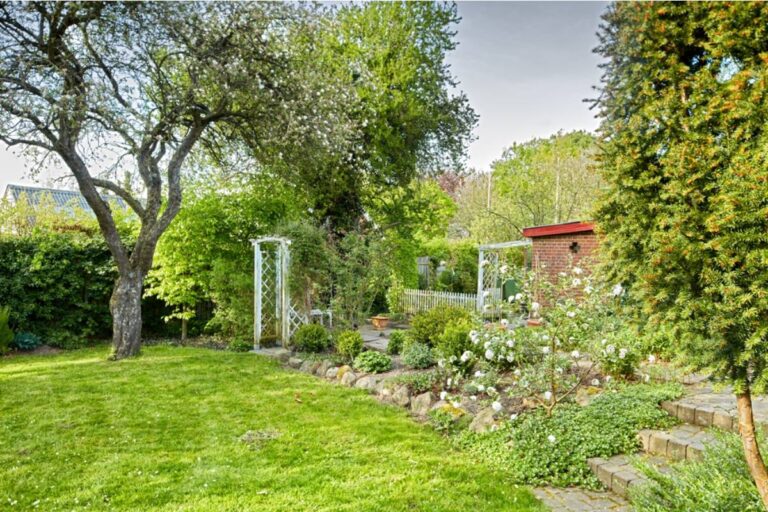
The homeowner explained that his garden sat directly in front of his house and was enclosed by a boundary wall. There was a main gate and a smaller side gate, so getting inside without permission should not have been easy. With two mango trees and one lemon tree producing fruit, he had plenty to look forward to during harvest season.
He was also not the sort of person who guarded every mango like a treasure. In the past, he regularly shared extra fruit with friends, family members, and neighbors. That made the sudden disappearances especially frustrating because the garden had always been a place where everyone could enjoy the harvest.
Then the Ripe Mangoes Started Vanishing
The pattern was difficult to ignore once it began repeating itself. A person shared his story and said he would see a ripe mango hanging from the tree in the evening, only to discover that it was gone the next morning. At first, it could have been an animal or some other harmless explanation, but the missing fruit kept adding up.
The lemon tree soon joined the mystery as well. He recalled going outside expecting to pick from a batch of about ten lemons, only to find that none were left. It was becoming less like an unlucky harvest and more like someone had discovered a free produce stand.
The Disappearing Fruit Was Not Random
The homeowner began paying closer attention to what happened whenever he went outside to check his trees. He noticed his neighbor giving him what he described as a half smile whenever he came out to look for fruit that was no longer there. That small reaction started to feel much more suspicious as the losses continued.
Still, suspicion is different from proof. Fruit can disappear because of birds, squirrels, other animals, or even people passing through areas that are not properly secured. The homeowner seemed determined to figure out what was actually happening before accusing someone based only on a feeling.
He Started Watching the Boundary Wall
Because the garden was surrounded by a wall, the homeowner considered how someone could be getting close enough to pick the fruit. There was no obvious reason for a person to enter the garden, especially because the gates provided controlled access. That left the boundary wall as the most interesting part of the mystery.
He began to suspect that someone might simply be climbing over it. The idea sounded ridiculous at first because stealing a few mangoes hardly seemed worth the trouble of scaling a wall. But the missing fruit and the strange timing were starting to make the theory feel less ridiculous.
Then He Saw His Neighbor on the Wall
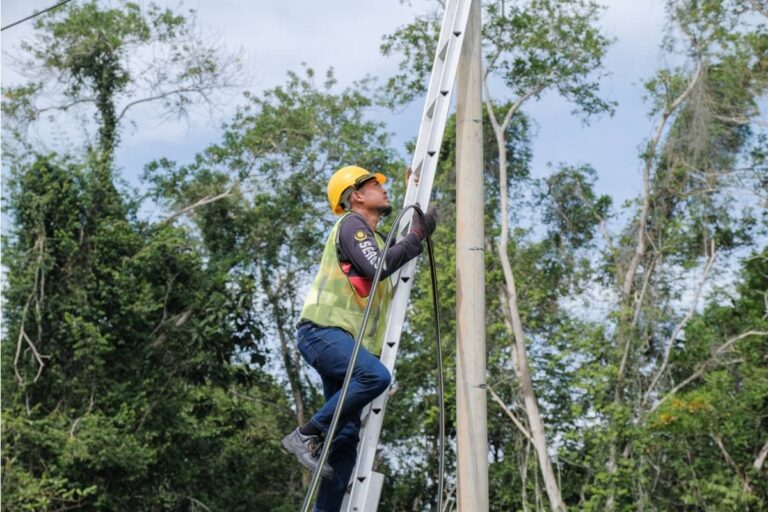
Eventually, the homeowner said he caught his neighbor climbing over the boundary wall. Suddenly, the disappearing mangoes and lemons had a much more personal explanation. What had been an irritating garden mystery had turned into a confrontation waiting to happen.
He asked the neighbor what he was doing inside the garden area. Instead of admitting to taking fruit, the neighbor reportedly offered a very different explanation for being there. He claimed he was looking for something that his child had thrown into the garden.
The Explanation Raised an Even Bigger Question
That excuse might have sounded believable under different circumstances. People misplace things, children throw objects, and neighbors occasionally retrieve belongings from places they should not have entered. The problem was that the homeowner knew something about the child that made the story seem strange.
According to the person who shared the story, the child was less than one year old. The homeowner pointed out that the baby was not even capable of properly grabbing things, much less tossing something over a boundary wall into a neighboring garden. Instead of solving the mystery, the explanation seemed to create a second mystery.
Suddenly the Fruit Theft Theory Looked Different
Once the homeowner had actually seen the neighbor climbing the wall, the repeated fruit disappearances became harder to dismiss. The missing mangoes were no longer isolated incidents happening in the background. They now appeared alongside a neighbor who had physically entered the garden area.
That still did not establish exactly what had happened every time fruit disappeared. However, it gave the homeowner a concrete reason to be more careful about what he left growing within easy reach. The next ripe mango might not simply be waiting for breakfast the following morning.
A Response From a Person Suggested a Camera
A response from a person suggested installing a camera so the homeowner could finally see who was entering the garden. That would have the advantage of turning suspicion into evidence instead of relying on suspicious looks or incomplete explanations. It would also show whether the problem involved the neighbor, animals, or someone else entirely.
Other responses suggested practical garden defenses that would make unwanted access more difficult. Motion-activated sprinklers were mentioned as one way to surprise an unexpected visitor without directly confronting anyone. For a fruit garden, something as simple as a visible camera or light could also make the space feel much less inviting to anyone looking for an easy harvest.
Other People Had Some Very Creative Ideas
The responses did not stop with cameras and sprinklers. Some people suggested thorny plants or other landscaping choices around the boundary as a natural deterrent. Those ideas fit surprisingly well with the garden itself because the solution could become part of the planting design rather than another ugly security measure.
There were also a few much more dramatic suggestions involving dangerous traps or substances, but those would create far bigger problems than a missing mango. A garden meant to produce food should never become a hazard for neighbors, children, pets, or the homeowner himself. The safer suggestions were much more practical, especially when the real goal was simply to protect the harvest.
The Homeowner Had One Advantage All Along
The garden was already producing enough fruit for the homeowner to share with other people. That meant the conflict was not really about scarcity, but about someone taking the harvest without permission. He had no problem giving fruit away when he chose to, which made the idea of someone helping themselves particularly irritating.
That detail also explains why the situation felt like more than a few stolen mangoes. Gardening takes time, watering, pruning, patience, and plenty of waiting for the right moment to harvest. When someone quietly takes the finished reward, they are not just removing fruit from a tree, but ignoring the work that went into growing it.
The Real Twist Was Not the Missing Mangoes
The biggest twist in the story was that the homeowner had apparently spent days wondering where his fruit was going before seeing his neighbor on the wall. Every vanished mango had seemed like another small mystery, and every empty spot on the lemon tree added to the frustration. Then one glimpse transformed the whole situation.
Yet even after catching the neighbor there, the homeowner was still left with one unanswered question. Was the neighbor actually responsible for all the missing fruit, or had the garden been visited by more than one kind of thief? Until there was a camera or another clear piece of evidence, the mystery was not completely closed.
A Fruit Tree Can Become a Neighborhood Attraction
There is something about a loaded mango tree that makes people forget where property lines are. Bright fruit hanging over a wall can look like an invitation to someone who has convinced himself that taking one or two will not matter. But one mango can become five, and five can become an entire harvest disappearing before the owner gets a chance to pick it.
The same thing can happen with lemons, oranges, guavas, peaches, or any other backyard crop. A garden may be private, but a tree full of ripe fruit can attract plenty of attention from the outside. That is why protecting a harvest often starts with making it obvious that the gardener notices who comes near it.
The Best Solution May Be Watching Instead of Guessing
For this homeowner, the next step seemed likely to involve observation rather than more accusations. A camera could document who enters the garden, while better lighting or a motion-activated sprinkler could discourage anyone from trying again. Those measures would also help separate human activity from the possibility of animals taking the fruit.
That distinction matters because a gardener could spend days blaming the wrong person while squirrels enjoy an all-you-can-eat buffet. The original story ended with suspicion and frustration, not a neatly proven case against the neighbor. Until the next ripe mango disappears, the garden still has one final secret to reveal.
The Next Harvest Could Finally Expose Everything
The homeowner has already learned that checking the trees in the evening may not be enough. A mango that looks perfectly safe at sunset can become tomorrow morning’s mystery if someone decides the garden is an unofficial fruit stand. With cameras, better observation, and a few harmless deterrents, the next harvest could tell him much more than the previous ones did.
And that is the strange twist of growing your own food. After spending months waiting for a fruit tree to produce, the hardest part may not be watering it or protecting it from pests. Sometimes, the biggest challenge is figuring out who else has decided they deserve a taste before you do.