Home Gardeners Are Growing Vegetables Indoors This Season, But One Light Mistake Is Limiting Their Growth
More home gardeners are turning to indoor setups this season, growing vegetables in controlled environments where temperature and watering feel easier to manage. But despite healthy-looking plants, many are seeing slow growth, leggy stems, or disappointing yields. In many cases, one simple light-related mistake is the cause.
Light Intensity Is Often Too Low
Indoor lighting may look bright to the human eye, but plants need much stronger light for proper growth. When intensity is too low, plants stretch toward the light source, becoming tall and weak instead of compact and productive.
Distance From the Light Source Matters
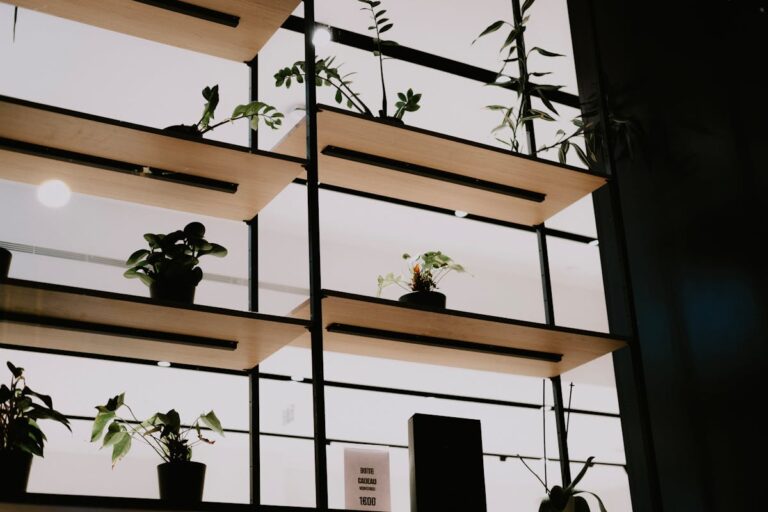
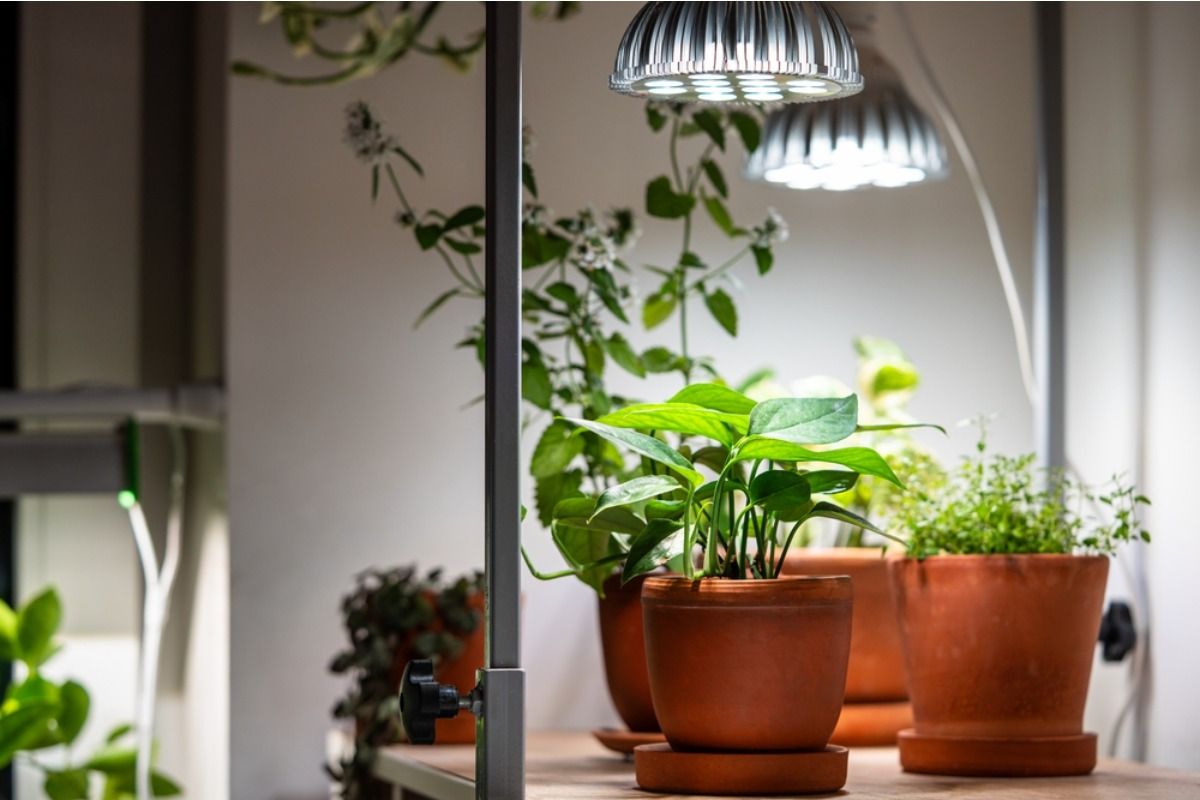
Even good grow lights lose strength quickly with distance. If lights are placed too far above the plants, the usable light drops significantly. This leads to thin stems and slower development.
Light Duration Isn’t Always Enough
Vegetables typically need long periods of light each day. If lights are turned on for only a few hours, plants don’t get enough energy to sustain strong growth. Consistency in daily exposure is key.
Incorrect Light Spectrum Can Limit Growth
Not all lights provide the full spectrum plants need. Some household bulbs lack the wavelengths required for balanced development, especially for fruiting or leafy vegetables.
Uneven Light Distribution Affects Results
If light isn’t spread evenly, some plants receive less exposure than others. This leads to uneven growth across the garden, with some plants thriving while others lag behind.
Natural Light May Be Misleading
A bright window doesn’t always mean sufficient light. Seasonal changes, window orientation, and glass filtering can reduce the actual light plants receive indoors.
Signs of Light Issues Are Subtle at First
Early signs, like slight stretching or lighter leaf color, are easy to overlook. By the time growth problems become obvious, plants may already be struggling.
Small Adjustments Can Make a Big Difference
Lowering lights closer to plants, increasing daily exposure time, or using appropriate grow lights can significantly improve growth. Even minor corrections often lead to noticeable results.
Indoor gardening offers control, but light remains one of the most critical factors. When lighting conditions are properly adjusted, plants are far more likely to grow strong, healthy, and productive, even without outdoor sunlight.