Homeowner Says a Neighbor Asked for One Tomato Plant Three Years Ago, Now Half the Street Expects Free Seedlings Every Spring
When Daniel Brooks gave his neighbor a single tomato seedling three years ago, he thought nothing of it. It was a simple gesture, the kind of small kindness common in suburban Michigan where neighbors often swap plants and advice. Daniel had grown the seedling from a batch he started on his kitchen windowsill, never expecting it to become a recurring topic in his neighborhood. But what began as a one time favor slowly turned into something that followed him every spring. And by the third year, it felt like the entire street had rewritten the meaning of that single plant.
A Simple Knock at the Door
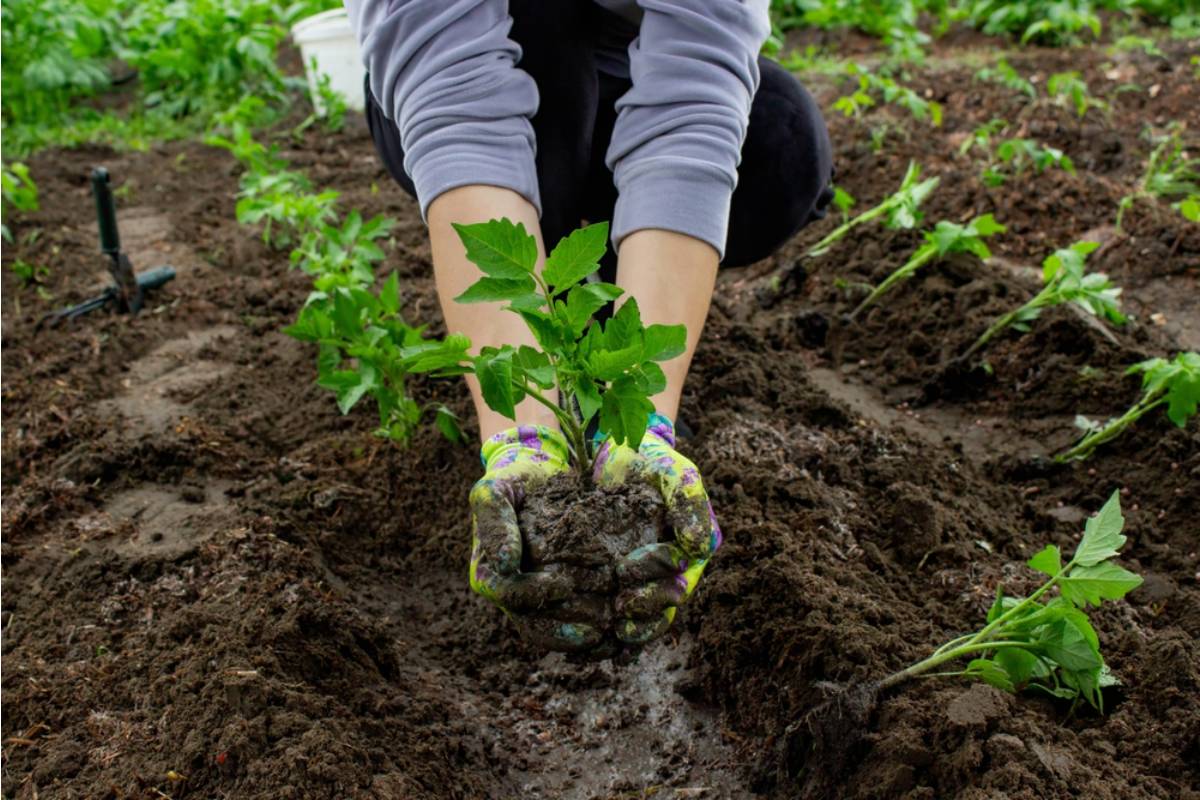
It started when Mrs. Collins from next door asked if Daniel had any extra tomato plants. She said she wanted to try gardening for the first time. Daniel handed her one healthy seedling without thinking much about it. She thanked him and promised to return the pot later. It felt like a normal neighborly exchange.
The Plant Thrives a Little Too Well
By midsummer, Mrs. Collins’ tomato plant was growing unusually large. She mentioned it proudly to another neighbor during a barbecue. She even pointed out that Daniel had grown it himself. That small detail caught more attention than expected. Soon, others began asking where she got it.
The First Unexpected Request
The following spring, someone else from the street knocked on Daniel’s door asking for a tomato plant. They said Mrs. Collins had recommended him. Daniel was surprised but gave away another seedling. He figured it was harmless. He assumed it would stay a one off situation.
The Story Spreads Across the Street
Within a year, more neighbors started showing up in early spring. Some referenced Mrs. Collins directly. Others said they heard about “Daniel’s tomato plants” from someone else. The requests became more organized than casual. People began asking how many they could reserve.
A Misunderstanding Takes Root
One afternoon, Daniel overheard a conversation at the mailbox. Two neighbors were discussing how Daniel “always gives out free seedlings every year.” That was the first time he realized the story had grown beyond him. He had never promised anything annual. But that was not how others remembered it.
The First Supply Shortage
The next spring, Daniel tried to reduce how many seedlings he started. He simply did not have the space or time for large batches. When neighbors came asking, he had to turn some away. The reactions surprised him. Some looked disappointed, others confused, as if something expected had been taken away.
A List Begins to Form
One neighbor suggested creating a list for “seedling distribution.” Daniel laughed, thinking it was a joke. But a handwritten list actually appeared on someone’s porch a week later. It included names of people who had “requested plants previously.” Daniel had not been consulted.
Conversations Turn Into Assumptions
At a neighborhood gathering, people casually discussed “this year’s tomato batch” as if it were confirmed. Daniel corrected them, saying nothing had been planned. The response was silence, followed by polite confusion. It was clear the expectation had already formed without his agreement.
A Neighbor Uses His Name
Mrs. Collins mentioned to a newcomer that Daniel was “the guy who supplies tomato starts every spring.” Daniel overheard it while watering his lawn. He did not correct her immediately. It felt awkward to challenge something that had already become community lore.
The Garden Becomes a Talking Point
People began stopping to look at Daniel’s backyard more often. Some asked what varieties he would be growing this year. Others suggested improvements to his setup. What used to be a private hobby now felt like a shared neighborhood project he never agreed to lead.
A Direct Confrontation at the Fence
One afternoon, a neighbor leaned over the fence and asked how many seedlings they could expect that year. Daniel finally said there would be no distribution plan. The neighbor looked genuinely surprised. They responded, “But everyone depends on it now.” That sentence stayed with him longer than expected.
The Spring Without Seedlings
The following spring, Daniel did not start any extra plants. He focused only on his own small garden. When neighbors realized there would be no seedlings, reactions varied. Some were disappointed but understanding. Others were openly frustrated, as if a shared tradition had been canceled.
A Neighborhood Conversation Without Him
Daniel later learned that neighbors had discussed the situation without inviting him. Some suggested he was being inconsiderate. Others defended his right to stop. The debate itself made him realize how deeply the expectation had embedded itself into local routine.
A New Boundary Takes Shape
The next year, Daniel quietly started just a few seedlings again, but kept them strictly for himself. When asked, he politely explained that he was no longer distributing plants. The conversations became shorter after that. People eventually stopped asking as often.
Letting the Story Fade
Over time, the neighborhood moved on to other topics. New gardeners emerged, and others started their own small exchanges. Daniel’s tomato seedlings were no longer a shared expectation. And while the story still came up occasionally, it served as a reminder that even a single act of kindness can grow into something far larger than intended.