Some Home Gardeners Are Stopping Backyard Tours After Visitors Began Showing Up With Containers Hoping to Take Home Produce
When Olivia Grant started her backyard vegetable garden in a quiet Michigan suburb, it was meant to be a personal project. She enjoyed tending tomatoes, cucumbers, and peppers after long workdays, often sharing photos with friends online. At first, neighbors admired the garden from a distance and occasionally stopped to ask questions. Olivia did not mind showing them around. But over time, those casual visits began to change in ways she never expected. What once felt like a friendly neighborhood hobby slowly turned into something harder to manage.
The First Backyard Tour
It started with a simple invitation. A neighbor asked if they could see the garden up close, and Olivia agreed. She walked them through each section, explaining what she was growing. The neighbor left impressed and thanked her warmly. Olivia thought it would be a one time thing.
More Visitors Start Arriving
Within weeks, other neighbors began asking for the same informal tours. Olivia found herself repeating the same explanations over and over. People were curious about spacing, soil, and yield. She enjoyed the attention at first. It felt like sharing knowledge, not responsibility.
The First Unexpected Container
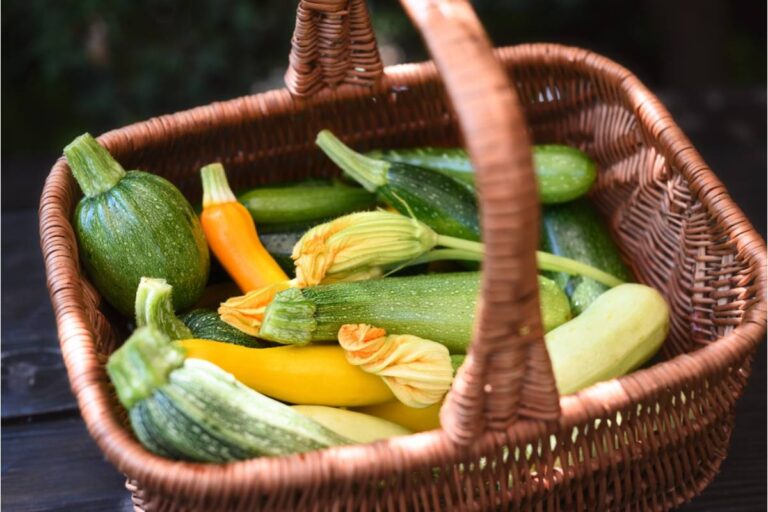
One afternoon, a visitor arrived carrying a plastic container. They joked about taking a few tomatoes home if there were extras. Olivia laughed awkwardly and said she was still harvesting for her own meals. The visitor looked slightly disappointed but left without issue. Olivia did not think much of it at the time.
The Pattern Begins to Form
After that visit, containers started appearing more frequently. Some guests brought small bags, others brought empty baskets. They would point at vegetables during tours and ask if anything was “ready to share.” Olivia began feeling pressured to clarify boundaries she had never needed before. The garden no longer felt like just her space.
A Conversation That Changed Her Mind
One visitor openly asked if she planned to give away surplus produce regularly. Olivia explained that her garden was primarily for her household. The visitor responded that it looked like she had “more than enough for everyone.” That comment stayed with her longer than she expected. It was the first time she felt her garden was being interpreted as a shared resource.
Neighbors Talk Among Themselves
Olivia later overheard neighbors discussing her garden as if it operated like a community patch. Some assumed she was encouraging informal sharing. Others mentioned how generous she seemed. The misunderstanding was spreading without her involvement. She realized the narrative was forming on its own.
The First Firm No
During a weekend visit, someone asked directly if they could take cucumbers home. Olivia politely said no. The visitor seemed surprised and slightly uncomfortable. They left earlier than planned. After that moment, she noticed fewer spontaneous compliments during tours.
Tours Become Awkward
What once felt like friendly walkthroughs began to feel tense. Visitors would pause near ripe vegetables and hesitate before speaking. Olivia started rushing through explanations. She no longer enjoyed showing people around her backyard. The atmosphere had shifted.
A Group Visit Creates Pressure
A small group arrived together one afternoon, all carrying containers. They treated the visit like a casual harvest opportunity. Olivia explained again that she was not offering produce for take home. The group exchanged looks but stayed polite. Still, she could sense disappointment growing.
Online Posts Add to the Problem
Olivia later discovered that visitors had posted photos of her garden online with captions suggesting free produce was available. The posts attracted even more interest from people she did not know. She never approved any of it. The situation was expanding beyond her control.
Deciding to Stop Backyard Tours
After a particularly uncomfortable visit, Olivia made a decision. She stopped offering tours altogether. She put up a small sign asking visitors to respect privacy and avoid entering without permission. It was not meant to be harsh, just clear. Still, she worried how people would react.
Neighbors Push Back
Some neighbors expressed disappointment when they learned tours were no longer happening. A few said they had enjoyed seeing the garden grow over time. Others insisted it had felt welcoming before. Olivia listened but did not change her decision. The boundaries were necessary for her peace of mind.
A Shift in How the Garden Is Viewed
Without tours, the garden became quieter. People still admired it from the fence but no longer entered freely. Olivia noticed she enjoyed gardening more again. The pressure had reduced significantly. The space finally felt like hers again.
A Neighbor Offers Understanding
One neighbor eventually apologized for contributing to the confusion. They admitted they had assumed sharing was part of the experience. Olivia appreciated the honesty. It helped ease some of the tension. It also confirmed that the misunderstanding was never intentional on just one side.
Returning to a Private Routine
Over time, Olivia returned to her original gardening rhythm. Early mornings, quiet watering, and focused planting replaced constant interruptions. She no longer worried about unexpected visitors carrying containers. The garden became personal again. And this time, she made sure it stayed that way.