Gardener Says Her Neighbor Started Keeping Score of Every Vegetable Harvested, Now a Friendly Hobby Feels Like a Competition
When Melissa Grant moved into her home in suburban Oregon, she never imagined her small backyard garden would turn into the center of a neighborhood rivalry. What began as a relaxing weekend hobby slowly transformed into something she could feel watching her from across the fence.
It started with compliments, then casual comparisons, and eventually something far more uncomfortable, record-keeping. One neighbor began tracking harvests as if they were game scores. And before long, gardening stopped feeling like a peaceful escape and started feeling like a competition she never signed up for.
The First Compliment That Felt Slightly Off
At the beginning of the summer, Melissa’s neighbor, Eric, leaned over the fence and admired her tomato plants. He said they looked “more productive than last year’s gardens on the whole street.” She laughed it off, thinking it was just casual small talk. But he lingered a little too long, studying each plant carefully. That moment didn’t seem important at the time, but she remembered it later.
A Notebook Appears by the Fence
A few weeks later, Melissa noticed Eric standing in his yard holding a small notebook. At first, she assumed it was for personal gardening notes. But then she saw him glance at her plants and write something down. He didn’t explain it when she asked. He just smiled and said, “Keeping track of progress this season.”
Harvest Day Becomes Observed
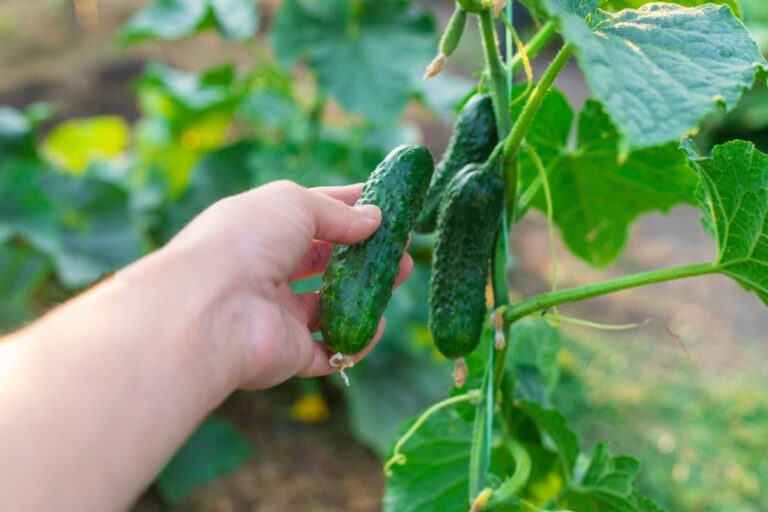
The first time Melissa picked a full basket of cucumbers, Eric was already outside. He casually counted as she placed each vegetable in the container. She joked about him acting like an accountant. He responded, “Just observing patterns.” The comment sounded harmless, but it made her self-conscious. She started harvesting less visibly after that.
Subtle Comparisons Start Emerging
Eric began mentioning numbers casually. “I got seven peppers this week,” he said one afternoon, waiting for her reaction. Melissa hadn’t been counting hers. Suddenly, she started paying attention. What was once about cooking dinner became about keeping up. The garden stopped feeling like it belonged only to her.
The Fence-Line Conversation Turns Competitive
One evening, Eric told her he thought his bean yield was “slightly ahead of hers.” Melissa laughed, unsure if he was serious. He wasn’t smiling when he said it. That was the first time she realized he genuinely saw this as a comparison. She walked back inside feeling oddly unsettled.
Melissa Starts Noticing Her Own Habits Changing
Without meaning to, Melissa began tracking her own harvests. She found herself writing numbers on sticky notes. She weighed tomatoes out of curiosity she didn’t previously have. The garden she once used to relax was now something she monitored. It didn’t feel healthy, but she couldn’t stop.
A Friendly Visit Feels Like a Report Session
Eric came over one Saturday with coffee and immediately asked about her weekly totals. He shared his own numbers without prompting. The conversation sounded more like a business meeting than a neighborly chat. Melissa realized they weren’t talking about gardening anymore. They were comparing outcomes.
A Community Group Gets Involved
At a neighborhood barbecue, Eric casually mentioned “yield differences across the block.” Other neighbors looked confused. Some laughed it off, but a few got curious. Soon, people began asking each other how much they were growing. What had been private suddenly felt public.
Pressure Builds Without Anyone Saying It Out Loud
Melissa noticed she was planting differently now. She chose vegetables based on productivity instead of preference. Even watering felt like part of a system she was being judged on. Eric never directly told her to compete, but the comparison was always there. That silence made it harder to step away.
A Misunderstood Record Sparks Tension
One afternoon, Melissa overheard Eric telling someone she was “falling behind in peppers.” She confronted him, saying she never agreed to any ranking system. He looked surprised and insisted it was “just for fun.” But Melissa didn’t feel like it was fun anymore. It felt like evaluation.
The Turning Point Conversation at the Fence
Melissa finally told Eric she didn’t want her garden tracked or compared. He defended himself, saying it helped motivate improvement. She replied that she didn’t need motivation, just peace. The conversation ended without resolution. For the first time, the fence between them felt real.
Other Neighbors Begin Taking Sides
Word of their disagreement spread through the neighborhood. Some people found Eric’s tracking amusing and even useful. Others agreed with Melissa that it had gone too far. The garden rivalry became a talking point at gatherings. No one expected vegetables to cause this much discussion.
Melissa Stops Sharing Her Harvest
After that, Melissa stopped discussing her yields entirely. She picked vegetables early in the morning when no one was watching. She avoided mentioning anything related to quantity. The garden slowly returned to being personal again. But she noticed Eric still writing in his notebook.
Eric Makes One Final Comment
One afternoon, Eric called over the fence and said, “You’re closing the gap.” Melissa didn’t respond. She simply walked back into her house. That was the moment she realized the competition only existed if she participated in it. And she decided she wouldn’t anymore.
The Garden Returns to What It Was Meant to Be
Over time, Melissa stopped counting altogether. She focused on cooking, sharing meals, and enjoying the plants again. Eric eventually stopped mentioning numbers as often. The notebook didn’t disappear, but it stopped mattering. The garden slowly became a hobby again instead of a scoreboard.
A Quiet Lesson About Comparison
By the end of the season, Melissa realized how easily something peaceful can turn competitive when measured. The vegetables hadn’t changed, only the way people looked at them had. And while the fence still separated two yards, it no longer separated two competitors. It just marked where one garden ended and another began.