Homeowner Says Her Garden Became a Cat’s Favorite Territory After Neighbors Kept Feeding Strays, Then One Unexpected Feline Started Solving the Problem
A person shared his story about moving into a home expecting the usual joys of gardening: flowers, vegetables, fresh air, and a quiet place to relax. Instead, the first year brought a parade of cats, rodents, raccoons, and an increasingly unpleasant smell along the garden fence. Every morning seemed to reveal another surprise buried beneath the mulch.
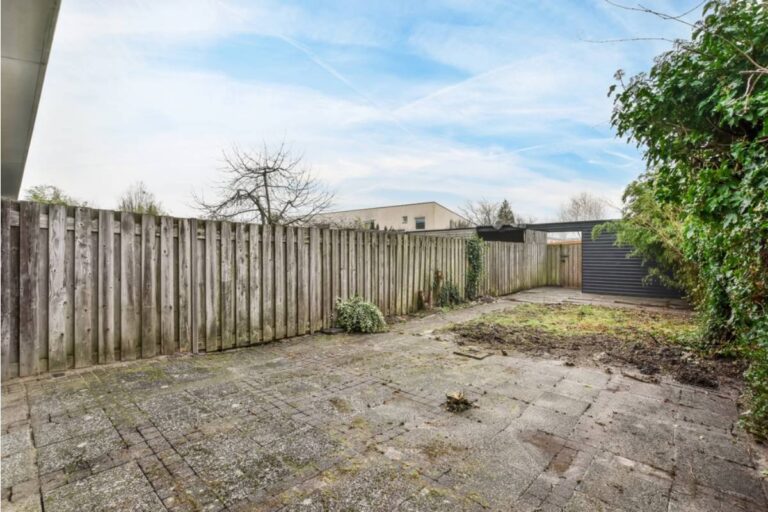
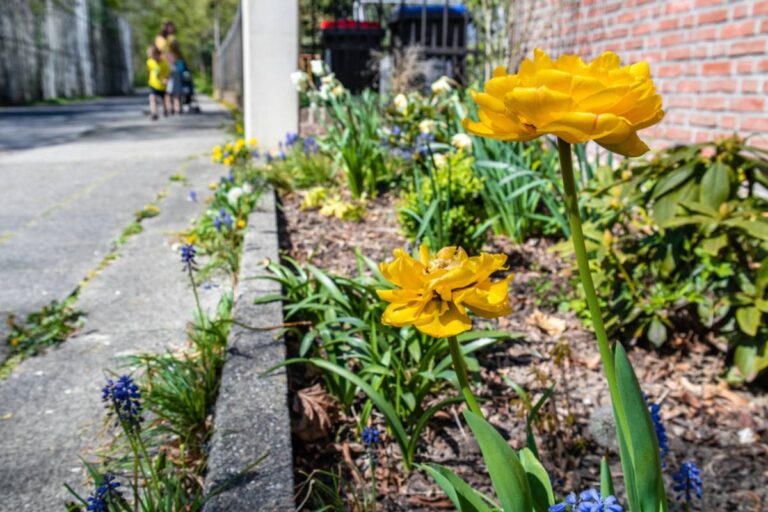
The garden had taken time and money to build, so watching cats treat the carefully prepared beds like a giant litter box was especially frustrating. Their owners appeared to feed cats regularly in both the front and back yards, creating what felt like an all-you-can-eat buffet for every animal in the neighborhood. Before long, the garden had become the unwilling center of an entire neighborhood ecosystem.
The Mysterious Midnight Buffet
The strangest part was that the neighbor insisted there were no cats. When the homeowner tried to politely explain that the outdoor feeding was attracting rodents, the conversation ended with the neighbor angrily declaring that his household had absolutely no cats. Yet the homeowner’s camera kept recording food being placed outside night after night.
It was difficult to argue with footage showing exactly what was happening. The food attracted cats, the cats attracted other animals, and the other animals seemed perfectly happy to visit the garden afterward. What began as somebody’s attempt to feed animals had quietly turned into a full-time neighborhood feeding station.
When the Garden Became a Litter Box
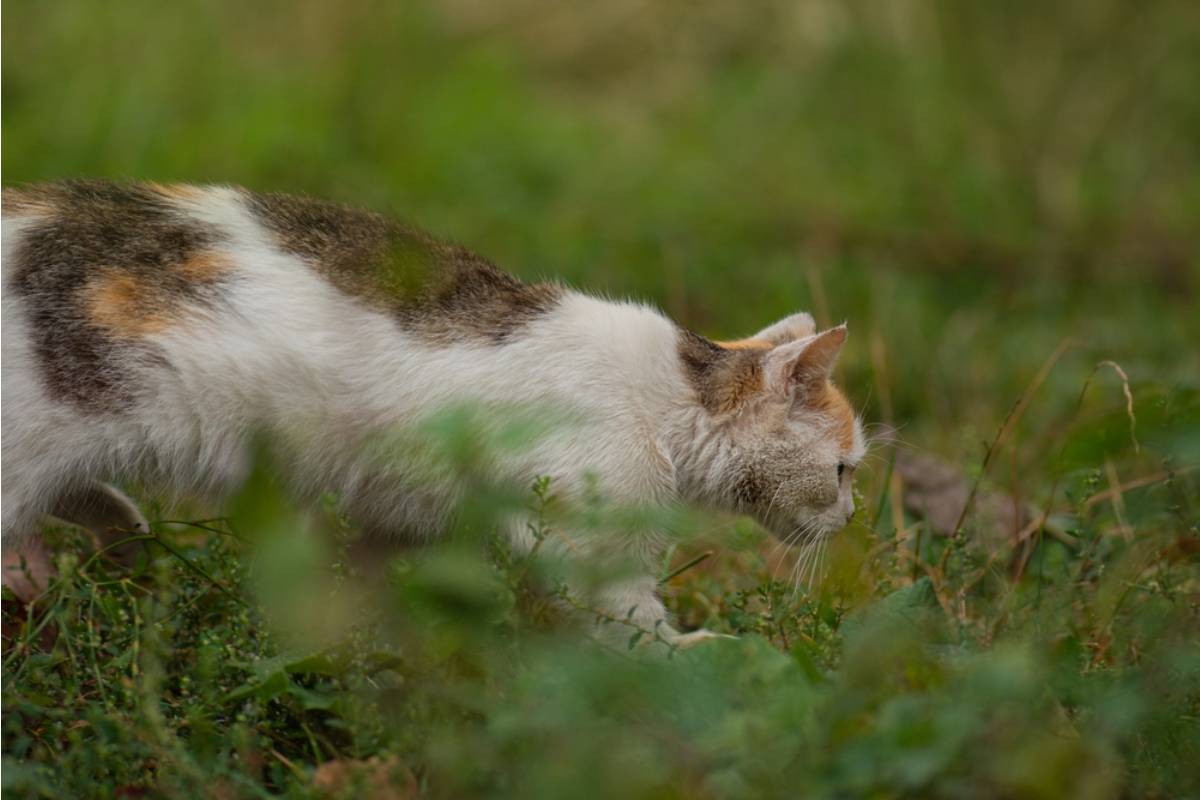
The cats eventually discovered that the garden beds were much more convenient than the neighbor’s own property. They crossed the fence, sprayed along the borders, dug into the mulch, and left unpleasant little packages between the plants. Sometimes they even stared directly at the homeowner before doing their business, as if they had officially claimed the garden.
The homeowner tried chicken wire, panels, sprays, and other deterrents, but the cats treated every new obstacle like a minor inconvenience. The worst part was not simply the smell; it was the fear that the family dog might dig up contaminated feces and eat it. A place meant for growing vegetables had become a minefield that required constant inspection.
Then the Rodents Arrived
The cat problem might have been tolerable by itself, but the outdoor food created another problem. Rats, mice, raccoons, and other animals began appearing around the properties, forcing the homeowner to bring in exterminators. Every solution seemed to create another problem somewhere else.
The homeowner even tried warning the neighbor because exterminators would be placing bait around the property. The idea was simple: if everyone stopped providing easy food sources, perhaps the rodents would stop treating the neighborhood like a restaurant. Instead, the warning produced an angry denial and absolutely no cooperation.
The Coyotes Were the Final Straw
Then the garden visitors became something much larger and more frightening. Coyotes started appearing in the yard, seemingly following the cats and their reliable food source through the neighborhood. For someone with a small dog, seeing coyotes become regular visitors transformed the situation from annoying to genuinely concerning.
A response from a person pointed out that the predator problem deserved attention alongside the cats and rodents. The reasoning was straightforward: a steady food source can attract a surprising chain of wildlife, and eventually the animals higher on that chain may arrive too. Suddenly, the garden was no longer just defending itself against paws and claws but sitting in the middle of a miniature food web.
The Sick Cat at the Fence
One of the cats eventually appeared to be seriously ill, with troubling discharge around its mouth and eyes. The homeowner contacted local animal services and a humane organization, hoping someone could intervene before the situation became worse. Eventually, one sick cat was trapped and removed.
Unfortunately, the local organization was already at capacity and could not take the remaining cats. Almost immediately after the sick animal disappeared, another cat was seen being ushered out of the neighbor’s house. It was beginning to look less like a temporary stray problem and more like an endless revolving door.
The Old Neighbors Had Seen It Before
The homeowner then discovered that the problem was not new. Neighbors who had lived there longer explained that cats had been appearing around the property for years, including three cats from an abandoned litter. According to their account, male cats were eventually tossed outside when they started spraying, while the females remained unfixed.
That detail explained why the population never seemed to stabilize. Every time one group disappeared, another seemed to appear behind it. The garden wasn’t dealing with one troublesome cat but with the consequences of years of uncontrolled breeding and abandonment.
One Response Suggested a Different Strategy
A response from a person suggested focusing less on the cats themselves and more on the conditions attracting them. Instead of repeatedly reporting individual animals, they recommended documenting the outdoor feeding, rodent activity, waste, and other problems for the appropriate local authorities. The homeowner already had camera footage, which could make the complaint much easier to document.
Another response suggested contacting organizations involved in trap-neuter-return programs. The idea was that sterilizing the cats could eventually reduce breeding and, importantly for the garden, reduce some of the territorial spraying associated with intact males. It was a slower solution than simply wishing the cats away, but at least it attacked the source of the problem.
The Surprisingly Effective Cat
Then came one of the strangest suggestions of all. A person shared his own experience and said that after trying motion sprinklers, scents, barriers, and other deterrents, he eventually began feeding one particular cat. Because cats are territorial, that cat apparently started treating the yard as its own kingdom.
The result sounded almost ridiculous: the homeowner had effectively hired a furry security guard. The resident cat chased away many of the other cats, leaving the garden dramatically quieter. As one response joked, it was basically like paying the neighborhood mob for protection.
Why the Usual Garden Tricks Failed
The homeowner had already tried many common approaches, including physical barriers and various smells that cats supposedly dislike. Some worked briefly, but the cats eventually learned where the unpleasant surprises were located. Once they figured out the garden’s boundaries, they simply adjusted their routes.
That was the frustrating lesson: animals can become remarkably good at solving garden obstacles. A spray may work for a few days, while a fence may simply become something to climb over. The cats weren’t following a gardening manual, so the homeowner had to keep changing strategies.
The Garden Became a Battlefield
Every new solution seemed to expose another problem. Keep the cats away and the rodents remained; address the rodents and the coyotes became more noticeable; protect the dog and the garden still smelled like a litter box. The homeowner was spending more time defending the yard than actually enjoying it.
A response from a person suggested documenting everything rather than relying only on verbal complaints. Photographs, dated camera footage, records of animal-control calls, and evidence of repeated feeding could show that this was an ongoing environmental problem rather than an isolated cat wandering through a flower bed. For a homeowner, the paper trail might eventually become just as valuable as the garden fence.
The Most Frustrating Contradiction
The neighbor’s denial became almost comical because the evidence kept appearing outside the house. He could insist that there were no cats, but the cameras showed food being placed outside, while cats continued crossing the property line. The garden itself provided plenty of evidence every morning.
That contradiction also made the situation more complicated. If the cats were supposedly nobody’s responsibility, then nobody was apparently willing to solve the consequences they created. The homeowner was left dealing with the spraying, digging, waste, rodents, and predators while the source of the problem continued operating next door.
A Garden Worth Protecting
Despite everything, the homeowner clearly did not want to hurt the animals. That became one of the most important details in the story, because several responses offered aggressive solutions while others focused on humane trapping, sterilization, and responsible management. The homeowner’s frustration was enormous, but the goal remained simple: reclaim the garden without harming the cats.
That distinction changed the possible solutions. Instead of turning the yard into a war zone, the homeowner could concentrate on documenting the nuisance, securing the garden, reducing attractants, and finding organizations capable of helping with sterilization. The garden needed protection, but the animals also needed a solution to the human-created problem that had put them there.
The Unexpected Twist
Then came the twist that made the whole situation strangely ironic. The homeowner’s biggest nuisance might eventually become part of the solution if one territorial cat established itself and naturally discouraged the others from entering. What began as an unwanted invasion could potentially end with one feline becoming the unofficial garden security guard.
For years, the neighbors had treated the outdoor space as if feeding animals solved everything. Instead, their nightly generosity had created a chain reaction involving cats, rodents, raccoons, coyotes, disease concerns, ruined garden beds, and increasingly frustrated neighbors. And in the end, the most surprising lesson was that the garden did not necessarily need another chemical, fence, or elaborate gadget—it needed someone to finally break the cycle that had been feeding the problem all along.