Gardener Says Her Insurance Company Dropped Her Coverage After Citing Her Backyard Pond as a “Liability,” Now She’s Searching for a New Provider
A quiet suburban homeowner in the United States found herself unexpectedly caught in an insurance dispute after years of routine coverage renewals. Her backyard pond, once a personal project meant to attract birds and create a peaceful space, suddenly became the center of a liability concern she had never heard before.
What began as a standard policy review turned into a cancellation notice that left her scrambling for alternatives. The reason given was the pond itself, described as an “attractive hazard.” Within weeks, her situation escalated from paperwork confusion to real financial and housing uncertainty.
The Pond That Took Years to Build
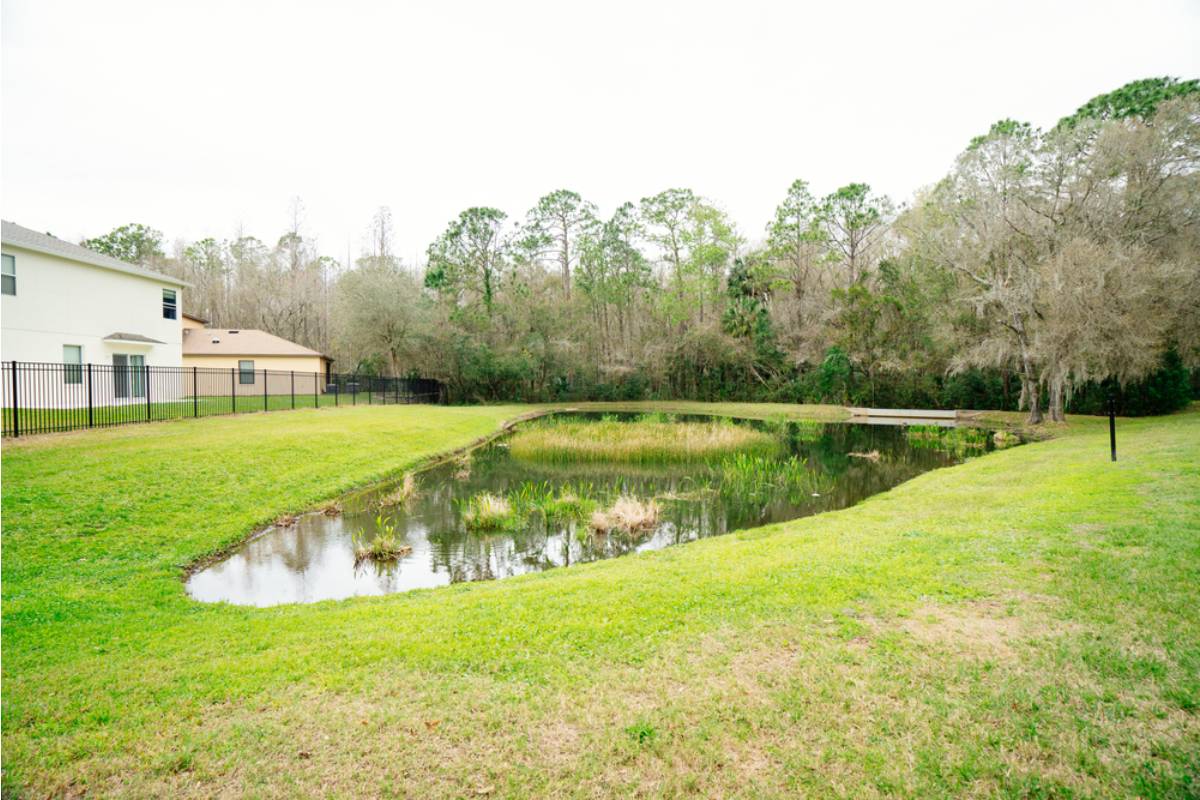
Megan Foster had built the backyard pond slowly over nearly a decade, adding stones, water plants, and a small filtration system she learned to maintain herself. It was never meant to be large or decorative in a commercial sense, only a quiet feature behind her home where she could sit after work. Neighbors often commented on the sound of water and the occasional frogs that appeared in summer. She never thought of it as anything risky, only as part of her daily routine. The idea that it could affect her insurance coverage had never crossed her mind.
The Routine Renewal That Felt Normal at First
When her insurance company sent the annual renewal documents, Megan expected the usual minor adjustments and policy updates. Everything looked standard until a follow up letter arrived asking for updated property details. The form included a question she had never seen before, asking whether there were any water features deeper than a certain threshold on the property. She checked yes and assumed it was a formality. A week later, she received a request for photographs of the pond for underwriting review.
The Inspection Call That Changed the Tone
An insurance adjuster scheduled a brief phone inspection and asked Megan to describe the pond in detail. She explained its depth, the filtration system, and the low stone border that surrounded it. The adjuster asked whether it had a fence or locking barrier. When she said no, there was a noticeable pause before the tone shifted. He said the company would need to escalate the case for risk review. Megan hung up thinking it was just procedure, not realizing it was the beginning of a larger issue.
The First Mention of Liability Risk
A formal letter arrived stating that the pond was classified as a potential liability due to accidental drowning risk. The wording felt clinical but carried serious implications for her coverage. The letter did not suggest immediate removal but stated the company would reassess her eligibility for continued homeowners insurance. Megan reread the paragraph several times, trying to connect it to her quiet backyard space. Nothing about the pond had ever caused an issue in nearly ten years. Still, the classification was now official.
Neighbors React With Confusion
When Megan mentioned the situation to a neighbor over the fence, she expected reassurance or shared disbelief. Instead, the neighbor admitted that their own insurance had once asked about water features as well. Another neighbor recalled being advised to install fencing around a small fountain years earlier. The conversation made Megan realize this was not an isolated policy change. It was part of a broader underwriting shift she had not been aware of. Still, no one expected cancellation over something so common.
The Cancellation Notice Arrives
Two weeks later, Megan received a letter stating that her policy would not be renewed due to “unmitigated property risk factors.” The pond was not mentioned by name in the headline, but it appeared clearly in the detailed explanation. The company stated that without safety modifications, they could not continue coverage under their current guidelines. Megan felt stunned reading it at her kitchen table. She had never filed a claim or experienced any issue with the property. Now she was suddenly considered too risky to insure.
The Call With Customer Service
Megan called the insurance company hoping for clarification or an appeal process. The representative explained that underwriting rules had been updated recently to reflect broader liability standards. When she asked if her long history with the company mattered, she was told it could not override current risk policies. The representative suggested she consult other providers that might accept water features with additional conditions. Megan wrote down the suggestions but felt increasingly discouraged. The conversation ended politely but without resolution.
Searching for a New Provider Begins
Megan contacted several other insurance companies only to hear similar concerns about backyard water features. Some asked for photographs, others requested proof of fencing or depth measurements. One company said they might consider coverage if she installed a locked barrier around the pond. That requirement felt excessive given the pond’s small size and location in a fenced yard. Each call added to her frustration as the pattern became clear. Her home was now being evaluated through a risk lens she had never encountered before.
A Contractor Offers a Possible Fix
A local contractor visited her property and suggested modifications that might satisfy insurance requirements. He recommended adding a mesh safety cover or low decorative fencing around the pond. Megan listened but felt conflicted about changing something she had built carefully over years. The contractor explained that insurers were becoming increasingly strict about open water features. Even decorative ponds were now being treated like pools in some policies. The solution felt more like compromise than improvement.
Community Discussion Gets Involved
Megan posted anonymously in a neighborhood group asking if others had experienced similar insurance issues. Responses came quickly, with several homeowners sharing stories of policy changes related to fire pits, trampolines, and ponds. Some had successfully appealed decisions, while others had been forced to modify or remove features entirely. The discussion made it clear that underwriting standards were shifting across the region. Megan was no longer alone in her situation, but that did not make her options easier.
A Temporary Gap in Coverage
While searching for a new insurer, Megan faced a short period where she had limited coverage options available. One provider offered a provisional policy with significantly higher requirements and inspections. She accepted it reluctantly, realizing she had little choice if she wanted continuous protection. The new terms required annual verification of the pond’s safety features. What had once been a personal garden feature was now a monitored risk element in her file. The change felt permanent even though it was technically temporary.
A Final Decision About the Pond
After weeks of uncertainty, Megan decided to install a low decorative barrier around the pond to meet insurance requirements. The contractor completed the work in a single afternoon, altering the appearance but not the function of the space. She stood by the water afterward, noticing how different it felt with the added structure. The insurance company confirmed her eligibility for continued coverage once the changes were documented. The situation was resolved on paper, but the experience left her questioning how private home spaces were being redefined.