Gardener Says She Started Growing Extra Vegetables for the Neighborhood, Then One Person Began Taking More Than Everyone Else Combined
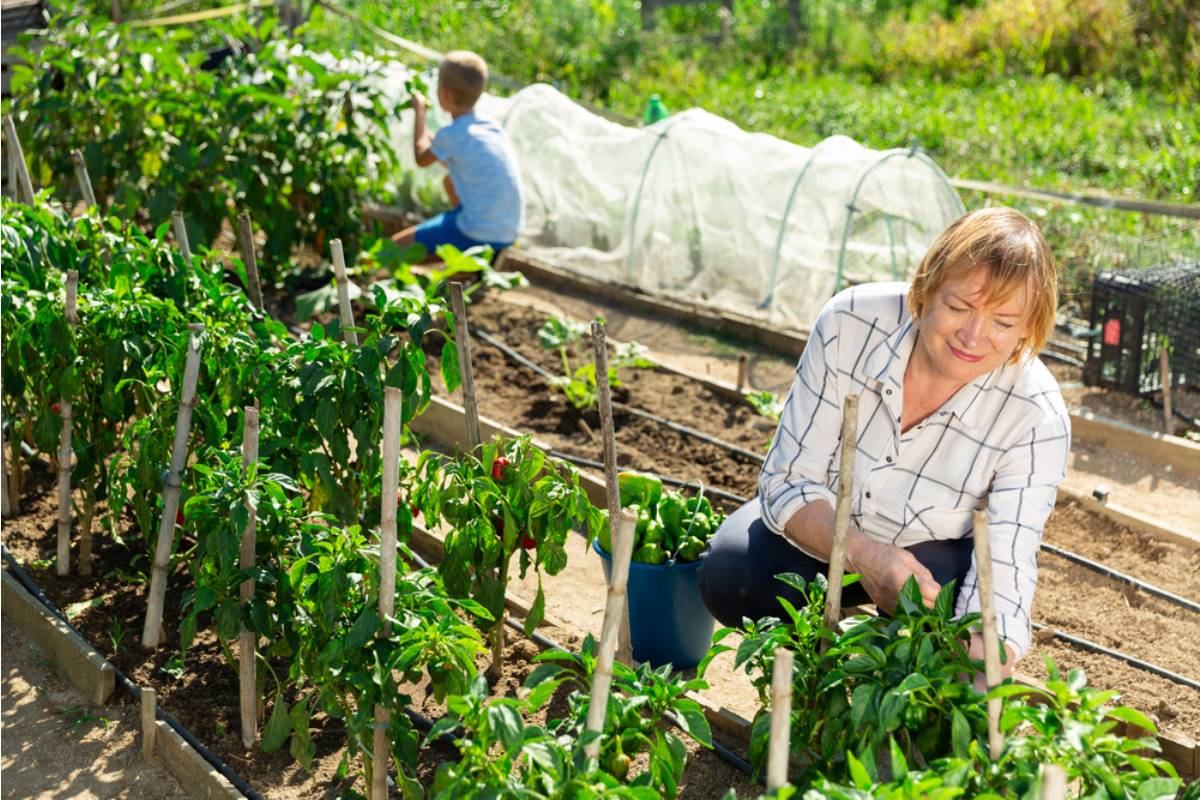
When Sharon Miller started her backyard vegetable garden in a suburban neighborhood in Georgia, she never imagined it would turn into a source of conflict. What began as a hobby quickly grew into rows of tomatoes, cucumbers, peppers, and squash that produced more than her family could ever eat. She began leaving extra baskets near her fence, inviting neighbors to take what they needed. For a while, it felt like a simple, friendly exchange. But then one neighbor started taking far more than anyone else—and everything changed.
The First Basket Left by the Fence
Sharon’s idea was simple. She placed a wicker basket by her driveway and filled it with extra produce after each harvest. She wrote a small handwritten note: “Please take what you need.” The first few days, neighbors took only a few items at a time. Sharon enjoyed seeing it empty slowly, thinking it brought the community together.
A Neighbor Starts Visiting Every Morning
After about a week, Sharon noticed Mr. Daniels from two houses down walking over early each morning. At first, she thought he was just an early riser enjoying the garden. But she soon realized he was filling a bag every time he passed. Still, she didn’t think much of it. There was plenty to go around, or so she believed.
The Basket Empties Faster Than Expected
Within days, the basket began emptying almost immediately after she refilled it. Sharon assumed more neighbors were participating. But when she checked the pattern, she noticed something unusual—most of the produce was being taken at once, not shared gradually. She started feeling confused but said nothing. She didn’t want to seem ungrateful.
A Casual Comment Raises Concerns
One afternoon, Sharon mentioned the garden to a neighbor across the street. The neighbor smiled but said she hadn’t actually gotten anything yet. That surprised Sharon. If others weren’t taking it, then who was? The question lingered in her mind longer than she expected.
A Morning Discovery Changes Everything
The next morning, Sharon decided to watch from her kitchen window. She saw Mr. Daniels arrive early, carrying a reusable grocery bag. He filled it quickly, moving through the basket with practiced efficiency. Within minutes, it was nearly empty again. Sharon stood frozen, unsure how to react.
A Gentle Conversation Turns Awkward
Later that day, Sharon approached him politely. She explained that the basket was meant for everyone. Mr. Daniels nodded and said he assumed it was fine since “no one else was really taking it.” Sharon explained that wasn’t true. The conversation ended with an uncomfortable silence and a vague promise to “be mindful.”
The Pattern Doesn’t Change
Despite the conversation, the next few days looked the same. Mr. Daniels continued taking large portions early in the morning. Other neighbors began noticing the basket was always empty before they had a chance to stop by. Sharon started feeling frustrated but hesitant to confront him again. She didn’t want to turn a kind gesture into a neighborhood dispute.
Neighbors Begin Asking Questions
One evening, a neighbor asked Sharon why she had stopped sharing produce. That caught her off guard. She explained that she hadn’t stopped at all. The neighbor said she had never seen anything left in weeks. Sharon realized the problem was bigger than she thought.
A Second Attempt to Set Boundaries
Sharon placed a small sign near the basket asking people to “please take only a few items so everyone can enjoy.” The next morning, the basket was still emptied almost immediately. The sign hadn’t changed anything. It almost felt like it had been ignored entirely.
A Neighbor Steps In
Another resident, Mrs. Patel, finally spoke up after noticing the pattern. She mentioned that she had seen Mr. Daniels leaving with multiple bags more than once. Sharon felt a mix of relief and frustration. She wasn’t imagining it after all. The issue was becoming visible to others.
A Direct Confrontation at the Fence
Sharon decided to speak to Mr. Daniels again, this time more directly. She explained that others were being left out. He seemed surprised and insisted he didn’t realize the impact. But when Sharon suggested limiting how much he took, his expression shifted. The conversation ended tensely, with no clear resolution.
The Basket Goes Empty One More Time
The next morning, Sharon checked the basket earlier than usual. It was already empty again. That moment made something clear to her—requests and signs weren’t enough. The system she had built on trust wasn’t working as intended. She stood there for a long time, feeling disappointed.
The Decision to Stop Sharing
After talking it over with her family, Sharon made a difficult decision. She stopped leaving produce in the basket altogether. Instead, she began offering vegetables directly to neighbors she knew personally. The communal setup she once loved was quietly dismantled. It didn’t feel good, but it felt necessary.
A Shift in Neighborhood Atmosphere
Word spread quickly that the shared basket was gone. Some neighbors were disappointed, others understood. A few blamed Mr. Daniels without saying it openly. Sharon noticed fewer casual interactions at her fence afterward. The atmosphere had subtly changed.
A New Understanding of Boundaries
In time, Sharon continued gardening, but on her own terms. She still shared produce, but now it was intentional and limited. The experience had changed how she viewed generosity and trust. What once felt like a simple act of sharing had revealed how quickly imbalance can disrupt goodwill. And in the end, her garden remained full—but the basket by the fence did not return.