Gardener Says She Discovered Her Neighbor Has Been Taking Photos of Her Garden Signage With Pricing for a Plant Sale, Then Undercutting Her by a Dollar on Every Single Item Listed the Next Day
Selling plants had never been my full time job. It started as a hobby after years of propagating extra perennials, herbs, and native flowers that no longer fit in my own garden. Friends encouraged me to hold a small weekend plant sale each spring because I always had more healthy plants than I could use.
Over time, neighbors began looking forward to it, and many returned year after year because they trusted the quality of what I grew. I spent months preparing every sale, labeling each variety by hand, and caring for every plant until it was ready for a new home. I never imagined someone living just a few houses away would turn my own hard work into a strategy for competing against me.
A Tradition That Grew Every Season
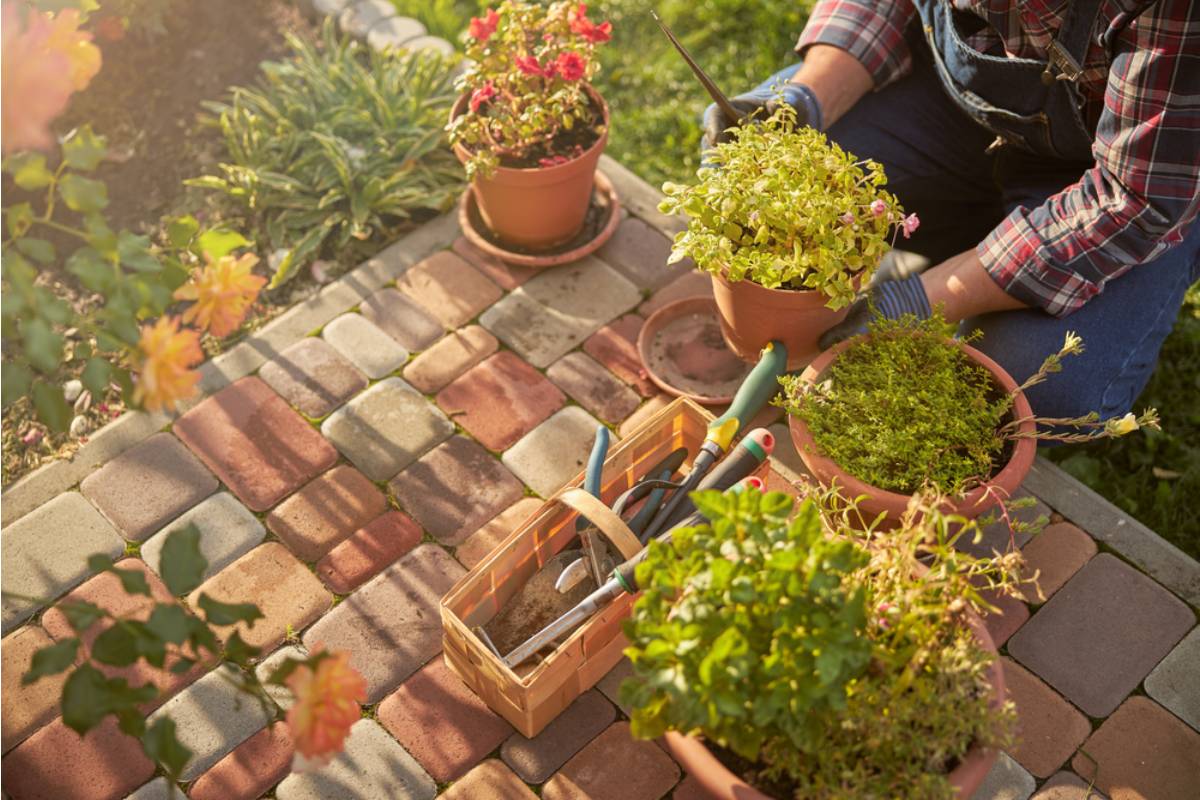
Each spring followed the same familiar routine. I cleaned pots, divided mature plants, printed care instructions, and organized everything by sunlight requirements.
Returning customers appreciated knowing exactly what they were buying. Many even brought photos showing how plants purchased the previous year had flourished in their gardens.
Those conversations made the long hours worthwhile.
A New Seller Appears Nearby
One year a new neighbor named Lisa moved into the subdivision. She quickly became interested in gardening and often stopped to admire the plants growing in my yard.
She asked plenty of questions about propagation and seemed eager to learn. I happily shared general advice because gardening has always felt like a community rather than a competition.
At least that was what I believed then.
A Strange Coincidence
The first odd thing happened after my annual sale. Lisa announced her own driveway plant sale the following weekend.
There was nothing unusual about that by itself. What caught my attention was how every price on her tables happened to be exactly one dollar lower than mine had been.
At first I dismissed it as coincidence.
The Pattern Repeats
The following month I hosted another small sale featuring herbs and pollinator friendly flowers. Once again Lisa held her own event the very next day.
Once again every listed price came in exactly one dollar below mine. It did not matter whether the plant was basil, coneflower, lavender, or hosta.
The consistency made coincidence much harder to believe.
Watching More Carefully
Before my next sale, I arranged signs throughout the yard listing prices for every plant category. The evening before opening, I happened to glance outside while watering.
Lisa was standing near the sidewalk holding her phone toward my signs. At first I assumed she was taking pictures of the flowers.
Then I noticed she carefully photographed every pricing sign before leaving.
Confirming My Suspicion
The next morning I visited Lisa’s sale after mine had closed for the day. Her handwritten signs matched my prices almost perfectly.
The only difference was that every number had been reduced by exactly one dollar. Even the uncommon plant groupings appeared in the same order as mine.
It felt less like independent pricing and more like copying homework.
Customers Begin Asking Questions
Several regular customers mentioned the competing sale without realizing what had been happening. One woman wondered why my prices were always slightly higher than Lisa’s.
I explained that I had no control over another seller’s decisions. Even saying those words felt frustrating because I knew how much planning went into setting fair prices.
Still, I refused to criticize Lisa publicly.
An Unexpected Witness
A retired mail carrier who lived across the street approached me after one sale. He quietly mentioned seeing Lisa photographing my signs several times over the previous few months.
He assumed she had asked permission because the pictures were so deliberate. When I explained she had not, he looked genuinely surprised.
His observation confirmed I had not imagined what I saw.
Trying a Different Approach
Instead of confronting Lisa immediately, I changed how I displayed prices. The evening before my next sale, I left blank decorative signs in place without listing any numbers.
Actual prices stayed inside until opening time the following morning. Lisa still walked past with her phone that evening, pausing in front of every blank sign.
Watching her photograph empty boards told me everything I needed to know.
The Plan Falls Apart
Because the prices were unavailable the night before, Lisa had no chance to prepare matching signs. The following day she delayed opening her own sale until the afternoon.
By then many returning customers had already purchased the plants they wanted from me. Several later told me they had visited Lisa’s sale out of curiosity and noticed prices seemed randomly chosen instead of following her usual pattern.
For the first time, her strategy had not worked.
A Conversation Across the Fence
That evening I finally walked over to Lisa’s house. I calmly asked why she had been photographing my pricing signs.
She looked startled before insisting she only wanted ideas for organizing her sale. When I mentioned the repeated one dollar price difference, she became noticeably quiet.
After several long seconds, she admitted she believed slightly lower prices were the easiest way to attract buyers.
What She Had Overlooked
I explained that customers returned to my sales because of healthy plants, honest advice, and years of trust, not because every item cost the least amount possible.
Many buyers asked questions for twenty minutes before choosing a single perennial. Others came specifically because I remembered what they had planted the previous season.
Those relationships could never be copied with a camera.
She listened without interrupting.
An Unexpected Twist
The following weekend Lisa surprised everyone by changing her approach completely. Instead of focusing on prices, she labeled each plant with detailed care instructions and information about where it had been grown.
She even encouraged customers to visit my sale if she did not have a particular variety available. I returned the kindness by sending people her way whenever she carried something I did not.
Slowly, the atmosphere shifted from rivalry to cooperation.
Building a Better Reputation
Over the rest of the season we discovered something surprising. Instead of competing against one another, holding sales on different weekends actually attracted more gardeners to the neighborhood.
Visitors often stopped at both houses, enjoying the larger combined selection. Local gardening clubs even started mentioning our street as a good place to find healthy homegrown plants.
Both of us ended up selling more than we had before.
A Lesson Worth More Than Any Price Tag
Months later Lisa admitted she had been afraid nobody would buy from a first time seller. Copying my prices had seemed like the safest way to compete, even though she knew it was unfair.
She apologized for taking photographs without asking and for treating my work as something she could simply duplicate overnight. I accepted because her actions had genuinely changed.
Looking back, I realized customers notice much more than price tags. They recognize honesty, experience, and genuine passion. Those qualities cannot be undercut by a single dollar, and they certainly cannot be captured in a photograph of someone else’s sign.