Gardener Says a Neighbor’s Dog Walker Lets Multiple Dogs Cut Through Her Yard as a Daily Shortcut
For nearly ten years, Natalie had poured countless weekends into transforming the front yard of her corner home into a thriving garden filled with flowers, native plants, and carefully edged pathways. Neighbors often slowed down during evening walks to admire the colorful blooms, and many stopped to ask for gardening tips.
She never imagined the biggest threat to everything she had built would come from a route people considered convenient. It started with one unfamiliar dog crossing the lawn and quickly became a pattern that affected the entire garden. By the time Natalie understood what was happening, the damage had spread far beyond a few trampled flowers.
Fresh Paw Prints Appeared Every Morning
Natalie noticed muddy paw prints weaving through the mulch after watering one evening. At first she assumed a neighborhood pet had wandered loose during the night. The next morning, the prints returned in almost the exact same places. A few young plants had been flattened near the edge of the flower bed. She brushed it off as bad luck, believing it would not happen again.
The Shortcut Became Obvious
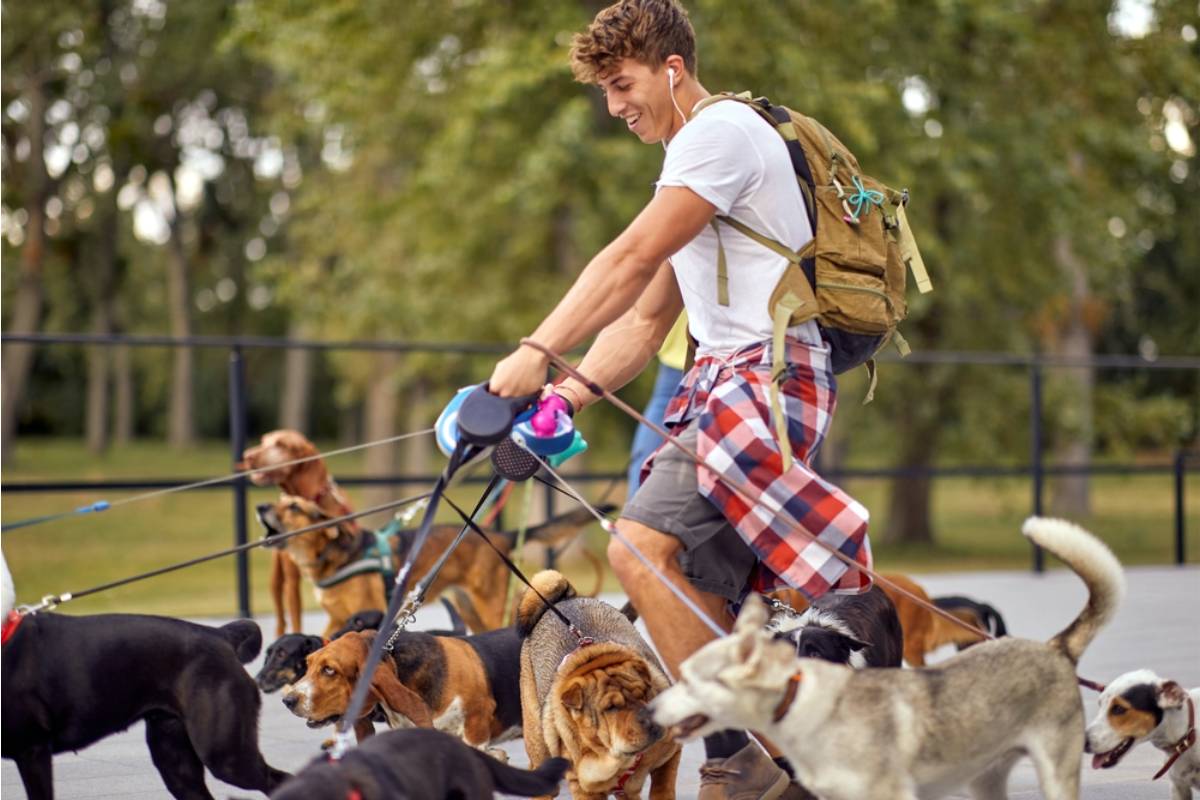
While working from home one afternoon, Natalie looked out the front window and spotted a professional dog walker leading six dogs across her lawn instead of staying on the sidewalk. The dogs spread out as they crossed the garden border, sniffing flowers and stepping through newly planted ground cover. Before Natalie reached the front door, they were already halfway down the block. She stood in disbelief, wondering how often this had happened without her noticing.
The Damage Started Adding Up
Over the next week, Natalie found broken stems, disturbed mulch, and several crushed perennials. Small holes appeared where curious dogs had dug for only a few seconds before moving on. The stepping stones she had carefully positioned shifted farther into the soil. Her front garden no longer looked as tidy as it had only days earlier. Every repair seemed to disappear after another group of dogs passed through.
A Polite Request Was Ignored
Natalie waited outside the next afternoon and greeted the dog walker with a smile. She calmly explained that the yard was private property and asked if the dogs could stay on the public sidewalk instead. The dog walker apologized briefly but said the shortcut saved time because it avoided a busy intersection. Before Natalie could respond, the group continued walking across the grass. The conversation left her more frustrated than before.
The Neighborhood Began Noticing
Several neighbors commented that they had seen groups of dogs crossing the same yard almost every day. One elderly couple admitted they assumed Natalie had given permission because it happened so regularly. Another neighbor recalled seeing dogs stop to sniff vegetables growing near the walkway. Natalie realized the shortcut had become part of the dog walker’s routine. That made the situation much harder to ignore.
The Children’s Garden Paid the Price
A section of the yard had been planted specifically for neighborhood children to learn about butterflies and pollinators. One afternoon, Natalie discovered several educational plant markers knocked over and a patch of milkweed flattened by running dogs. The children asked why their favorite corner looked different during the next weekend gardening activity. Natalie struggled to explain without sounding angry. That moment affected her more than the damaged flowers.
A Camera Captured the Full Story
Wanting to understand how often it happened, Natalie installed a small security camera facing the front garden. Within days, she watched multiple recordings showing the same dog walker crossing the property every weekday. Sometimes the dogs stayed together, while other times they wandered into flower beds before being redirected. The recordings answered every question Natalie had been asking herself. The shortcut was far more frequent than she had imagined.
An Unexpected Visitor Changed the Conversation
One afternoon, the owner of one of the dogs happened to arrive early for pickup and noticed Natalie speaking with the walker. After hearing what had been happening, the owner looked genuinely surprised. She explained she had always assumed the walks followed neighborhood sidewalks and public paths. Natalie showed a few still images from the recordings. The owner’s expression changed immediately.
Other Pet Owners Wanted Answers
As word spread, several dog owners contacted the walker to ask about the route being used. Most had no idea their pets were crossing private lawns every day. A few apologized directly to Natalie even though they had never stepped onto her property themselves. The discussion shifted from defending the shortcut to finding a better one. Suddenly, Natalie was no longer the only person asking questions.
A New Route Solved More Than One Problem
The dog walker eventually mapped out a different path using sidewalks, a nearby walking trail, and a small public green space. Although it added a few extra minutes to each outing, the dogs had more room to explore without entering private yards. Several pet owners actually preferred the updated route after hearing about it. The adjustment benefited everyone involved. Natalie finally noticed quiet afternoons returning to her garden.
The Garden Slowly Recovered
Fresh mulch replaced the worn paths, flowers began filling in damaged spaces, and the butterfly garden attracted visitors once again. Children helped replant the milkweed and proudly watched monarch butterflies return later in the season. Neighbors complimented the restored landscape during evening walks. Natalie smiled because the compliments felt earned after weeks of uncertainty. The yard finally reflected the care she had invested in it.
Respect Became the Best Boundary
Months later, Natalie often saw the same dogs passing her house, but now they remained happily on the sidewalk with their walker. The dogs still paused to admire the flowers from a distance while neighbors waved as they walked by. There was no lingering hostility, only a better understanding of where public paths ended and private gardens began. Looking across the healthy flower beds, Natalie realized the biggest improvement had not been the restored plants. It was knowing that a simple conversation, supported by patience and clear evidence, had helped the entire neighborhood treat one another’s spaces with greater respect.