Homeowner Says Her Neighbor’s New Patio Drainage Pipe Empties Directly Into Her Flower Bed Every Time It Rains, Now Nothing Will Take Root There
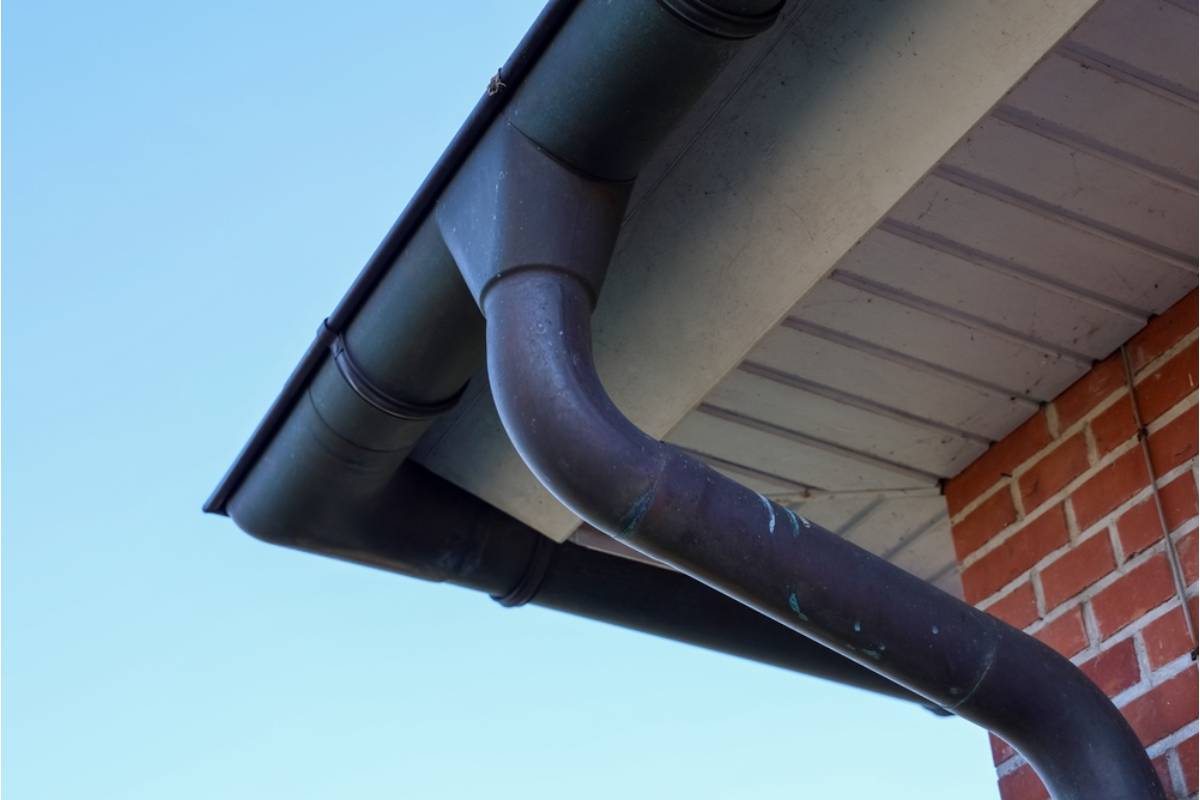
A homeowner had spent years shaping the small flower bed along the side of her house into something she was genuinely proud of. It was not extravagant, but it had a rhythm of seasonal blooms that made the narrow strip feel alive. Everything changed after her next-door neighbor began a patio renovation that included a new drainage setup along the shared property line. At first, she did not think much of the black pipe sticking out near the gravel base of the neighbor’s yard. That changed the first time a heavy rain rolled through and she saw where that water was going.
The First Signs After the Storm
The morning after the rain, she stepped outside expecting the usual damp soil and fresh scent of wet leaves. Instead, she noticed a steady trickle of water continuing long after the storm had passed. The stream was coming from a black pipe that ended just inches from her flower bed. It was carving a narrow groove through the mulch like a tiny channel. She stood there longer than she meant to, watching soil shift in places it should have stayed firm.
A Channel Cut Through the Mulch
By midday, the small stream had turned into a clear rut that ran straight into the center of her planting area. Petunias near the edge were already leaning unnaturally, their roots exposed. She tried to patch the area with fresh mulch, but the water kept cutting through it like it was nothing. The ground had started to feel unstable under her shoes. It was the first moment she realized this was not going to fix itself.
Knocking on the Neighbor’s Door
She crossed the narrow strip between their homes and knocked on his front door without much hesitation. When he opened it, he looked surprised but not concerned. She explained what the pipe was doing and pointed toward her yard, trying to keep her tone steady. He glanced over her shoulder, shrugged slightly, and said it was standard drainage for his new patio. The conversation ended with him suggesting it would probably settle once everything was finished.
The Builder’s Confident Explanation
Later that afternoon, she caught the contractor loading tools into a truck. She asked him directly about the water flow. He explained that the slope was designed to prevent pooling on the patio surface. He said the outlet had been placed according to plan and would disperse naturally. His confidence did not match what she was watching happen just a few feet away in her garden.
A Second Rain Changes Everything
The next storm arrived sooner than expected and with more intensity. She stood at her kitchen window watching water pour out of the pipe like a constant stream. This time it did not trickle, it surged. The flower bed turned muddy within minutes, and plants began leaning in different directions. When the rain stopped, the damage looked worse than before, as if the soil had been reshaped entirely.
Taking Photos and Calling the HOA
She started documenting everything with her phone, taking photos from multiple angles. The erosion pattern was now clearly visible, cutting deeper each time. She sent the images to the neighborhood association and explained the situation in detail. Within hours, she received a response saying they would review it and follow up. That did not stop the water from continuing to reshape her yard.
The HOA Walkthrough
A representative arrived two days later and walked the boundary line with both homeowners present. The neighbor insisted everything was within guidelines. The representative crouched near the pipe and watched water flow directly into the soil. There was a long pause before any comment was made. He finally said the situation might require further inspection beyond what they could see on the surface.
A Closer Look at the Property Line
Markers were placed along the edge to confirm the exact boundary between the two yards. It turned out the drainage outlet was extremely close to the dividing line. In some sections, it appeared to be directing water toward the lowest point, which happened to be her flower bed. The realization shifted the tone of the entire conversation. What had seemed like a neighbor issue was starting to look like a placement problem.
The City Inspector Gets Involved
A city inspector was called in to evaluate the installation. He spent time examining the slope, the pipe angle, and the surrounding soil. He asked for the original installation plan, which the contractor provided. After comparing it with the actual setup, he noted inconsistencies between the design and execution. The inspection was not dramatic, but it was enough to change the direction of the discussion.
A Surprise in the Permit Records
When the paperwork was reviewed more closely, something unexpected appeared. The drainage system had been approved, but only under the condition that runoff be directed into a designated drainage channel. That channel was never actually installed. Instead, the pipe simply ended at ground level. The missing component explained why the water had nowhere else to go. The responsibility suddenly became harder to dispute.
The Confrontation at the Driveway
The three of them met again near the driveway where the pipe discharge was clearly visible. The neighbor tried to argue that the system still functioned as intended. The inspector calmly pointed out that approval conditions had not been met. Voices stayed controlled, but the frustration was obvious. The homeowner said nothing for most of the exchange, only watching the water continue to run when tested again.
A Temporary Fix That Fails Again
The contractor returned with a quick adjustment, extending the pipe with a short attachment aimed toward a gravel strip. For a brief moment, it seemed like it might redirect the flow properly. Then the next rainfall proved otherwise. The water still found its way back toward the flower bed, seeping under the edge of the gravel. The issue was not just direction, but volume and placement.
The Final Adjustment to the Drainage
A more permanent solution was eventually installed after several revisions. This time, the runoff was routed into a proper drainage channel that carried water away from both properties. The change did not restore the flower bed immediately, but it stopped further damage. Over time, she began replanting, carefully testing which areas had recovered. The tension between the neighbors eased, replaced by a quiet understanding that a small oversight had caused a surprisingly large problem.