Some Home Gardeners Are Skipping Store-Bought Soil Entirely and Building Their Own Mix From Scratch, And the Results Are Surprising Longtime Growers
A small group of home gardeners in a North Carolina suburban neighborhood started experimenting with something novel: they started creating their own unique soil mixes from raw materials rather than purchasing packaged soil from garden centers. What began as a cost saving experiment quickly turned into a shared curiosity among neighbors who compared results across yards.
Some expected it to fail or produce inconsistent growth, but the early results were surprisingly strong. Within one season, the experiment started drawing attention from experienced gardeners nearby. What followed was a gradual shift in how people on the street thought about growing food at home.
The first backyard experiment begins
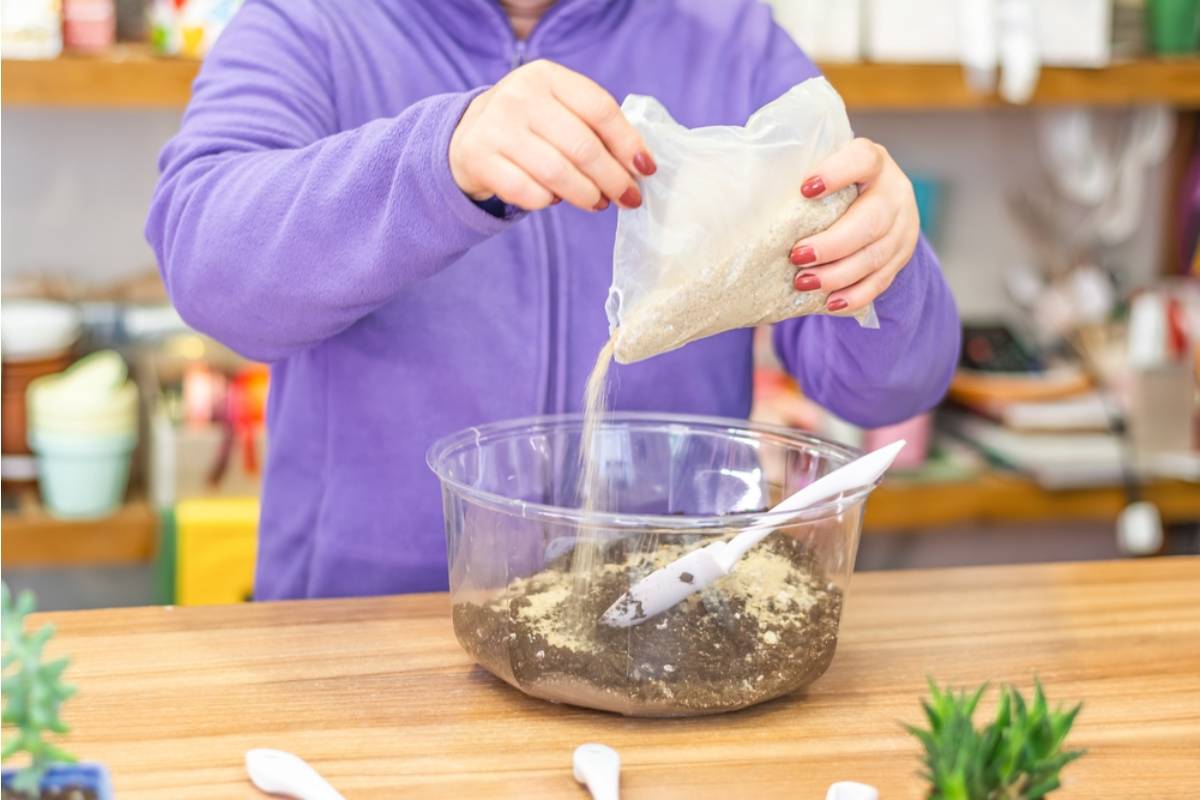
It started with Ethan, who was frustrated with store bought soil that seemed inconsistent every year. He began mixing compost from kitchen scraps, shredded leaves, and locally sourced sand in a large bin behind his garage. His goal was to create a balanced soil that retained moisture without becoming compacted. He tested it first in a few tomato containers just to see how it would behave. Within weeks, those plants looked stronger than anything he had grown before.
A neighbor notices unusual plant growth
Across the fence, Maria noticed that Ethan’s tomato plants were growing faster and fuller than her own, even though they were planted at the same time. She assumed he had used a stronger fertilizer or purchased premium soil. When she asked him about it, he simply said he had built his own mix from scratch. That explanation surprised her because she had always relied on bagged soil from garden centers. It made her curious enough to try something similar.
The second gardener joins the experiment
Maria started experimenting with her own soil blend using compost, mulch, and garden clippings. She kept detailed notes about texture, drainage, and plant response. Her first batch went into a row of peppers that had struggled the previous year. Within a month, the plants showed noticeably healthier leaves and stronger stems. She shared her results with Ethan, and the experiment began expanding informally across the neighborhood.
Skepticism from experienced gardeners
Not everyone was convinced by what was happening. An older gardener named Harold, who had been growing vegetables for decades, questioned whether homemade soil could really be consistent. He warned that nutrient balance was difficult to control without commercial blends. Still, even he admitted that the early results looked impressive. He decided to test a small batch in one corner of his own garden. The results surprised him more than he expected.
A comparison that changes opinions
By mid season, three neighbors were growing similar crops using different soil sources. The differences were easy to see during casual backyard visits. Plants grown in the homemade mixes appeared more resilient during hot spells and required less frequent watering. Harold noticed that even his experimental section was outperforming parts of his traditional garden. That observation started shifting his skepticism into curiosity.
The garden walk that draws attention
Word spread through the neighborhood, and a small informal garden walk was organized one weekend. People compared raised beds, container plants, and soil textures by hand. Ethan explained how layering compost and local organic matter created a more adaptable growing medium. Some visitors were skeptical but intrigued by the visible results. Others started planning their own soil mixing stations at home.
A surprising pest resistance effect
One unexpected finding was that plants grown in homemade soil seemed less affected by certain pests. Maria noticed fewer aphid issues in her pepper plants compared to previous years. Ethan suggested that healthier root systems might be strengthening overall plant resilience. While not scientifically confirmed, the pattern appeared across multiple gardens. This added another layer of interest to the experiment.
A local garden supply store responds
A nearby garden center owner noticed a slight drop in sales of packaged soil products among regular customers. When asked about it, he acknowledged that more people were trying DIY soil mixes. He warned that inconsistent recipes could still cause long term issues if not monitored properly. However, he also admitted that some customers were reporting strong results. The trend was becoming harder to ignore.
A failed batch creates tension
Not every experiment succeeded. One neighbor created a soil mix that held too much moisture and caused root rot in several plants. This led to a temporary setback in enthusiasm, especially for beginners. Ethan reminded everyone that trial and error was part of the process. The group adjusted their methods and started sharing more detailed ratios and techniques.
Knowledge starts circulating informally
As more people experimented, a shared notebook began circulating between gardens. It contained observations about compost ratios, drainage behavior, and plant responses. Maria added notes about pepper performance, while Harold contributed warnings about overcompacting soil. The collaborative approach helped reduce mistakes. It also built a sense of quiet community learning.
A surprising harvest season
By harvest time, several gardens showed stronger yields than previous years. Tomatoes were larger, herbs more aromatic, and root vegetables more consistent in shape. Even skeptics admitted that something about the homemade soil approach was working better than expected. Ethan described it as “understanding the ground instead of just buying it.” The results encouraged more people to continue experimenting the following year.
The shift that stayed after the experiment
Even after the season ended, most of the participants did not go back to fully store bought soil. Instead, they combined both approaches, blending commercial soil with their own mixes. The experiment had changed how they viewed gardening inputs altogether. What started as a cost saving idea turned into a long term shift in practice. In the neighborhood, soil was no longer something you simply bought, but something you learned to build.