Homeowner Says Her Neighbor Called Her Vegetable Garden Trashy for Four Years Running, Then Asked Her to Cater His Garden Party With Her Homegrown Produce the Moment a Food Blogger Featured It
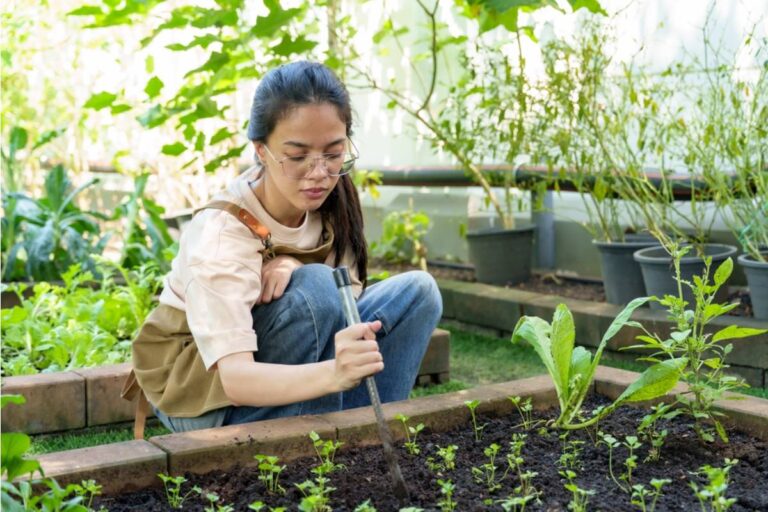
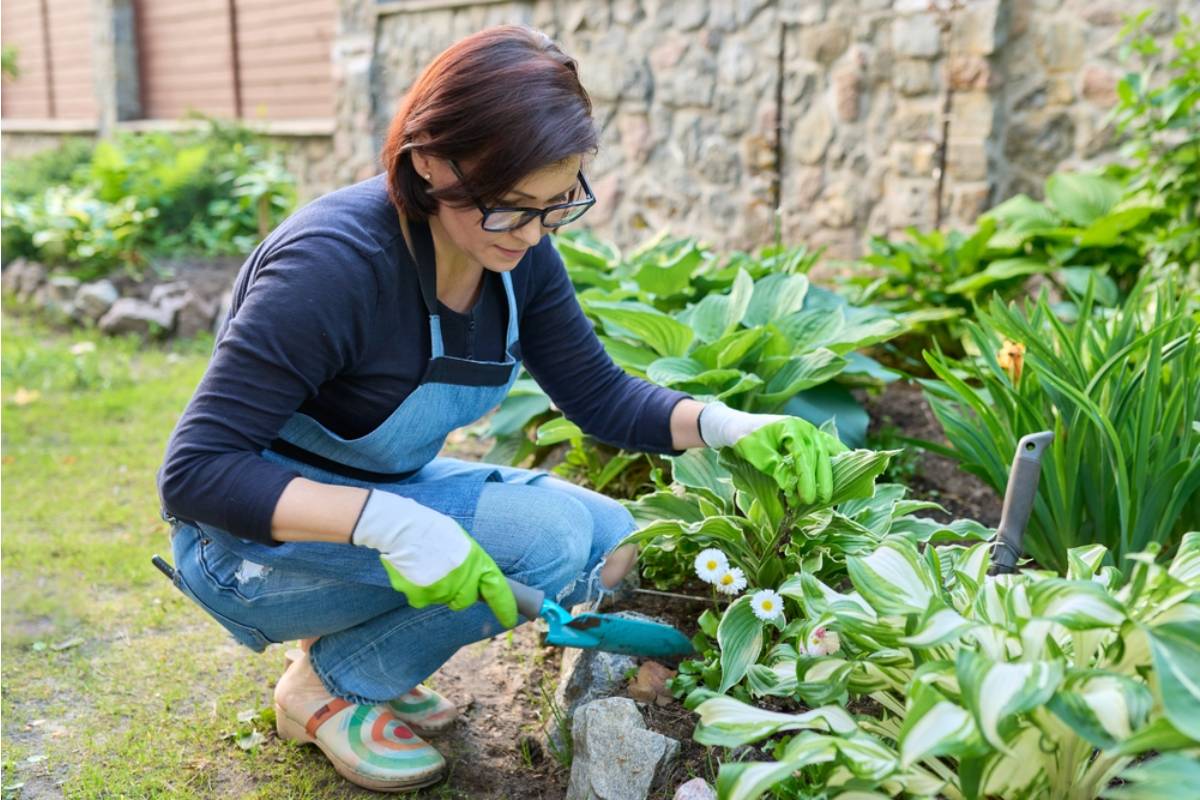
When I bought my house, the backyard was nothing more than patchy grass and a cracked concrete patio. Instead of installing a pool or building a fancy outdoor kitchen, I decided to turn most of the space into raised vegetable beds.
Friends thought I was taking on too much work, but gardening had always been my favorite way to relax after long weeks at the office. I grew tomatoes, peppers, beans, squash, herbs, and every kind of leafy green I could fit into the available space.
The garden slowly became part of my daily routine, even if not everyone appreciated what it looked like.
The Criticism Started Almost Immediately
The first spring after I finished building the raised beds, my neighbor Richard leaned over the fence while I was spreading mulch. He glanced around the yard and laughed before saying it looked more like a small farm than a suburban backyard. I smiled politely because I assumed he was joking.
A few days later he repeated the same opinion while talking with another neighbor. This time he called the garden messy and said neighborhoods looked better with lawns instead of vegetables. I ignored the comment, believing he would eventually lose interest.
Every Growing Season Brought Another Remark
Unfortunately, the comments never stopped. Whenever tomatoes climbed their supports or squash vines spread across the beds, Richard found another reason to complain. He claimed the garden attracted insects, looked cluttered, and ruined the appearance of the neighborhood.
The strange part was that none of the other neighbors shared his opinion. Many actually stopped to ask gardening questions or compliment the harvest. Richard always seemed to wait until those conversations ended before making another sarcastic remark.
Sharing Harvests Became a Tradition
Despite Richard’s attitude, I enjoyed giving extra vegetables to anyone who wanted them. Families with young children often stopped by for fresh cherry tomatoes, and an elderly couple down the street loved my herbs because they no longer maintained a large garden of their own.
The simple exchanges helped neighbors get to know one another. Recipes were traded over fences, seedlings were shared every spring, and people started comparing harvests instead of competing over perfect lawns.
One Invitation Never Came
Every summer Richard hosted a garden party with expensive decorations, catered food, and carefully arranged flowers. Nearly everyone on the street received an invitation except me. I never mentioned it because people are free to invite whoever they want into their home.
Still, it became obvious that my garden had become part of his jokes. Friends later admitted they had heard him describe my backyard as “the neighborhood produce aisle.” They laughed politely at the time, but several said the comments always made them uncomfortable.
A Visitor With a Camera Changed Everything
One weekend a local food blogger visited after another gardener recommended my backyard. She spent nearly two hours photographing vegetables, tasting herbs, and asking why I chose to grow so many different varieties.
Instead of focusing only on the produce, she highlighted how the garden brought neighbors together through shared harvests and seasonal recipes. I appreciated that she understood the garden was about community as much as vegetables.
The Article Spread Faster Than Expected
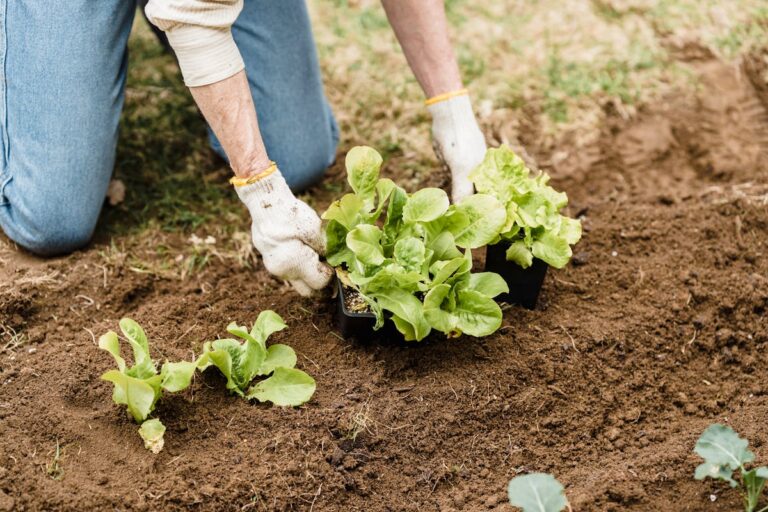
Within days, people from nearby towns began recognizing the garden. Several readers asked whether they could visit during the annual neighborhood garden walk. Others wanted advice on building raised beds or growing vegetables in small spaces.
Friends began texting screenshots of the article with excited messages. Even local gardening groups shared it online. Suddenly, the backyard Richard had mocked for years was being praised by complete strangers.
Richard Suddenly Became Friendly
Only a few days after the article appeared, Richard knocked on my front door carrying a smile I had never seen before. He complimented the garden, called it impressive, and said he had always admired how much work I put into it.
The sudden change caught me completely off guard. For four years I had never heard him say a single positive thing about the garden. Now he spoke as though we had always supported each other’s hobbies.
An Unexpected Request
After a few minutes of compliments, Richard finally explained why he had stopped by. He planned to host another large garden party and wanted a fresh farm to table menu.
Then he asked whether I would provide vegetables from my garden for the event.
He described colorful salads, roasted vegetables, herb platters, and decorative baskets filled with my produce. Listening to him speak, it sounded as though my garden had suddenly become the centerpiece of his celebration.
Memories Came Flooding Back
Before answering, I remembered years of sarcastic comments drifting over the fence. I remembered being left out of every party while hearing laughter from the neighboring yard. Most of all, I remembered standing among my tomato plants while Richard told visitors the garden made the neighborhood look untidy.
Those memories did not disappear simply because someone had read a flattering article online. Respect offered only after public recognition felt very different from genuine kindness.
My Response Surprised Him
I thanked Richard for thinking of my vegetables but politely declined. I explained that nearly all of the upcoming harvest had already been promised to neighbors, local food pantry donations, and family members.
Then I added something else.
I told him that gardens grow best when people appreciate them throughout the season, not only after someone else declares them valuable. I spoke calmly without raising my voice, but the message was clear.
The Neighborhood Learned the Real Story
Word about the conversation spread naturally because Richard mentioned it while complaining to another homeowner. Unfortunately for him, that neighbor had witnessed many of the earlier remarks over the years.
Soon several residents shared similar stories of hearing Richard criticize the garden. Others admitted they had always wondered why he spoke so negatively about something that clearly brought joy to so many people.
Instead of taking sides dramatically, most people simply encouraged everyone to move forward with greater respect.
An Honest Conversation at Last
A week later Richard returned, this time without requests or compliments meant to lead somewhere. He admitted that he had always associated vegetable gardens with neglected properties from his childhood and had unfairly judged mine because of those old memories.
He also confessed that seeing the positive attention from the food blogger forced him to realize how many other people viewed the garden differently. More importantly, he recognized that he had dismissed years of hard work without ever trying to understand it.
A Different Kind of Invitation
Later that season I hosted my own harvest gathering in the backyard. Instead of hiring caterers or decorating for appearances, neighbors brought homemade dishes featuring ingredients grown in their own gardens. People exchanged recipes, swapped seeds for the following spring, and filled the evening with conversations about growing food rather than showing off perfect landscapes.
Richard attended after asking whether he would be welcome. He arrived carrying a homemade loaf of bread and quietly apologized to several neighbors for the comments he had made over the years.
Nobody pretended the past had never happened, but the atmosphere remained warm and welcoming.
The Garden Earned Respect in Its Own Way
The following spring, I noticed something unexpected on the other side of the fence. Richard had built two modest raised garden beds of his own. They were nowhere near as large as mine, but they represented a complete change in attitude.
One afternoon he held up a tiny tomato seedling and laughed, admitting gardening required far more patience than he had ever imagined. I smiled and handed him a few extra basil plants without mentioning everything that had happened before.
Sometimes people change because they are embarrassed. Sometimes they change because they finally understand what they once dismissed. Watching my former critic carefully water his first vegetable garden reminded me that the harvest worth celebrating is not always the one growing in the soil. Sometimes the most meaningful growth happens in the people standing beside it.