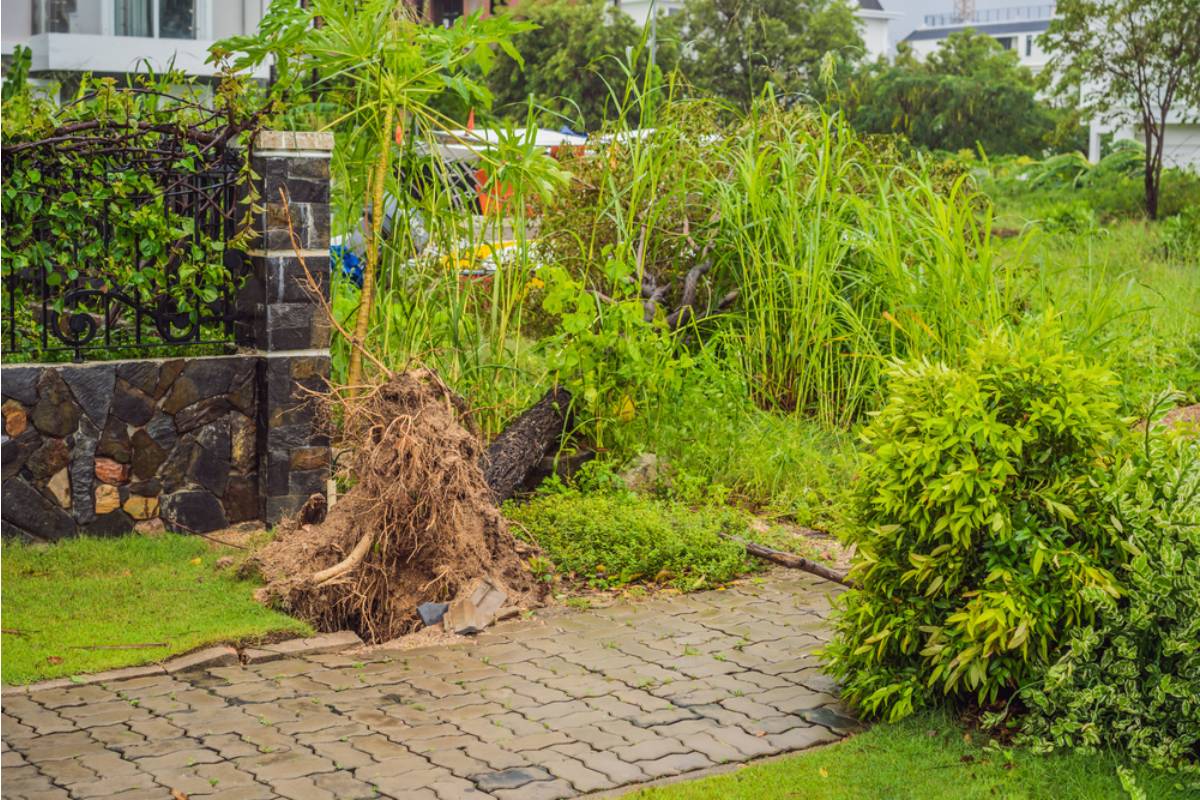
Gardeners Arrive to Find Their Community Garden Deliberately Destroyed Overnight
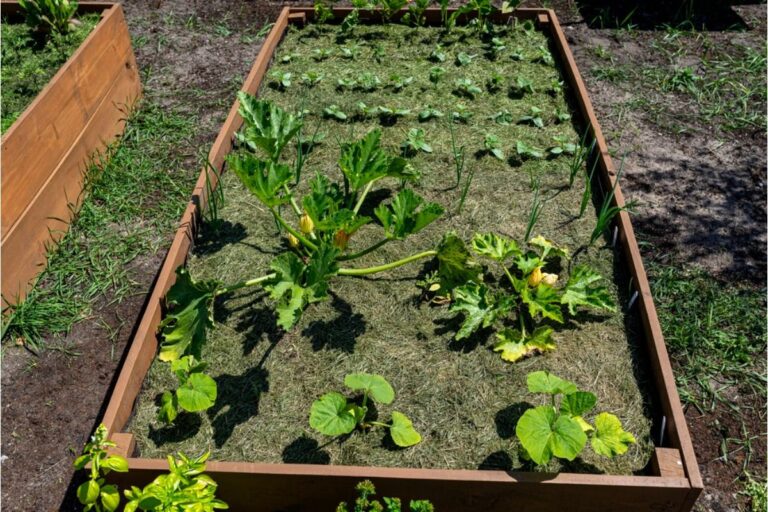
For 14 years, one longtime gardener had been part of a community garden that had grown into something much bigger than a collection of individual plots. They had spent 12 of those years helping manage the space, watching nearly 100 plots turn into a thriving patchwork of vegetables, fruit trees, berries, and native plants.
The garden was surrounded by currant, gooseberry, and chokeberry bushes, along with apple and pear trees and roughly 150 feet of plants chosen to support local pollinators. It wasn’t simply a place where people grew food. It had become a carefully maintained piece of the wider community.
The First Signs of Trouble
Unfortunately, vandalism had already become a problem during the summer. Carrots were being yanked from the soil and abandoned, tomato plants were being cut at their bases, and entire pepper plants were pulled from the ground and thrown aside.
The damage was especially frustrating because it didn’t appear to serve any purpose. Someone wasn’t simply taking food because they were hungry. They were destroying plants that could have fed people and leaving the damaged crops behind.
Theft Was Something They Had Learned to Accept
The gardeners weren’t completely unfamiliar with people taking produce. Every year, some things disappeared, and the group had learned to accept a certain amount of theft.
There was even some understanding behind that attitude. If someone was hungry and quietly took a few vegetables, the gardeners could at least understand why it happened. But deliberately destroying plants was something entirely different.
Then They Came Back Overnight
The latest incident was far worse than anything that had happened earlier in the summer. Sometime between 9 p.m. and 7 a.m., someone entered the garden and attacked roughly a third of the plots.
The damage wasn’t concentrated on one person’s garden, either. Multiple gardeners found their work destroyed, making it increasingly difficult to believe that the vandalism was simply one isolated disagreement.
The Gourd Trellis Was Hit Hard
The longtime gardener’s own plot suffered a particularly painful blow. An eight-foot-wide trellis had been covered with birdhouse, dipper, and bushel gourds the previous evening.
By morning, the gourds had been hacked in half and scattered across the garden. The gardener wasn’t even sure whether any of them could still be salvaged because the gourds were intended for crafting and needed to harden naturally while remaining on the vine.
It Wasn’t Just a Garden Anymore
What made the destruction especially heartbreaking was the amount of time invested in creating the space. These weren’t plants that had appeared overnight. They represented months of planting, watering, pruning, planning, and waiting.
For someone who had spent more than a decade helping care for the garden, seeing that work deliberately destroyed was devastating. A storm or failed crop would have been painful, but there was at least no person intentionally choosing to cause the damage.
Cameras Quickly Became the Main Suggestion
Once the story was shared, one recommendation appeared again and again: cameras. Several people suggested trail cameras because the garden didn’t have the infrastructure needed for conventional security equipment.
Others recommended combining visible cameras with hidden ones. The thinking was that visible cameras might discourage vandals, while concealed cameras could potentially capture evidence if someone decided to destroy the visible equipment.
Fake Cameras Had Already Failed
The gardeners had actually tried a cheaper deterrent before. Fake cameras had been installed in the past, but the vandals quickly destroyed those too.
That experience made the situation more complicated. A simple plastic camera mounted where everyone could see it clearly wasn’t enough to convince whoever was responsible that the garden was protected.
A Fence Wasn’t a Simple Answer
Many people also suggested fencing the entire garden. Under ordinary circumstances, that might have been one of the most straightforward ways to keep people out.
But the garden covers more than 20,000 square feet, making a full perimeter fence an enormous expense. The gardener explained that installing one wasn’t financially realistic, particularly for a community garden operating in a public space.
The Location Made the Mystery Stranger
The garden isn’t hidden away in an isolated corner of town. It’s located inside a busy, well-used park in the downtown area of a large town.
The surrounding park includes pickleball courts, a playground, a senior community center, and a walking path. With people constantly moving through the area, the gardeners found it difficult to understand how someone could repeatedly cause this much destruction without being identified.
Police and the Town Already Knew
The gardeners weren’t ignoring the problem or simply hoping it would disappear. The town and police were already aware that vandalism had been occurring.
After the latest attack, a police report was filed and the town was notified again. The gardeners also planned to bring the situation to social media in hopes that someone nearby might recognize the people responsible or have footage from another camera.
The Pandemic Years Had Offered a Possible Clue
There had been vandalism during the COVID years, and at the time the gardeners suspected bored teenagers from a nearby youth shelter. Eventually, however, things became relatively quiet apart from the occasional theft.
That history initially made teenagers a possible suspect again. But the latest incident had been extensive enough that the gardeners weren’t completely certain who was responsible.
Then Another Theory Entered the Conversation
Some commenters wondered whether the vandalism could be personal. They pointed out that pulling carrots from the ground, cutting tomato plants, and removing entire pepper plants required more effort than simply wandering through a garden and kicking things over.
One possibility raised was that a former garden member or someone with a grudge could be responsible. The gardener admitted that two former members came to mind, but that theory became less convincing when plots belonging to their friends were vandalized too.
The Damage Spread Beyond the Garden
The situation became even harder to explain when damage appeared in other gardens around the park. The park’s gardens had also been affected, and there had apparently been a tomato fight around the perimeter.
That detail pushed the gardener back toward the theory that bored kids might be responsible. If several unrelated plots were being targeted, there seemed to be less evidence of a carefully planned personal vendetta.
People Offered Plenty of Creative Solutions
The suggestions from the community ranged from practical to downright ridiculous. People proposed motion-activated sprinklers, bright motion-sensitive lights, natural barriers, signs warning that the area was monitored, and various types of trail cameras.
Some suggestions were far more extreme, including ideas involving traps, weapons, or deliberately frightening the vandals. Those ideas were mostly treated as venting rather than realistic solutions, especially because the gardeners were dealing with a public community space.
A Natural Barrier Might Be the More Affordable Option
Several people suggested creating a living barrier instead of paying for a massive traditional fence. Thorny berry bushes, dense plants, and even tall sunflowers were proposed as inexpensive ways to make the garden less inviting to someone looking for an easy target.
The problem, of course, would be balancing security with access. Gardeners still need to enter, maintain, harvest, and move through the plots, so turning the entire perimeter into an impenetrable wall of thorns wouldn’t exactly make gardening easier.
Community Support Could Make a Difference
Another suggestion was to make the vandalism much more public. Commenters encouraged the gardeners to contact local news organizations, post about the damage on social media, and ask businesses or community groups whether they could help provide security equipment.
Some even suggested seeking donations or grants for fencing and solar-powered cameras. Since the garden benefits the surrounding community, there was a strong argument that protecting it shouldn’t necessarily fall entirely on the gardeners themselves.
The Gardeners Weren’t Giving Up
Despite everything that had happened, the gardener’s final update showed that the group was already taking the sensible steps available to them. The police report had been filed, the town had been notified, and plans were underway to spread the story through social media.
There was still a lot of uncertainty about who had done it and whether the damaged gourds could be saved. But after 14 years of helping build the garden, the gardener wasn’t ready to let one night of senseless destruction define the entire season.
Sometimes the Worst Part Is Knowing It Was Deliberate
Natural disasters can destroy a garden in minutes, but there’s something uniquely painful about discovering that another person deliberately caused the damage. A storm doesn’t decide to pull a carrot from the ground and leave it there to rot.
For the gardeners, that distinction was impossible to ignore. They had created something beautiful for themselves and the wider community, only to find part of it deliberately torn apart overnight.
The Garden Will Have to Grow Again
The immediate priority is figuring out how to protect what remains. Cameras, lighting, community support, and better coordination with the town may eventually make the garden a much harder target.
But the emotional damage won’t disappear as quickly as the physical damage can be repaired. After spending years helping a garden grow, watching someone destroy it for no apparent reason can leave a person wondering how anyone could look at something living and thriving and decide to tear it apart.