Homeowners Are Replacing Grass With Raised Garden Beds, And Some HOAs Are Starting to Push Back Against the Trend
Homeowners are replacing grass with raised garden beds, and what many see as a practical shift toward growing food and reducing maintenance is now turning into a growing conflict with HOAs that say the trend is changing the look of entire neighborhoods.
Front Yards Started Looking Different
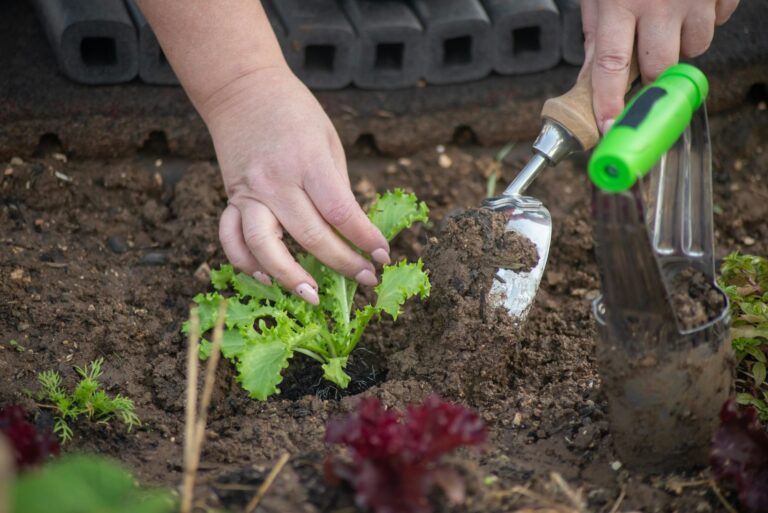
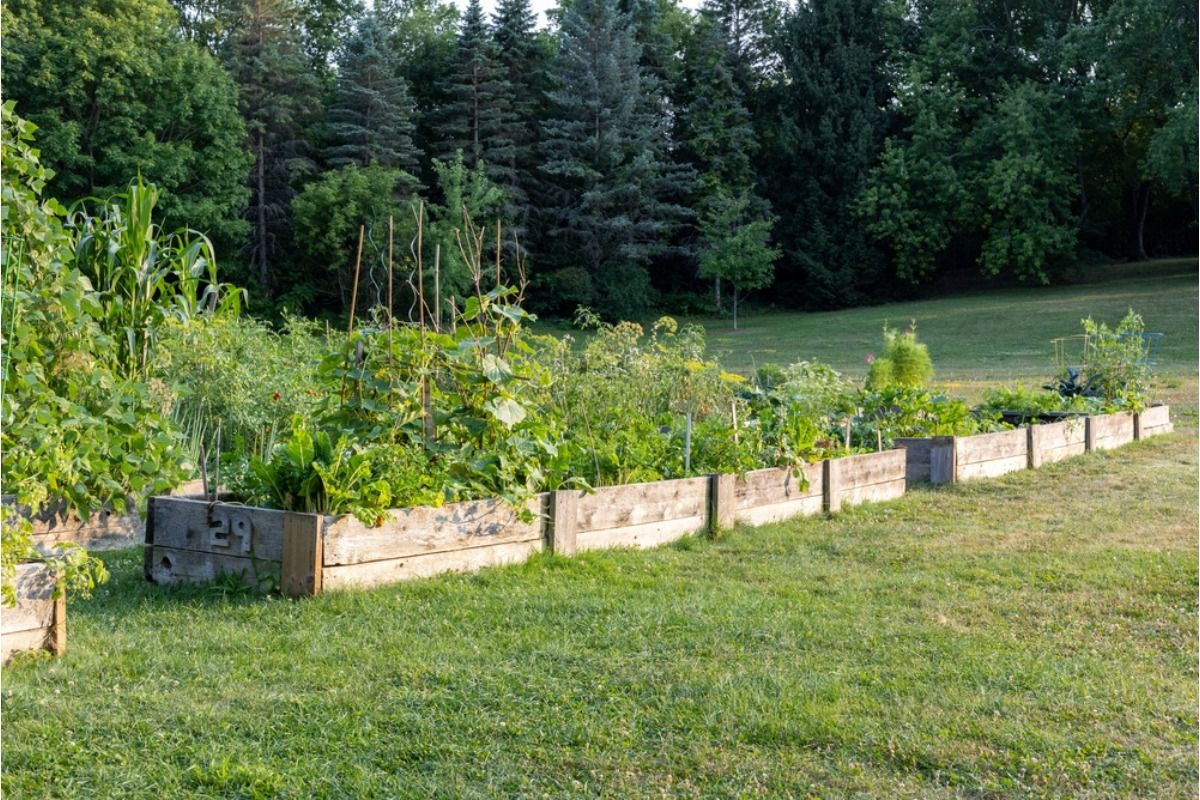
At first, only a few houses made the change. Traditional lawns disappeared and wooden garden beds took their place. Tomatoes, lettuce, peppers, and herbs began appearing where grass once covered everything. And the visual difference stood out immediately across some streets.
Homeowners Say the Change Makes Sense
Many residents argue the switch is practical. Grass requires constant watering, mowing, and upkeep. Raised beds feel more useful and productive. And growing food at home has become increasingly appealing as grocery prices continue rising.
The Gardens Expanded Quickly
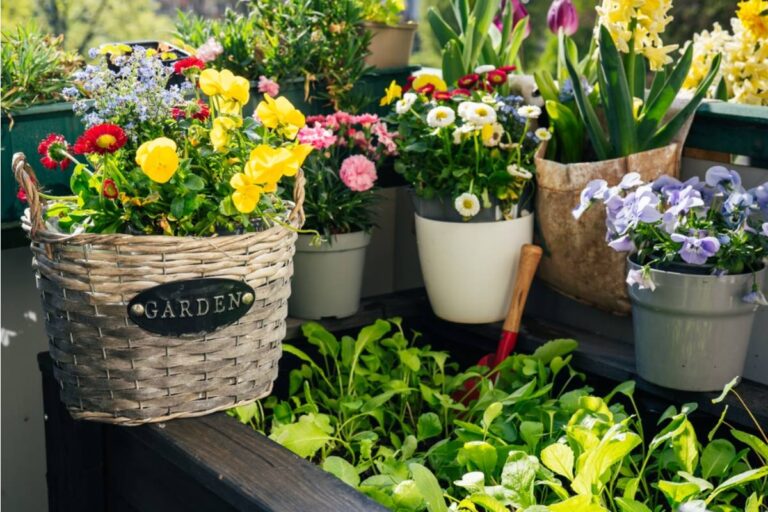
What started as a few small beds often grew larger over time. Extra planters appeared. Pathways were added. Compost bins showed up nearby. And some front yards slowly transformed into full food-growing spaces rather than decorative lawns.
HOAs Began Receiving Complaints
Not everyone appreciated the changes. Some neighbors started complaining about appearance and consistency. HOA boards began discussing whether the gardens matched neighborhood standards. And tensions quietly started building during meetings.
“It’s Starting to Look Too Agricultural”
One common criticism focused on aesthetics. Some residents felt front yards were beginning to resemble farms instead of suburban neighborhoods. Wooden boxes, support cages, and visible soil changed the visual character of streets. And that shift became controversial surprisingly fast.
Homeowners Defended the Gardens Strongly
Garden supporters pushed back immediately. They argued the beds were clean, organized, and environmentally responsible. Some pointed out they spent more time maintaining their gardens than most people spent maintaining lawns. And they rejected the idea that food gardens automatically looked messy.
HOA Rules Suddenly Became a Major Focus
Many residents began reading HOA regulations more carefully. Some discovered vague landscaping rules that could potentially restrict raised beds. Others found no clear rules at all. And debates started over how much control HOAs should really have over personal property.
Social Media Added Fuel to the Debate
Photos of front-yard gardens and HOA warning letters started spreading online. Some homeowners received support from strangers praising sustainability. Others faced criticism about neighborhood appearance. And the discussion expanded far beyond individual streets.
Property Value Arguments Emerged Quickly
Opponents frequently raised concerns about resale value. They worried unconventional landscaping could discourage future buyers. Garden supporters disagreed strongly. Some even argued modern buyers preferred functional and sustainable yards over traditional lawns.
More Homeowners Started Joining the Trend Anyway
Despite HOA pushback, the movement kept growing in many areas. People became more interested in gardening, self-sufficiency, and reducing water use. And raised beds continued appearing even in neighborhoods with visible tension around them.
Neighborhood Meetings Became Surprisingly Heated
What seemed like a small landscaping issue turned into emotional community debates. Residents argued over rules, property rights, and neighborhood identity. Some meetings reportedly became tense and confrontational. And simple garden beds became symbols of much larger disagreements.
A Growing Conflict Over Control and Modern Living
In the end, the situation isn’t just about raised garden beds, it’s about changing ideas of what neighborhoods should look like, and whether homeowners should prioritize traditional appearance standards or adapt their spaces around practicality, sustainability, and personal choice.