The Companion Planting Combination Experienced Gardeners Say Keeps Aphids Away Better Than Any Spray They Have Ever Tried
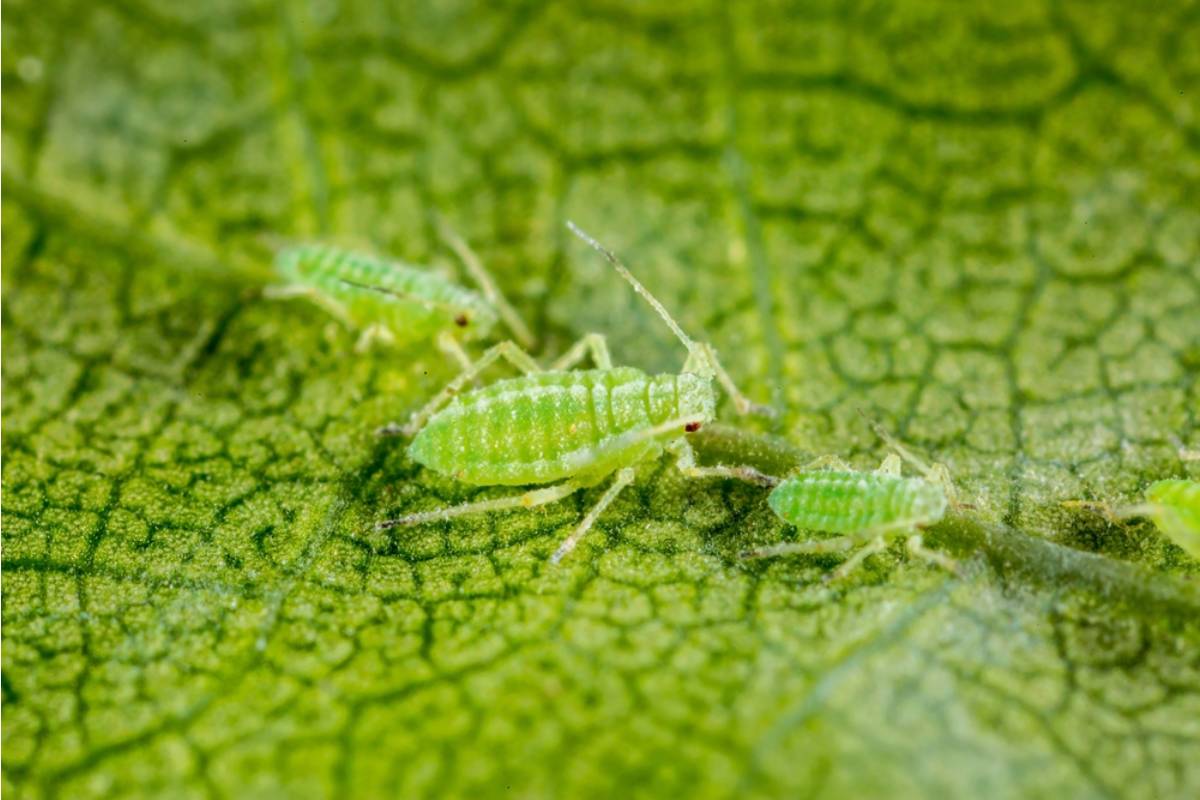
For years, Megan believed the answer to every aphid problem came in a spray bottle. Every spring she faithfully treated her vegetable beds, only to watch tiny insects return a week or two later. The constant cycle left her frustrated because the plants never seemed to stay healthy for long.
During one community gardening event, an experienced grower suggested she stop focusing on killing aphids and start thinking about what attracted and controlled them naturally. That single conversation led Megan into an experiment that completely changed the way she planned her garden.
An Unexpected Comment During Seed Exchange
Megan attended a local seed exchange hoping to find a few unusual tomato varieties. While chatting with other gardeners, she mentioned that aphids had ruined her peppers the previous season. An older gardener named Ruth smiled and asked, “What are you planting beside them?” Megan looked confused because she had never considered neighboring plants to be part of pest control. Ruth explained that experienced gardeners often relied on companion planting long before reaching for sprays.
A Notebook Filled With Strange Pairings
Ruth opened a worn notebook packed with years of handwritten observations. Next to tomatoes, she had listed basil and marigolds. Beside peppers, she recommended alyssum and herbs that attracted beneficial insects. She explained that sweet alyssum provided nectar for tiny hoverflies, whose larvae feed on aphids, while marigolds and herbs helped create a more diverse planting area. Megan copied every note, still wondering if flowers could really compete with commercial products.
Rearranging the Entire Garden
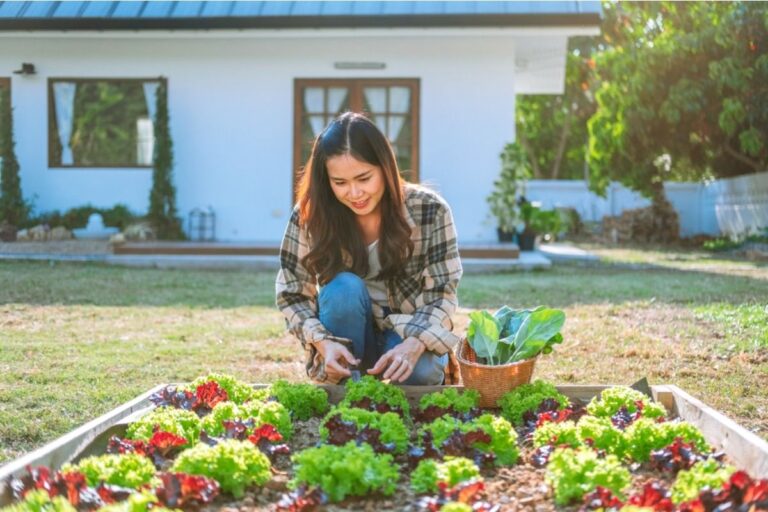
Instead of placing vegetables in long straight rows as she usually did, Megan redesigned her raised beds. She tucked sweet alyssum between pepper plants, surrounded tomatoes with basil, and planted marigolds throughout the garden. The layout looked far more colorful than anything she had grown before. Her husband joked that the vegetable garden now looked like a flower bed. Megan laughed but secretly hoped Ruth was right.
The First Visitors Were Not What She Expected
Within a couple of weeks, Megan noticed insects hovering around the alyssum blossoms. At first she worried the garden was attracting even more pests. Ruth visited one afternoon and pointed out tiny hoverflies moving from flower to flower. She explained that the adult insects were harmless pollinators and that their larvae were known for feeding on aphids. Megan suddenly realized the garden was filling with allies instead of enemies.
A Neighbor Reached for the Spray Bottle
Megan’s next door neighbor, Carl, noticed a few aphids gathering on one of her pepper plants. He walked over holding his favorite insect spray and offered to solve the problem before it spread. Megan thanked him but declined, explaining that she wanted to give the companion plants time to work. Carl shook his head and predicted she would regret waiting. Their friendly disagreement became the talk of the neighborhood.
Something Changed Without Any Warning
Several days later, Megan checked the same pepper plant expecting to find even more aphids. Instead, the population had noticeably dropped. Tiny hoverfly larvae were slowly moving across the stems where the aphids had gathered earlier. Lady beetles also appeared among the leaves, feeding alongside the other beneficial insects. Megan had never seen so much natural activity in her garden before.
The Difference Became Hard to Ignore
As the weeks passed, Carl continued spraying his vegetables while Megan relied on her companion planting experiment. Surprisingly, aphids repeatedly returned to Carl’s plants after each treatment. Megan still spotted a few pests from time to time, but their numbers never exploded like previous years. Healthy insect populations seemed to keep everything balanced. Even Carl admitted he was beginning to notice the contrast.
Visitors Wanted to Know the Secret
The local gardening club organized an open garden tour during the growing season. Several visitors stopped in front of Megan’s vegetable beds, admiring both the flowers and the healthy plants. One guest asked which pesticide she recommended because the leaves looked so clean. Megan smiled and pointed toward the alyssum, basil, and marigolds instead. The answer surprised almost everyone listening.
One Mistake Nearly Changed Everything
While expanding another garden bed, Megan almost skipped planting flowers because she had run out of space. Ruth happened to stop by and encouraged her to squeeze in a few more companion plants wherever possible. Megan followed the advice, even if it meant slightly rearranging her vegetables. Later in the season, that section attracted beneficial insects just as quickly as the others. She realized consistency mattered throughout the garden.
Carl Decided to Run His Own Test
The following season, Carl approached Megan carrying trays of sweet alyssum and marigold seedlings. He admitted curiosity had finally replaced skepticism. Instead of spraying every plant immediately, he copied the companion planting layout Megan had used the previous year. They compared notes every weekend, carefully watching how insects responded. Carl found himself spending less time spraying and more time observing.
Harvest Day Settled the Debate
By late summer, both gardens were producing healthy vegetables with far fewer aphid problems than either neighbor had experienced in the past. Carl admitted the combination of companion plants had performed better than he ever expected. Megan reminded him that the goal had never been to eliminate every insect but to encourage a healthier balance in the garden. The results convinced both of them that thoughtful planning often accomplished more than constant spraying.
A Garden That Taught More Than One Lesson
Word about Megan’s colorful vegetable beds spread through the neighborhood, and more gardeners began experimenting with companion planting in their own yards. People discovered that the flowers attracted pollinators, encouraged beneficial insects, and made the gardens more enjoyable to look at while helping keep aphid populations under control.
Megan still kept pest control products on a shelf for situations that truly required them, but they were no longer her first response. She often smiled when she remembered Ruth’s simple question about what she was planting beside her vegetables. That small shift in thinking transformed not only her harvest but the way an entire group of gardeners approached growing healthy plants.