She Bought Her Dream Backyard Oasis, Then Neighbors Said She Was “Ruining Their Way of Life” by Blocking It Off
A woman who recently moved into her dream beachfront home is now facing unexpected backlash—not over noise, not over pets, but over something far more surprising: her decision to fence in her own backyard.
What started as a simple landscaping and safety upgrade quickly turned into a neighborhood conflict that highlights something many homeowners don’t think about until it’s too late—what happens when your yard was never really “just yours” before?
The Backyard That Sold the House
When the 26-year-old homeowner and her husband purchased their new property, the backyard was the main attraction. Designed like a private oasis, it featured a pool, hot tub, water features, and lush landscaping surrounded by trees for privacy—all with a view of the beach.
It wasn’t just a yard. It was the centerpiece of the home.
The couple envisioned spending most of their time there—relaxing, entertaining, and enjoying the quiet coastal setting. So naturally, when they decided to install a fence around the property, it felt like a logical next step—especially with tourist season approaching.
But they had no idea that one decision would spark tension with an entire neighboring community.
The Knock on the Door That Changed Everything
Shortly after construction on the fence began, a woman from a nearby condo building came knocking. At first, it seemed like simple curiosity.
Then the real issue came out.
According to the neighbor, the previous homeowners had allowed condo residents to walk through the yard as a shortcut to the beach. Over time, it became a routine. Families used it. Kids used it. Some people even texted to ask permission to use the pool.
To them, this wasn’t just a yard. It had become part of their daily life.
And now, with a fence going up and no front gate planned, that access was about to disappear.
“You’re Ruining People’s Way of Life”
When the homeowner made it clear that she wasn’t comfortable with strangers walking through her backyard, the reaction wasn’t understanding—it was frustration.
The neighbor reportedly argued that blocking the path would upset many residents, especially families who relied on the shortcut for beach access. Some even suggested that children wouldn’t be able to make the longer walk to public entry points.
But the homeowner stood firm.
She explained that she didn’t want unknown people entering her private space, especially while she and her husband were using it. She also shut down any discussion about sharing amenities like the pool.
Since then, the tension has only grown. People have been seen pointing at the house, and others have approached her directly to question the decision.
All over what amounts to a five-minute longer walk.
The Landscaping Detail That’s Actually the Real Issue
At first glance, this might seem like a neighbor dispute—but it’s actually a landscaping and property design issue at its core.
For years, the yard functioned as an unofficial shared space. The open layout, lack of fencing, and easy access made it feel like part of a larger community flow rather than a private retreat.
But good landscape design does something important: it defines boundaries.
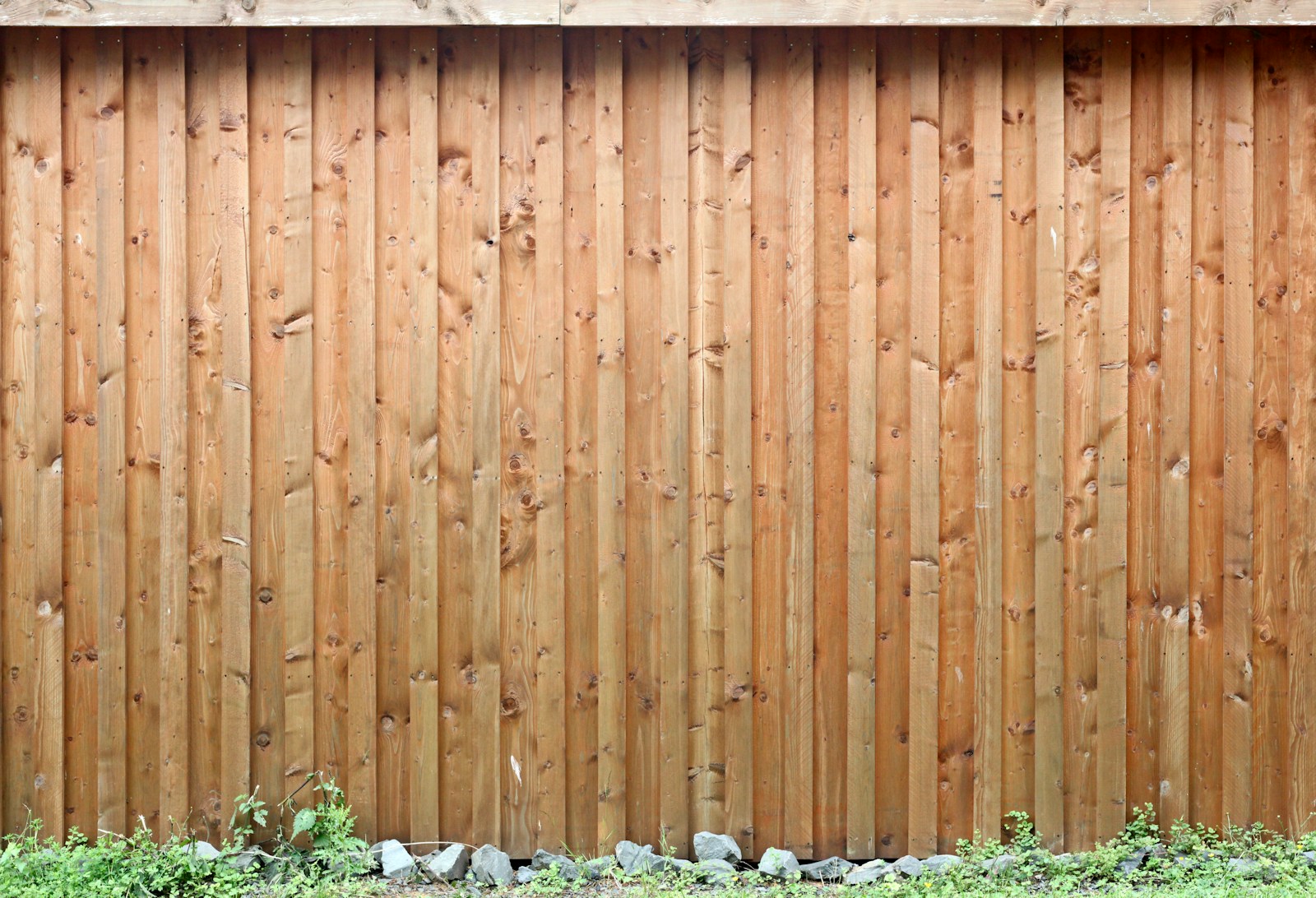
Adding a fence, planting dense greenery, and controlling entry points are all standard ways homeowners:
- Create privacy
- Improve safety (especially with pools)
- Reduce liability
- Establish clear property lines
In this case, the new owners weren’t changing anything unusual—they were simply restoring what most would consider normal residential boundaries.
The real conflict comes from the shift in expectation, not the fence itself.
Why This Situation Happens More Than You Think
This type of issue is surprisingly common, especially in areas with:
- Beach access
- Shared green spaces
- Informal walking paths
- Previously “friendly” or open-use properties
When previous homeowners allow access, even casually, it can create a sense of entitlement over time. What started as a favor becomes a routine. Then a norm. Then, eventually, an expectation.
So when new owners come in and change things, it feels—at least to neighbors—like something is being taken away.
Even if it was never theirs to begin with.
The Bigger Risk No One Is Talking About
Beyond privacy, there’s another major reason many homeowners would make the exact same decision: liability.
Allowing strangers—or even neighbors—to freely access a backyard with a pool or hot tub comes with real risks. If someone gets injured, especially a child, the property owner could potentially be held responsible.
That’s why fencing isn’t just about aesthetics. It’s often about protection—both physical and legal.
In many areas, pool fencing is strongly recommended or even required for this exact reason.
A Backyard Should Feel Like Yours
At the heart of this story is a simple question:
Should homeowners be expected to maintain access to their property just because previous owners allowed it?
For this couple, the answer was clearly no.
They didn’t buy a shared space. They bought a home—with a backyard they planned to enjoy privately.
And while the change may be inconvenient for others, it ultimately reflects something many homeowners value deeply: the ability to feel comfortable, secure, and uninterrupted in their own space.
When Landscaping Becomes a Statement
This situation shows how something as simple as a fence can carry a much bigger meaning.
It’s not just a structure, it’s a boundary. A signal. A reset of expectations.
And sometimes, it’s the moment a property finally becomes what it was always meant to be: private.