Gardener Says Her Backyard Started Failing After One Tree Was Removed Nearby, Now Nothing Grows the Same
For years, her backyard garden was predictable in the best way.
Plants grew where they were supposed to. Soil stayed balanced. Even during hotter stretches, things rarely got out of control. It wasn’t perfect, but it was consistent — and that’s what made it work.
Then one nearby tree was removed.
It wasn’t even on her property.
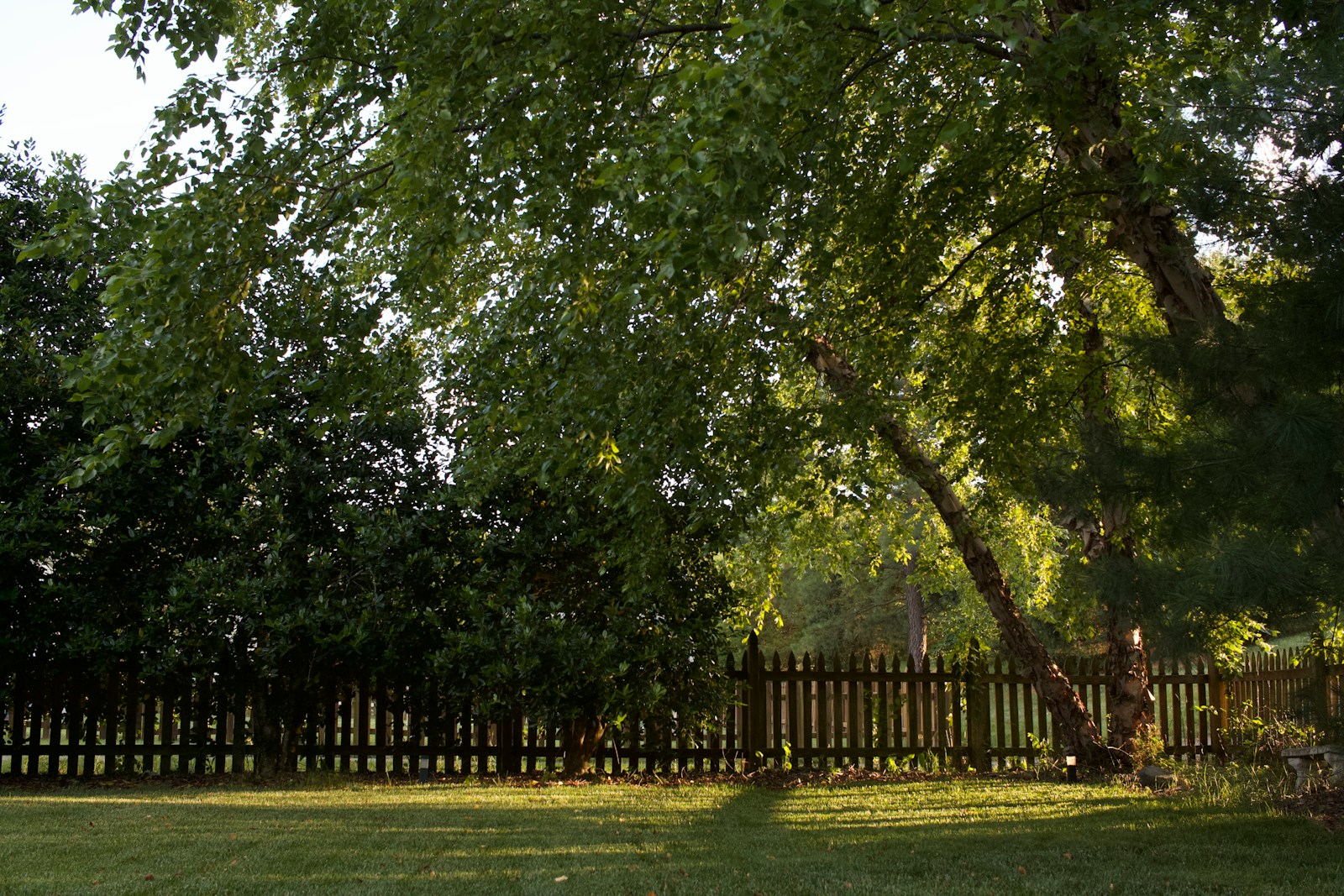
A neighbor had decided to take down a large, mature tree that had been there for decades. At first, it seemed like it might actually improve things. More sunlight, fewer falling leaves, less shade.
But within weeks, something felt off.
Her soil started drying out faster than usual. Plants that had never struggled before began wilting by mid-afternoon. Some leaves looked scorched, even though temperatures weren’t unusually high.
At first, she assumed it was a watering issue.
So she watered more.
Then more again.
But instead of improving, things started getting worse.
That’s when she realized the tree had been doing more than just providing shade — it had been stabilizing the entire environment around her garden.
Large trees don’t just block sunlight. They regulate temperature, reduce wind exposure, and help retain moisture in surrounding soil. When one is suddenly removed, it can create a ripple effect that changes growing conditions almost immediately.
In her case, the difference showed up in three major ways.
First, direct sunlight increased dramatically.
Areas that had previously received filtered or partial light were now exposed for long stretches of the day. Some plants can adapt to more sunlight, but others — especially those that had been growing in stable conditions for years — can struggle with that kind of shift.
Second, wind exposure changed.
Without the tree acting as a buffer, her yard became more exposed to passing air currents. Even light wind can dry out soil faster and stress plant structures, especially in younger or more delicate growth stages.
Third, moisture retention dropped.
Shade plays a bigger role in soil hydration than many people realize. With more direct sun hitting the ground, water evaporates faster, even if watering habits stay the same.
This combination created a situation where everything looked normal on the surface, but plants were under constant stress.
Some gardeners in similar situations have described it as their garden “suddenly becoming high maintenance overnight.”
Because the issue isn’t just one thing — it’s multiple environmental shifts happening at the same time.
To adjust, many people have had to rethink how their garden is set up entirely.
That can include:
- Introducing shade cloths or temporary structures
- Adding mulch to help retain moisture
- Switching to more heat- and sun-tolerant plants
- Watering less frequently but more deeply to support root systems
- Creating wind barriers using fencing or plant groupings
But even with adjustments, it can take time for a garden to rebalance.
And in some cases, certain plants simply don’t recover.
What makes this situation especially frustrating is that the change often happens outside the gardener’s control.
It’s not something they planted wrong. It’s not a mistake they made.
It’s an environmental shift caused by something nearby — something that seemed unrelated at first.
More gardeners are starting to notice this pattern, especially in neighborhoods where trees are being removed for construction, landscaping updates, or safety concerns.
What looks like a simple yard change can quietly impact surrounding spaces in ways most people don’t anticipate.
And for gardeners, that impact shows up quickly.