Homeowner Says He Put a Small Fence Around His Vegetable Beds, Now Neighbors Are Accusing Him of Being Unfriendly
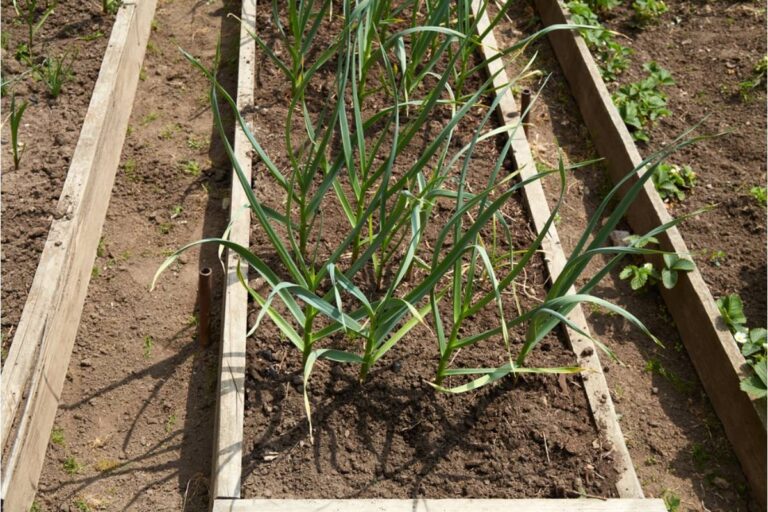
When Daniel Whitmore moved into his suburban home in Oregon, he never expected his small vegetable garden to become a neighborhood talking point. It started with a few tomato plants, then expanded into raised beds of cucumbers, lettuce, and herbs. For months, neighbors admired it casually from the sidewalk. But when Daniel added a low wooden fence around the beds to protect them from rabbits and stray dogs, the reaction surprised him. What he saw as simple maintenance, others saw as a statement.
The Fence Goes Up Over a Weekend
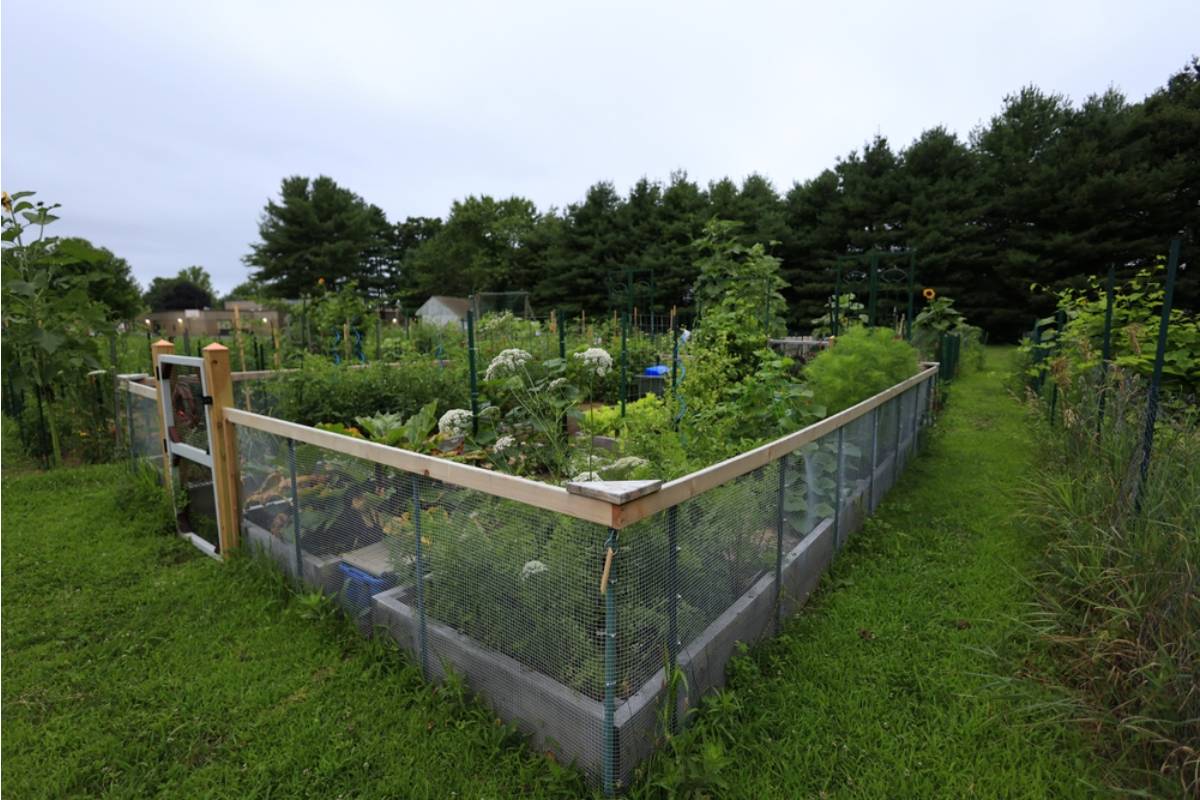
Daniel installed the fence on a Saturday morning, expecting no reaction beyond maybe a passing glance. It was waist-high, painted light brown, and designed purely to keep animals out. He even left a wide gate open for himself to access the plants easily. By Sunday afternoon, he noticed people slowing down more than usual when walking past his house. No one said anything yet, but the stares lingered longer than before.
The First Comment Sounds Light, But Isn’t
A neighbor named Carla stopped by while Daniel was watering his peppers. She pointed at the fence and smiled politely. “You’re really locking it down over there,” she said with a laugh. Daniel explained it was just to keep rabbits out. Carla nodded but didn’t seem convinced. The conversation ended quickly, but Daniel sensed something had shifted.
A Group Chat Starts Talking
Later that week, Daniel’s name appeared in the neighborhood group chat. Someone posted a photo of the fence with the caption, “Since when did we start fencing off gardens?” The thread filled with mixed reactions. Some defended Daniel, saying it was his property. Others called it “a bit cold for the community vibe.” Daniel didn’t respond, unsure what to say.
A Knock on the Door He Didn’t Expect
Two days later, Carla returned with another neighbor, Mark. They stood on his porch holding coffee cups, trying to sound casual. Mark mentioned that the fence made it harder for people to admire the garden up close. Carla added that it “changed the feel of the whole street.” Daniel explained again that nothing about sharing had changed. The conversation felt polite, but strained.
The Fence Becomes a Symbol
By the end of the month, the fence had taken on a life of its own. People walking by would gesture at it while talking to each other. Some called it “the boundary house.” Others joked that Daniel had “gone private mode with vegetables.” Daniel noticed fewer people stopping to chat, even when he was outside. The fence had become more than wood—it had become a message he never intended to send.
A Neighbor’s Story Spreads
At a weekend barbecue, Daniel overheard someone repeating a story about his garden. According to them, he had installed the fence because he “didn’t want neighbors getting too comfortable.” That wasn’t true, but the version of events spread quickly. By the next week, even people he barely knew were referencing it. Daniel felt like he was defending a version of himself he didn’t recognize.
The Garden Club Visit
The local gardening club, which occasionally toured neighborhood gardens, asked if they could still stop by. Daniel agreed, assuming it would help clear things up. When they arrived, several members commented on the fence before even looking at the plants. One woman said it “set a different tone than other gardens.” Daniel tried explaining its practical purpose again, but the conversation drifted elsewhere.
A Conversation Turns Uncomfortable
One afternoon, Mark stopped Daniel while he was trimming basil. Mark said some neighbors felt the fence made people feel “kept out.” Daniel asked if anyone had actually been prevented from seeing anything. Mark admitted no one had tried to enter. The issue, he said, was how it made people feel. That distinction frustrated Daniel more than he expected.
A Child’s Question Cuts Through Everything
A few days later, a young boy walking with his mother asked Daniel directly why he built a “wall for plants.” Daniel crouched down and explained it was to protect them from animals. The boy nodded seriously and said, “So it’s like a tiny fort?” Daniel laughed, surprised by how simple the explanation sounded when it came from a child. For a moment, the tension around him felt less complicated.
A Neighbor Suggests “Opening It Up”
Carla returned again, this time suggesting Daniel remove part of the fence during the day so people could “connect with the garden better.” Daniel politely declined. He explained that the fence wasn’t about excluding anyone. It was about keeping the garden alive. Carla didn’t argue, but her expression suggested she still didn’t agree.
A Late Evening Realization
One evening, Daniel sat outside watching the sunset through the slats of the fence. He realized most of the conflict wasn’t really about vegetables or rabbits. It was about expectations—what people thought they should have access to simply because it was visible. The fence had drawn a line, but not just in the soil. It had drawn one in perception.
The Fence Stays, But the Story Changes
Over time, the reactions softened. People still noticed the fence, but fewer comments followed. Some neighbors began greeting Daniel normally again. A few even admitted they had overthought it. Daniel never removed the fence, but he stopped explaining it as often. Eventually, it went back to being what it had always been, a simple barrier protecting a small patch of vegetables, not a statement about the neighborhood at all.