Homeowner Says His Neighbor Keeps Insisting the Shared Alley Behind Their Properties Is Her Personal Garden Extension and Has Started Planting There Without Asking Anyone
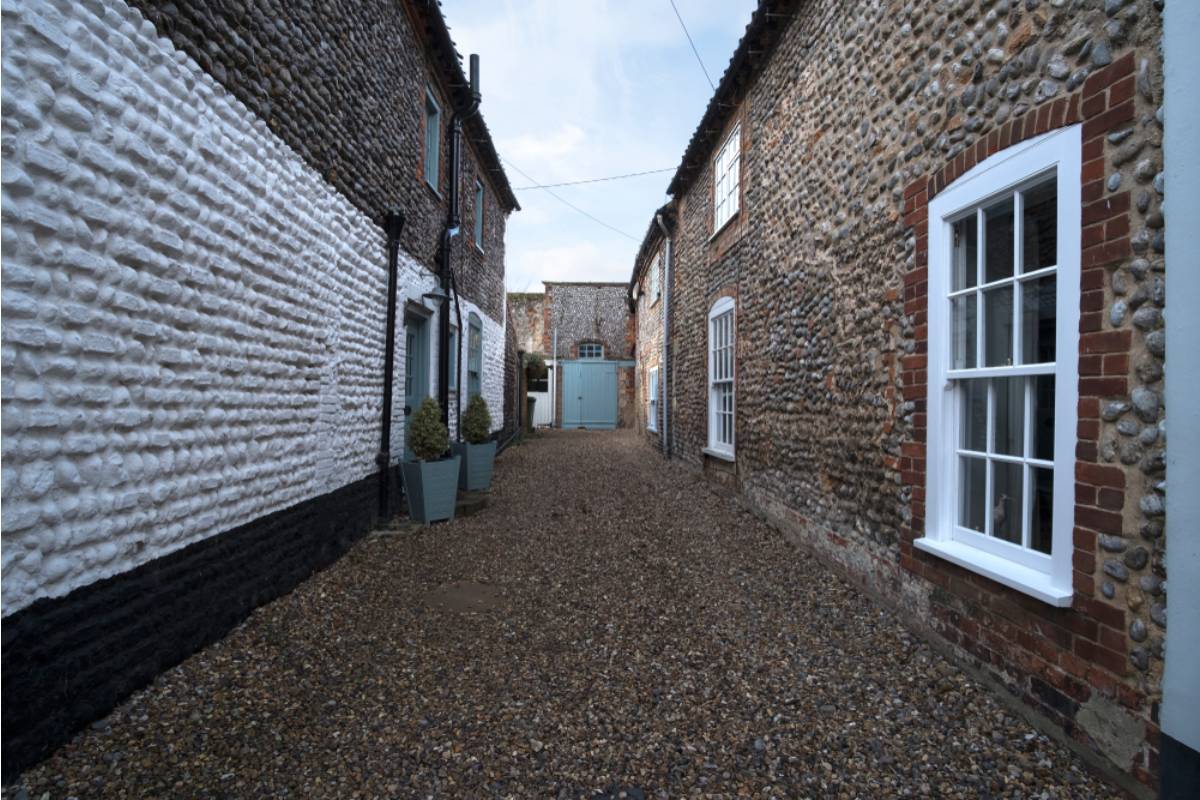
The narrow alley behind our row of homes had never been anything special. It was simply a shared access lane where neighbors rolled trash bins, carried landscaping supplies, and occasionally stopped to chat over the fence. Everyone understood that nobody owned it, even though we all used it. That changed when my neighbor, Sandra, began treating the space as though it belonged exclusively to her. At first her changes seemed harmless, but they quickly grew into something none of us expected.
The First Flower Pots Appeared Overnight
One morning I walked behind the houses and noticed several large flower pots neatly arranged against the fence. They were filled with colorful annuals, and I assumed Sandra had placed them there temporarily while reorganizing her backyard. A few neighbors complimented how cheerful they looked. Nobody objected because the pots left plenty of room to walk through. We had no idea they were only the beginning.
The Path Started Getting Narrower
Over the next few weeks, more containers appeared along the alley. Then came decorative stones, small trellises, and wooden planter boxes stretching farther into the shared walkway. Pushing my trash bin through the alley suddenly required weaving around obstacles. One evening, I watched a delivery driver struggle to squeeze a hand truck between the planters. The shared path no longer felt shared.
Sandra Had an Explanation Ready
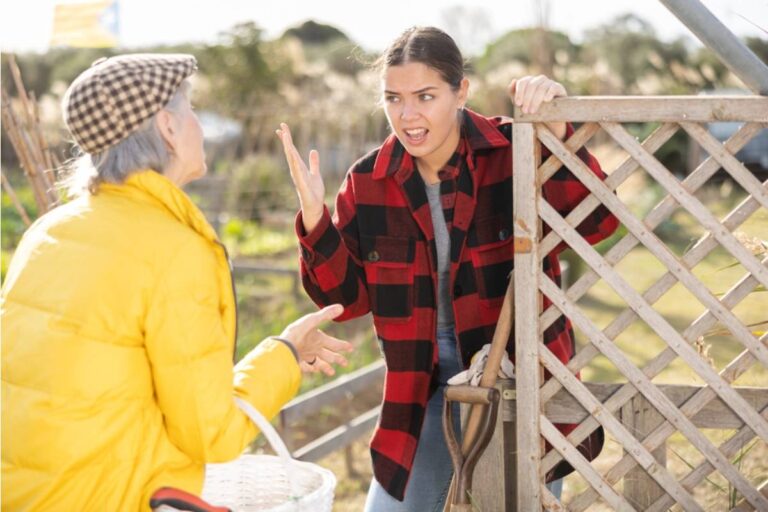
I decided to ask Sandra whether she planned to move some of the planters back into her yard. She smiled proudly and said she was beautifying an area that everyone else had ignored for years. When I pointed out that the alley belonged to the entire neighborhood, she insisted she was improving it for everyone’s benefit. According to her, nobody had complained, so she assumed everyone appreciated the effort. That assumption did not last long.
A Garden Hose Created the Next Problem
A few days later, I nearly tripped over a garden hose stretched across the alley. Sandra had run it from her backyard to water the new plants without moving it afterward. My neighbor Tom caught himself just before falling while pulling his recycling cart past the same spot. We rolled the hose aside, but it reappeared the following morning. What had started as an inconvenience was becoming a safety issue.
Another Neighbor Finally Spoke Up
During a weekend barbecue, several neighbors began talking about the growing collection of planters. One woman admitted she had stopped using the alley altogether because navigating around everything had become frustrating. Tom pointed out that emergency workers might have trouble getting equipment through if the passage became any narrower. Until then, everyone had assumed they were the only person bothered by it. Hearing the same concerns repeated around the table changed the mood completely.
New Plants Went Directly Into the Ground
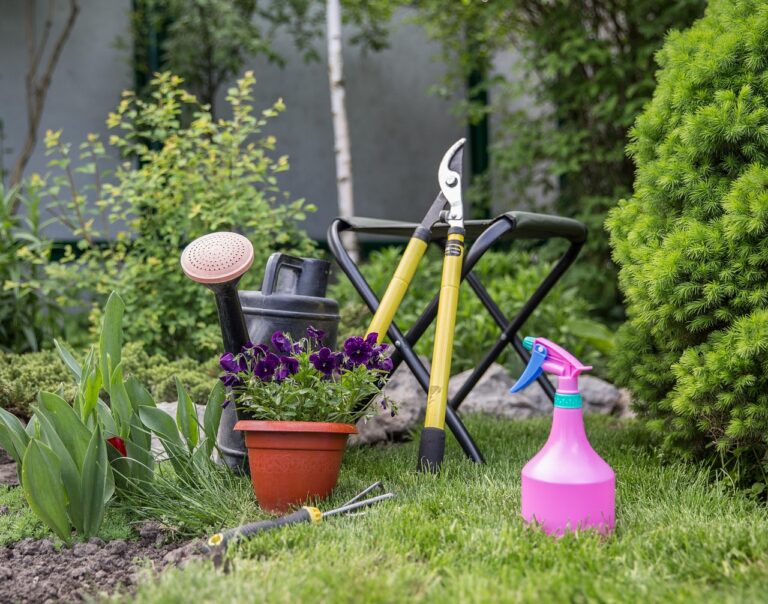
The following weekend, I walked through the alley and stopped in disbelief. Sandra had dug small planting holes directly into the strip of soil running beside the pavement. Young shrubs and ornamental grasses now lined the path as though the space had always been part of her property. She was kneeling with a trowel when she looked up and smiled. It was clear she considered the project permanent.
A Survey Marker Changed Everything
While planting another shrub, Sandra uncovered a small metal survey marker that had been buried near the edge of the alley. Unsure what it meant, she brushed it off and continued digging. Tom recognized it immediately because he had seen similar markers during a previous neighborhood improvement project. He suggested everyone pause until they understood exactly what the marker identified. For the first time, Sandra looked uncertain.
The Homeowners Gathered Together
Rather than arguing across fences, several homeowners agreed to meet in the alley that evening. Everyone had a chance to explain how they used the shared space and why access mattered. Sandra insisted she only wanted to make the area more attractive, but she admitted she had never asked anyone before planting. Listening to every neighbor speak one after another made it clear that the alley served many purposes beyond gardening. Silence settled in as she realized she had made decisions for everyone else.
An Unexpected Visit From the City
A few days later, a city maintenance crew arrived to inspect utility access in the alley after receiving a routine work order. The supervisor immediately noticed several shrubs planted directly over an area reserved for underground service access. He politely explained that the landscaping would need to be removed because crews required clear access for future repairs. Sandra looked genuinely surprised because she had never considered what lay beneath the soil. The timing could not have been more revealing.
The Cleanup Became a Community Effort
Instead of leaving Sandra to handle everything alone, several neighbors offered to help relocate the plants into her own backyard. Together we carefully lifted shrubs, stacked planters, and rolled decorative stones back through her gate. The work took most of the afternoon, but nobody complained. Conversations that had once been tense slowly became friendly again. It felt better solving the problem together than continuing the disagreement.
A Better Idea Replaced the Old One
After the alley was cleared, one neighbor suggested creating a small shared garden near the neighborhood entrance where everyone could contribute if they wished. The proposal received immediate enthusiasm because it involved cooperation rather than one person making decisions alone. Sandra volunteered to organize the planting schedule and asked everyone for input before choosing anything. Her willingness to include others completely changed how people viewed the project. The community finally had a garden everyone genuinely shared.
The Alley Returned to Its Purpose
Today, the alley once again serves as an easy path for trash bins, deliveries, and neighbors stopping to chat over the fence. The only flowers growing there now are a few volunteer wildflowers that appeared on their own along the edges. Whenever I walk through, I remember how quickly good intentions can create conflict when communication is missing. Sandra still loves gardening, but now she asks before expanding beyond her own fence line. In the end, the strongest thing our neighborhood grew was a better understanding that shared spaces only work when everyone gets a voice.