Gardener Says Her Backyard Vegetables Became So Valuable During a Shortage That Friends Started Asking to Reserve Harvests Weeks in Advance
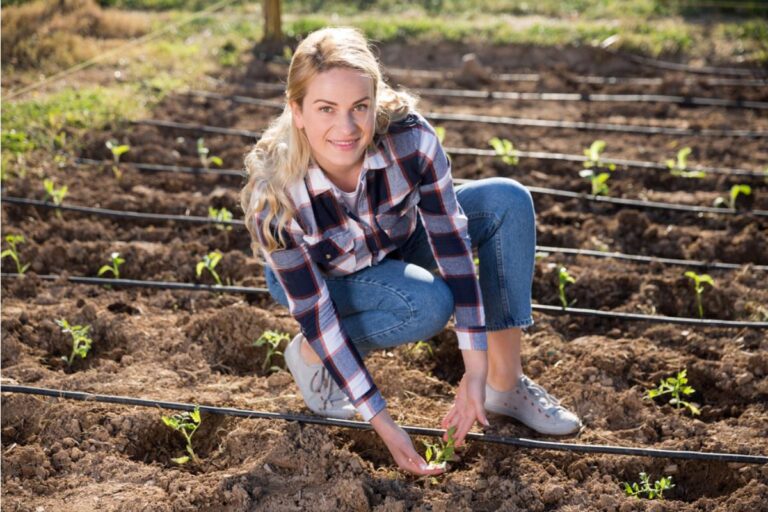
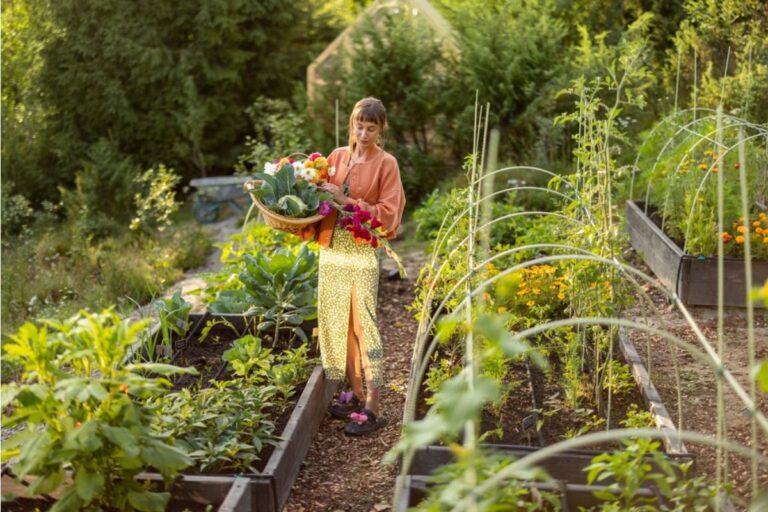
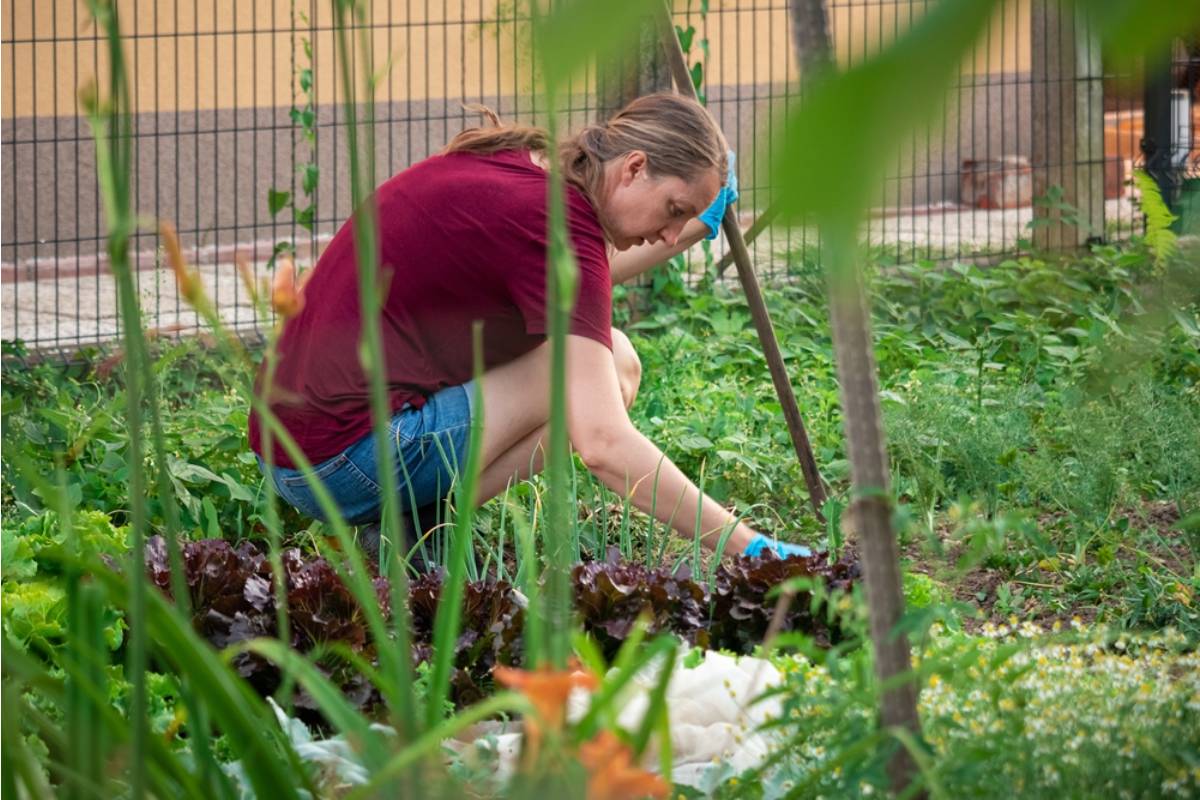
When 38 year old Emily Parker from Colorado started her backyard vegetable garden, she never imagined it would become the center of attention in her neighborhood. What began as a small hobby to save money and eat healthier quickly turned into something much bigger during a regional produce shortage. As grocery shelves became inconsistent, her garden started producing more than she could personally use. Friends began asking for vegetables, then neighbors, then people she barely knew. And soon, even casual conversations started turning into requests and expectations.
The First Knock at the Fence
It started with a simple knock on a Saturday morning. Her neighbor asked if she had any extra tomatoes. Emily handed over a small basket without thinking much of it. The neighbor thanked her repeatedly, almost surprised by the generosity. That moment felt harmless, but it would not stay that way for long.
Word Spreads Across the Block
Within a week, more people started showing up. Some brought containers, others just hoped she would have leftovers. Emily noticed people talking about her garden like it was a community resource. She never corrected them at first. She simply shared what she could.
The First Request for Reservations
One afternoon, a neighbor asked if she could “reserve” zucchini for the following week. Emily laughed, thinking it was a joke. But the neighbor was serious. She wrote down an amount and said she would return for pickup. Emily felt unsure but agreed just to avoid conflict.
A Calendar Begins to Form
Soon, multiple neighbors began asking for future harvest slots. Emily found herself keeping informal notes just to remember who wanted what. Her garden, once spontaneous and relaxing, started feeling scheduled. Every plant began to feel like it already belonged to someone.
Pressure Starts to Build
As demand increased, Emily noticed subtle pressure from people expecting consistency. If she had a smaller yield one week, someone would always comment on it. She began feeling responsible not just for growing vegetables, but for meeting expectations she never agreed to.
Friends Become Customers
Even close friends started treating her garden differently. Instead of asking if she had extra produce, they began asking what they could “get this week.” Emily realized the conversations had shifted from casual sharing to quiet transactions. It made her uncomfortable, but she did not know how to stop it.
A Conversation She Did Not Expect
One neighbor suggested she should organize a formal signup list for fairness. The idea sounded reasonable to others standing nearby. Emily hesitated, realizing the situation had grown beyond her control. She said she needed time to think, which surprised some people.
The Garden Starts to Feel Watched
Emily began noticing people checking her yard more often. Some would ask when certain vegetables would be ready. Others would casually mention what they hoped to receive. What used to be a private space now felt monitored.
A Missed Harvest Causes Tension
One week, a storm damaged part of her crop. She had less to distribute than expected. Several people expressed disappointment openly. Emily realized that what she once gave freely was now being anticipated like an obligation.
A Difficult Boundary Conversation
Emily finally told a group of neighbors that she could not accept reservations anymore. Some were understanding, but others were visibly upset. One person said they had already planned meals around her garden. Emily felt pressure she had never intended to create.
A Return to Simplicity
After stepping back, Emily stopped discussing her garden with most people. She quietly resumed gardening for herself again. Some neighbors still visited, but expectations had changed. She shared when she could, without promises.
A Shift in Community Dynamics
Over time, the neighborhood adjusted to the change. People started growing small gardens of their own or buying from local markets again. The urgency faded as supply stabilized. Emily’s garden returned to being personal rather than public.
Learning Where Sharing Ends
Emily eventually realized that generosity can shift into expectation without warning. What began as kindness had slowly become pressure. She learned to set boundaries without guilt. And her garden became something simple again, belonging only to her and not to a waiting list.