Gardener Says Her Neighbor Insisted Her Garden Was Too Wild for the Street for Years, Then Asked Her to Design the Landscaping for Her Own Yard for Free
For years, Hannah Brooks felt like the odd one out on her quiet suburban street. While most neighbors preferred perfectly trimmed lawns, identical shrubs, and carefully arranged flower beds, Hannah filled her yard with native plants, wildflowers, herbs, and vegetables.
Some people admired the colorful space, but one neighbor regularly criticized it. She believed Hannah’s garden looked untidy and did not belong in the neighborhood. Hannah never expected that the same person who questioned her choices for years would eventually knock on her door asking for gardening advice.
The Garden That Made Hannah Stand Out
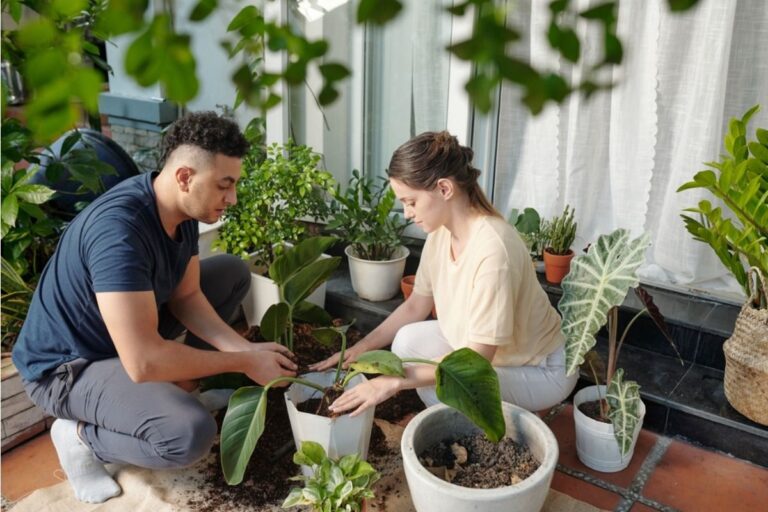
When Hannah moved into her home outside Asheville, North Carolina, the backyard was nothing more than a flat patch of grass with a few aging bushes along the fence. She had always loved gardening, but she wanted to create something different from the typical suburban yard.
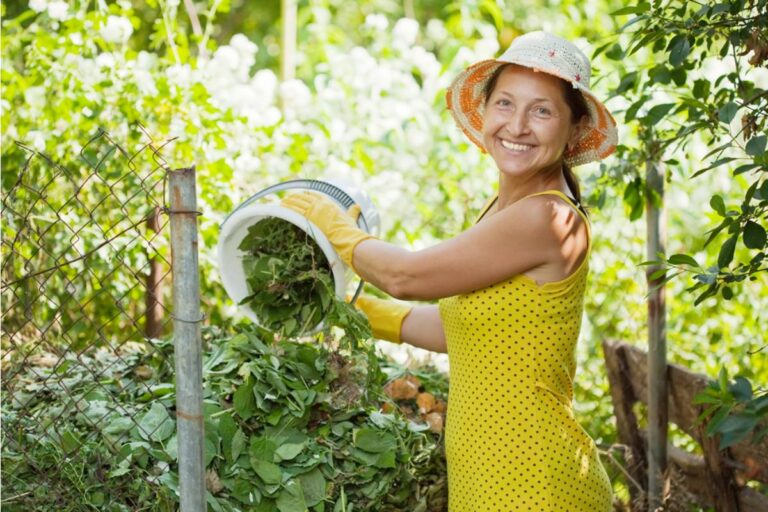
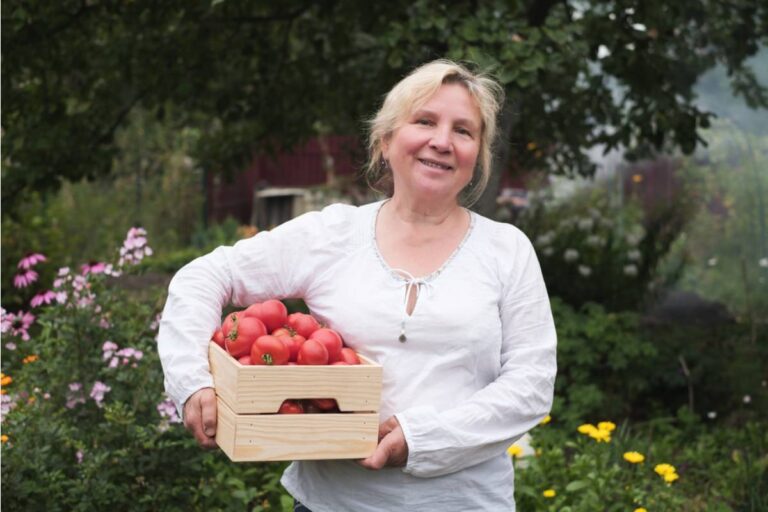
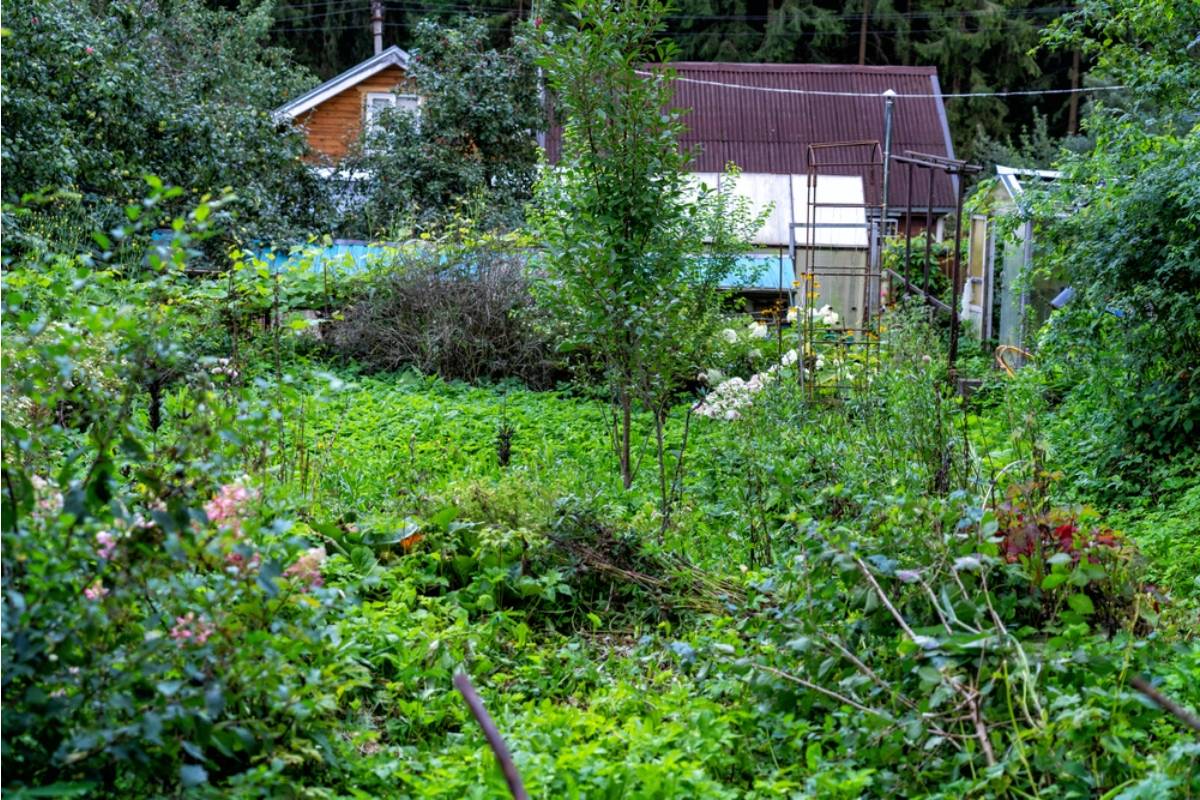
Instead of planting decorative flowers that required constant maintenance, Hannah researched native plants that could survive local conditions. She added wildflowers for pollinators, herbs near the kitchen door, and vegetables in raised beds along the back fence.
Her garden slowly became a mixture of colors, textures, and shapes. Some areas looked carefully planned, while others were designed to grow more naturally. Hannah enjoyed watching butterflies, birds, and bees return to her backyard.
To her, the garden was not messy. It was alive.
The Neighbor Who Preferred Perfect Lawns
Across the street lived Denise Carter, a homeowner who took great pride in her traditional landscaping. Her yard featured evenly trimmed grass, matching flower pots, and bushes shaped into precise forms.
Denise often spent weekends maintaining her property and believed every yard on the street should follow a similar appearance. She liked the neighborhood because everything looked clean and consistent.
When Hannah’s garden started expanding, Denise noticed immediately. She would slow down while walking past and study the plants growing near the sidewalk.
At first, Hannah assumed Denise was simply curious. She had no idea those observations would turn into years of criticism.
The First Comments About the Garden
The first disagreement happened when Denise stopped by while Hannah was planting native flowers near her front walkway. Denise looked at the collection of plants and asked if Hannah planned to organize them differently.
Hannah explained that the plants were intentionally mixed together because they supported each other and attracted beneficial insects.
Denise nodded but responded that she preferred gardens that looked “finished.” She said a yard should appear controlled and tidy, not like it was growing naturally.
Hannah politely explained that natural gardens could still be beautiful. She did not expect Denise to agree, but she hoped her neighbor would respect the difference.
Instead, the comments continued.
The Years of Unwanted Opinions
Over the next several years, Denise regularly shared her opinions about Hannah’s yard. She never caused a major confrontation, but her remarks became frustrating.
Whenever neighbors gathered outside, Denise occasionally mentioned that some properties needed more maintenance. Everyone knew she was referring to Hannah’s garden.
She once told Hannah that the wildflowers made the street look less organized. Another time, she suggested that adding more grass would make the home look more valuable.
Hannah usually responded calmly. She explained that she enjoyed gardening this way and that the plants served a purpose beyond appearance.
She eventually stopped trying to convince Denise and focused on enjoying her own space.
The Garden That Started Attracting Attention
While Denise remained unimpressed, other people began noticing Hannah’s work. Local gardening groups featured photos of her backyard, and nearby residents started asking questions about native plants.
Children walking through the neighborhood often stopped to look at the butterflies around her flowers. Some neighbors asked Hannah for advice about reducing water use and creating healthier soil.
Hannah never considered herself an expert. She simply shared what she had learned through years of experience.
The attention made Denise’s criticism stand out even more. Many people saw the garden as an example of creativity, while Denise still viewed it as something that did not belong.
The Problem That Appeared in Denise’s Yard
A few years later, Denise’s perfectly maintained yard began experiencing problems. Several sections of her grass struggled, and some of her decorative plants stopped thriving.
She replaced damaged plants and adjusted her watering schedule, but the issues continued. She became frustrated because she had always believed her landscaping approach was reliable.
One afternoon, Hannah noticed Denise examining her own yard while looking across the street at the garden.
Hannah did not mention anything. She remembered all the times Denise had criticized her methods and did not want to interfere.
However, Denise eventually approached her.
The Conversation Hannah Never Expected
Denise walked over one morning and asked Hannah a surprising question. She wanted to know how Hannah kept so many plants healthy without constantly replacing them.
Hannah explained that native plants were adapted to the environment and often required less maintenance once established. She talked about soil health, biodiversity, and choosing plants that naturally supported each other.
Denise listened carefully. It was the first time Hannah had seen genuine curiosity from her neighbor instead of criticism.
She admitted that she had been struggling with her yard and wanted to make some changes.
Hannah was surprised by the shift but appreciated that Denise was finally willing to learn.
The Request That Crossed a Line
A few days later, Denise returned with a notebook. She told Hannah that she wanted to redesign her entire front yard and asked if Hannah would create the plan for her.
Hannah was happy to share general advice, but then Denise added another request. She asked Hannah if she would design the landscaping for free because she considered them neighbors helping each other.
Hannah paused before answering. She remembered years of comments about her garden being unsuitable and felt uncomfortable being asked to provide hours of work without compensation.
She politely explained that designing an entire landscape required significant time and planning.
Denise seemed surprised because she assumed Hannah would be excited to help.
The Conversation About Respect and Value
Hannah decided to be honest with Denise. She explained that she loved helping people learn about gardening, but professional design work was different.
She reminded Denise that gardening knowledge came from years of studying, experimenting, and making mistakes. It was not something that appeared overnight.
Denise admitted she had never considered it that way. She said she always viewed Hannah’s garden as a hobby rather than something requiring expertise.
Hannah explained that hobbies could still involve valuable skills. She told Denise she was willing to answer questions, but creating a complete plan would require more commitment.
For the first time, Denise seemed to understand the effort behind the garden.
The Change That Happened Across the Street
Instead of becoming upset, Denise asked Hannah if she could help her choose a few native plants to start with. This time, she offered to pay for Hannah’s time.
The two women began working together on a smaller project. Hannah helped Denise replace some struggling plants with varieties better suited for the area.
The transformation was gradual. Denise did not completely abandon her traditional style, but she added sections where flowers could grow more naturally.
Her yard started attracting more wildlife, and she began enjoying the changes.
The Neighbor Who Finally Saw the Difference
As Denise’s yard improved, she started telling other neighbors about what she had learned. She admitted that she had misunderstood Hannah’s approach for years.
She said she once thought a garden needed to look controlled to be beautiful. Now she appreciated that different styles could serve different purposes.
Hannah appreciated the change, but she also valued the fact that Denise finally respected the work involved.
Their relationship improved because the conversation became about learning instead of judging.
The Street That Became More Diverse
Over time, other neighbors became interested in adding native plants to their own properties. Some asked Hannah for recommendations, while others experimented with smaller garden areas.
The street no longer looked identical from one house to the next. Each yard developed its own personality.
Denise’s home became one of the examples people discussed because it showed how changing an opinion could lead to something positive.
Hannah never expected her biggest gardening lesson to come from the person who criticized her the most.
The Lesson Hannah Took From the Experience
Looking back, Hannah realized that people often reject things they do not understand. Denise had spent years seeing the garden only from the outside and judging it by appearance.
Once she learned the reasoning behind it, her entire perspective changed.
Hannah also learned the importance of respecting her own skills. She was happy to help others, but she understood that her knowledge had value.
The garden remained exactly what she wanted it to be: a place filled with life, creativity, and purpose.
The biggest surprise was that the neighbor who once wanted the garden changed became the person who finally understood why it mattered.