Homeowner Says Her City Issued a Weed Violation for Her Front Yard, Then She Discovered the “Weeds” Could Be Replaced With a Native Pollinator Garden
A homeowner in a South Florida suburb was enjoying a yard that looked very different from the typical grass-covered lawns nearby. Instead of treating every unwanted plant as an enemy, the household wanted native wildflowers that could support butterflies and bees. That plan seemed harmless until a city violation notice arrived accusing the property of having too many weeds in the front yard.
The notice reportedly required the homeowner to have the weeds professionally treated, which was exactly the opposite of what the household wanted. They already had fire bushes and milkweed growing in the backyard, and butterflies had been making good use of them. Now the front yard had suddenly become a potential battleground between a homeowner’s idea of a useful landscape and the city’s definition of an acceptable lawn.
The Word “Weed” Became the First Problem
The homeowner quickly realized that the word “weed” might be doing a lot of work in the city’s complaint. If the city considered certain plants weeds, the homeowner wanted to know exactly which species were causing the violation. Without that information, it would be difficult to know whether the problem was genuinely invasive vegetation or simply plants that didn’t resemble a traditional lawn.
A response from a person suggested asking the city to identify the specific plants considered violations. That seemed like a simple request, but it could make a major difference in what happened next. If the plants were native species rather than prohibited vegetation, the homeowner might have an argument for keeping them without replacing the entire yard with conventional grass.
A Native Groundcover Offered a Possible Escape
One person suggested Mimosa strigillosa, a Florida-native lawn alternative that produces small flowers and can work differently from a conventional grass lawn. The suggestion immediately gave the homeowner another possibility if the city was willing to approve an alternative landscape. Instead of fighting the city’s rules head-on, the household could potentially design a yard that met the regulations while still providing benefits for pollinators.
The homeowner responded that they planned to check with the city first and then find a nursery if the alternative was permitted. That approach kept the household from spending money on plants only to discover later that they violated another landscaping rule. It also showed that the homeowner wasn’t simply refusing to maintain the property, but was looking for a different way to maintain it.
The Hedge Idea Entered the Conversation
Another response suggested creating a hedge of native shrubs along the front of the property. The basic idea was that a defined layer of shrubs could visually separate the more natural vegetation behind it from the street. A fence could serve a similar purpose if local rules allowed one.
The homeowner explained that the property sat on a corner lot, which made the idea more complicated. A hedge might interfere with visibility for drivers or pedestrians, and there could be additional restrictions on how tall or close to the road it could be. Still, the suggestion planted an important idea: sometimes changing how a landscape is framed can make a natural garden appear much more deliberate.
The Corner Lot Made Everything Trickier
Because the house was on a corner, the front yard had more visibility than a typical suburban property. That meant anything that looked untidy could potentially attract attention from multiple directions. The homeowner also mentioned that the yard was mowed every two weeks, suggesting the property wasn’t simply being abandoned to grow wild.
There was even a suspicion that the code inspector might have noticed other maintenance issues and then included the lawn violation during the same visit. Whether that suspicion was correct or not, the situation highlighted how easily a natural-looking yard can be interpreted as neglected. The homeowner therefore had an incentive to make the landscape look intentional without giving up the plants that made it valuable.
People Started Thinking Beyond Grass
Once the conversation moved away from conventional lawns, several people began suggesting ways to create a more designed appearance. Gravel paths, flagstones, mulch and clearly defined planting areas were among the ideas offered. The goal wasn’t necessarily to make the yard less wild, but to make the wildness appear planned.
One response from a person described a manicured approach that could resemble an intentional garden rather than an unmanaged meadow. That distinction could matter enormously in a neighborhood where people were accustomed to seeing uniform grass. A few carefully placed borders might convince observers that the homeowner had created a landscape rather than simply stopped mowing.
Even a Tiny Fence Could Change Perceptions
Another person suggested using inexpensive garden fencing to define a portion of the yard as a garden. The suggestion sounded almost comically simple, but others agreed that small fences could make a surprisingly large difference. A designated garden area immediately tells visitors that the plants inside it are there on purpose.
Another response described using a low fence, pavers and a pollinator-garden sign to create that same impression. The garden could then be arranged with shorter plants toward the street, medium-height flowers behind them and taller plants closer to the house. Suddenly, what might have looked like a collection of weeds could become a clearly designed pollinator garden.
The Homeowner Already Had One Advantage
The household wasn’t starting from scratch because the backyard already contained plants that attracted butterflies. Fire bushes and milkweed were apparently thriving, giving the homeowner firsthand evidence that the property could support useful habitat. The front yard simply needed to find a way to coexist with the expectations imposed by the city.
That made the situation more frustrating because the homeowner wasn’t trying to create an eyesore. They wanted a landscape that served a purpose beyond looking green from the street. The challenge was figuring out how to communicate that purpose through the design of the yard itself.
The City Needed to Explain Its Rules
Several responses emphasized the importance of finding out exactly what the local code allowed. A person pointed out that different cities can have very different definitions of acceptable vegetation and lawn height. Another suggested checking state resources and local agricultural or botanical authorities for guidance on native plants.
The homeowner admitted that they didn’t yet know precisely what the city’s restrictions were. They suspected the local rules were more restrictive than a simple maximum weed height. Before changing the landscape, they therefore needed to determine whether the city was objecting to particular species, vegetation height, overall appearance or some combination of those factors.
Native Plants Could Still Become a Bureaucratic Puzzle
One response warned that even native landscaping could become complicated if the local authority didn’t recognize what it was seeing. Another person described situations where bylaw assessors had mistaken native goldenrod for invasive ragweed. That meant simply planting beneficial species wasn’t necessarily enough to prevent misunderstandings.
The homeowner insisted that there were no invasive plants in the yard and planned to provide photographs. That could give the city a clearer picture of what was actually growing there. If the inspector had simply looked at an unfamiliar collection of plants and labeled them weeds, identification might become the key to resolving the violation.
A Florida-Friendly Design Offered Another Possibility
Another response suggested investigating recognition through a Florida-friendly landscaping program. If the property qualified, such recognition might provide some protection or flexibility regarding how the landscape was maintained. It offered the homeowner another possible route that didn’t require abandoning the idea of a more natural yard.
The suggestion also reinforced the importance of working with established local resources. Instead of relying entirely on opinions from neighbors, the homeowner could investigate programs, plant databases and local extension resources. That would make the argument for a native landscape much stronger if the city questioned the appearance again.
The Lawn Debate Became Surprisingly Funny
As more people joined the discussion, the conversation occasionally drifted away from practical landscaping advice. Someone jokingly suggested hiring goats to eat the unwanted plants and then declaring the resulting space a native pollinator area. The homeowner replied that the city didn’t even allow chickens and that the yard was too small for such an elaborate solution.
Other responses poked fun at the lack of sidewalks in the neighborhood, turning the conversation into a broader critique of suburban planning. Yet beneath the jokes was a serious point. A landscape can be judged not only by what grows in it, but by whether the surrounding community recognizes natural spaces as legitimate forms of landscaping.
The Homeowner Didn’t Want to Fight the City
Despite the frustration, the homeowner wasn’t looking for a confrontation. They repeatedly said they planned to contact the code inspector and determine what alternatives were available. The goal was to find something better than simply covering the entire front yard with St. Augustine grass.
That attitude gave the situation a more constructive direction. Instead of ignoring the violation or immediately ripping everything out, the homeowner could ask for specific requirements and then design around them. The yard could potentially remain useful to wildlife while also satisfying the city’s expectations.
The Wild Yard Needed a Little Structure
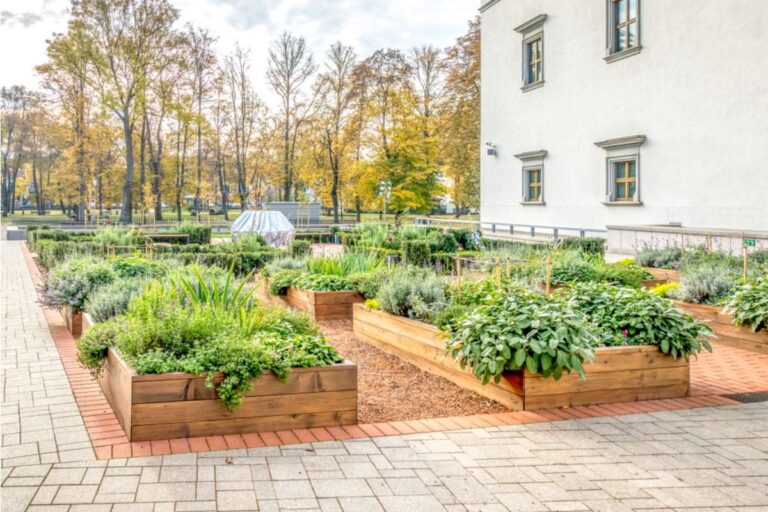
The most consistent theme from the responses was that appearance could be almost as important as plant selection. A completely informal collection of vegetation might be interpreted as neglect, while the same plants arranged inside defined beds could look intentional. Paths, mulch, edging, low fences and signs could all communicate that the homeowner had deliberately created a garden.
That was particularly important for a front yard facing a street. People passing by wouldn’t know the homeowner’s intentions simply by looking at individual plants. But they could recognize a designed garden when the plants were arranged in clear layers and surrounded by visible boundaries.
The Pollinators Had Already Cast Their Vote
The homeowner’s backyard offered the strongest argument for continuing with the project. Butterflies were already visiting the fire bushes and milkweed, showing that the landscape was providing something conventional turf would not. The front yard could potentially expand that habitat if the city allowed an appropriate design.
The homeowner wasn’t asking for permission to let the property become completely unmanaged. They wanted to replace a sterile grass-dominated landscape with something that supported wildlife and still looked cared for. The challenge was proving that a yard could be both ecologically useful and visually intentional.
Then the Meaning of “Weeds” Became the Twist
At first, the violation seemed to mean the homeowner had simply failed to maintain the lawn properly. But as the responses unfolded, a different possibility emerged: the real problem might not have been neglect at all. The city could have been reacting to plants it considered weeds without fully distinguishing between undesirable species and intentional native landscaping.
That changed the entire story. The homeowner didn’t necessarily need to choose between obeying the city and abandoning the pollinator garden. The more promising strategy was to identify exactly what the city objected to, document the plants, research permitted alternatives and redesign the yard so that its purpose was impossible to miss.
The Front Yard Might Become Even Better
What began as an annoying violation notice could ultimately push the homeowner toward a more carefully designed landscape. A native groundcover, structured planting beds, low borders, mulch and clearly marked pollinator areas could create something far more interesting than a standard grass lawn. The homeowner would still have to follow local rules, but the yard wouldn’t necessarily have to become a monoculture of turf.
The final lesson from the responses was surprisingly practical: don’t assume every plant labeled a weed actually has to disappear immediately. Find out what the rule says, identify the plants involved and determine which native alternatives the city will recognize.
The homeowner may have started the story worried that a code inspector was about to erase the yard’s personality, but the real twist was that the right design might allow the butterflies to keep their favorite neighborhood stop after all.