Some Home Gardeners Are Refusing to Tell Visitors What Certain Plants Are, And It’s Sparking Unexpected Arguments
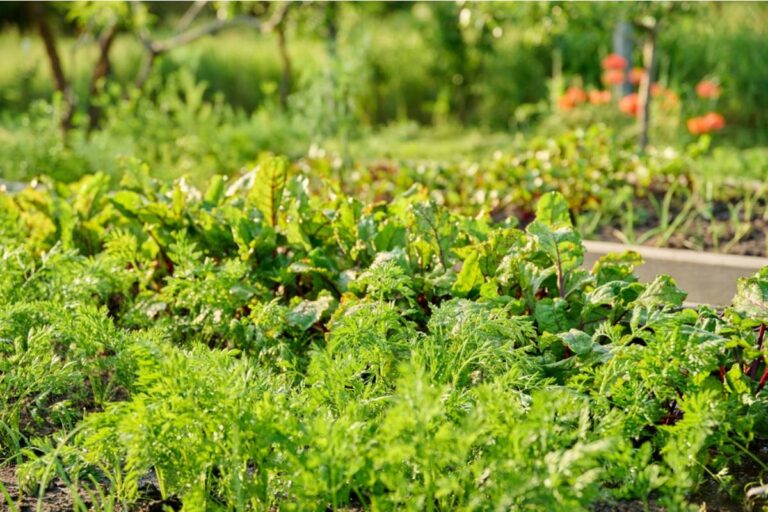
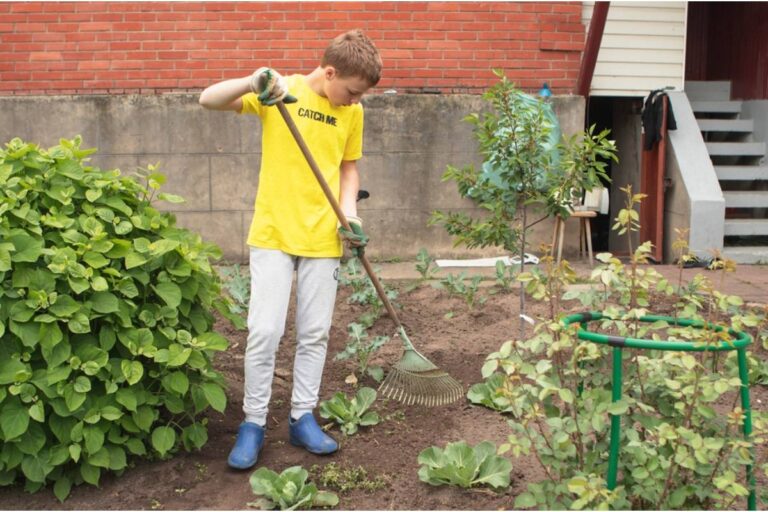
When Elaine Carter started her backyard garden in suburban Oregon, she never imagined that plant names would become a point of conflict. What began as a peaceful hobby filled with herbs, vegetables, and flowers gradually turned into something more complicated. Visitors would stop by, admire the greenery, and immediately ask what everything was called. At first, Elaine happily answered every question. But over time, she noticed that the conversations were shifting in a direction she did not enjoy. And eventually, she stopped answering altogether.
The First Question That Seemed Harmless
It started with a simple visit from a friend of a friend. The guest pointed at a leafy green plant and asked what it was called. Elaine answered without thinking, saying it was lemon balm. The guest nodded, took a picture, and moved on. Elaine thought nothing of it at the time.
A Pattern Begins to Form
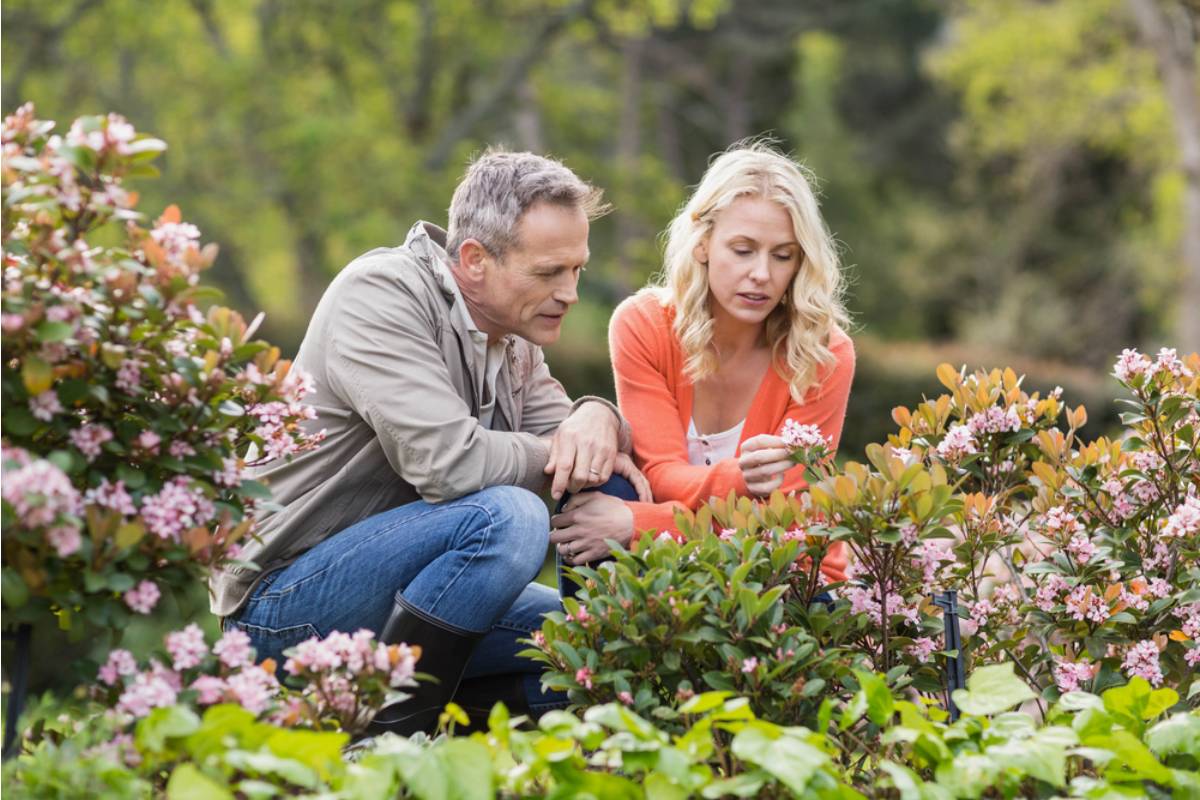
After that day, nearly every visitor asked for plant names within minutes of stepping into the yard. It became less about enjoying the space and more about collecting information. Elaine noticed people taking notes on their phones. Some even compared her garden to others they had seen online. The questions started feeling less casual.
The Unexpected Social Media Effect
A neighbor posted photos of Elaine’s garden in a local gardening group. The comments section quickly filled with plant identification requests. Elaine was not tagged in the post, but people began showing up at her gate anyway. They would reference the online discussion as if it were an invitation.
The First Refusal
One afternoon, someone asked the name of a rare flowering plant near her fence. Elaine hesitated and simply said, “I prefer to keep that one private.” The visitor looked surprised but moved on. Later that evening, Elaine wondered if she had been rude. She decided to wait and see if it happened again.
The Reactions Start Changing
Within a week, visitors began reacting differently when she declined to name plants. Some laughed it off. Others pressed further, insisting it was just a harmless question. A few even suggested that sharing plant names was part of the gardening community. Elaine felt increasingly uncomfortable.
A Conversation at the Fence
A neighbor leaned over the fence one morning and asked why she was being secretive. Elaine explained that she simply wanted to enjoy her garden without turning it into a catalog. The neighbor responded that gardening was meant to be shared knowledge. The conversation ended politely, but the tension lingered.
Visitors Start Coming Prepared
Soon, people arrived with notebooks and plant apps already open. They would point at specific areas of the garden and ask rapid questions. Elaine noticed that some visitors barely looked at the flowers themselves. They were more focused on identification than appreciation. It started to feel transactional.
A Misunderstanding Spreads
One visitor told others that Elaine was “protecting rare plants for personal reasons.” That was not true, but the idea spread quickly. More people came specifically to find out what she was “hiding.” Elaine began hearing whispers during visits, as if her garden had become a puzzle to solve.
The Argument Over a Single Plant
A disagreement broke out when someone insisted a certain plant was illegal to grow without knowing its species. Elaine corrected them, but the visitor challenged her knowledge. Others joined the discussion. What was meant to be a peaceful visit turned into a debate at her garden path.
Elaine Draws a Clear Line
After that incident, Elaine decided she would no longer identify any plants for visitors. She explained her decision calmly, saying she wanted the focus to be on the experience, not labels. Some people understood. Others were visibly annoyed. A few left early without saying goodbye.
The Garden Feels Different
Without the constant questioning, visits became quieter. Some neighbors stopped coming altogether. Others still came but avoided asking questions. Elaine noticed that people seemed unsure how to interact with the garden now that the “information layer” was gone.
A Neighbor Pushes Back
One regular visitor finally confronted her directly, saying it felt unfair to withhold information in a shared community space. Elaine responded that it was her private property. The conversation ended without agreement. Both walked away frustrated.
Online Discussions Escalate Again
A new post appeared in the same gardening group, questioning whether gardeners should be required to share plant information. Elaine’s name was not mentioned, but everyone knew who it referred to. The comment section quickly split into two sides. Some supported her boundaries. Others disagreed strongly.
A New Kind of Visitor
After the controversy, a few visitors began arriving just to “test” whether she would refuse identification. They would point at common plants and ask obvious questions. Elaine started limiting conversations at the gate. The garden itself became secondary to the arguments it generated.
The Decision to Stop Hosting Visitors
Eventually, Elaine placed a small sign near the entrance stating that the garden was no longer open for informal tours. She still tended her plants daily, but she stopped allowing walk-through visitors. The decision was not made out of anger, but exhaustion. She simply wanted her garden back.
What Remained After the Debate
Over time, the visits stopped and the arguments faded. The plants continued to grow without commentary or identification requests. Elaine still enjoyed her garden, but now it was private in a way it had not been before. And she learned that sometimes even simple curiosity can change the meaning of a shared space.