Gardener Says a Local Elementary School Used Her Garden for a Field Trip Without Ever Contacting Her or the Family Who Lives There
For years, Karen’s backyard garden had been a quiet place where she grew vegetables, taught her grandchildren about plants, and enjoyed peaceful mornings. The carefully designed space had become one of the most recognizable gardens in her neighborhood, but she never expected it to become the center of attention for an entire elementary school.
One afternoon, she discovered dozens of children exploring the garden while teachers treated it like a planned destination. What happened afterward forced the school, the neighborhood, and Karen’s family to rethink where the line between appreciation and permission truly belonged.
The Morning the Backyard Was Suddenly Full of Children
Karen first noticed something unusual when she heard laughter coming from behind her garage. She assumed a group of children from the nearby park had wandered into the alley, but when she stepped outside, she saw students wearing matching school shirts walking between her garden beds.
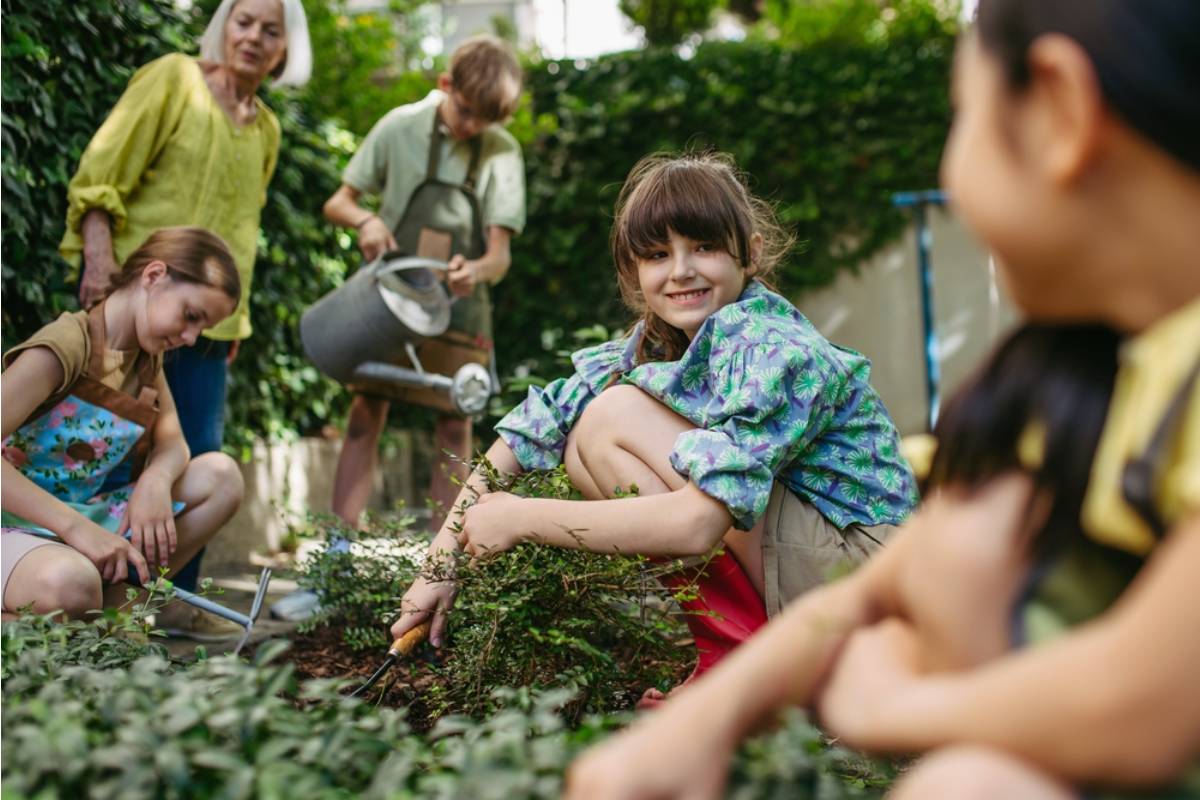
Several teachers stood nearby holding clipboards while children carefully examined flowers, vegetables, and insects. At first, Karen thought she was seeing a school activity somewhere else, but then she realized the students were standing inside her own fenced backyard.
She froze for a moment, unsure whether she should be angry or simply confused.
The Garden Had Always Been a Private Project
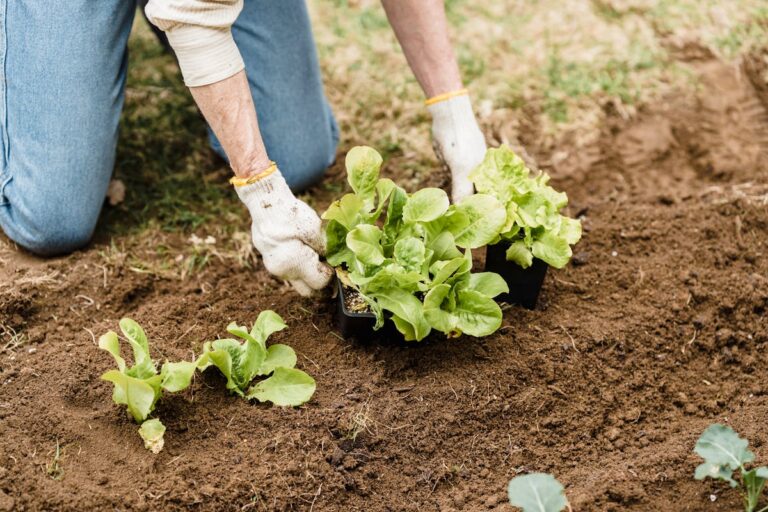
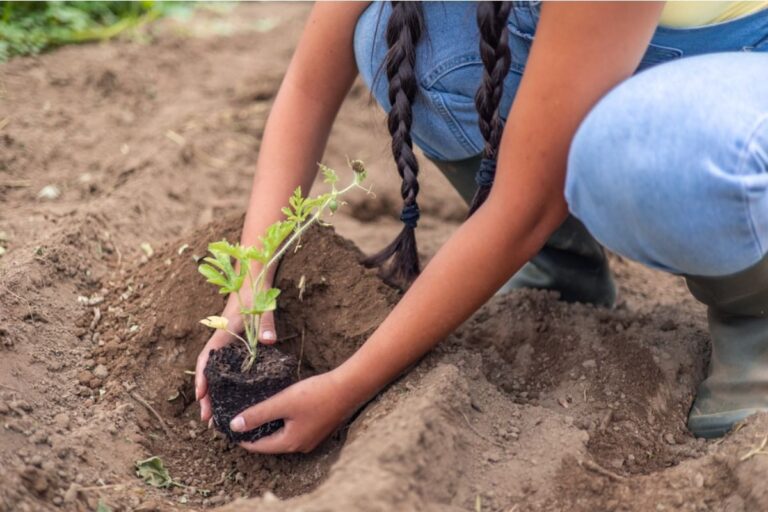
Karen had spent almost fifteen years building the garden from an empty patch of grass behind her home. She designed raised beds, planted native flowers, added small pathways, and created sections specifically for vegetables, herbs, and pollinator plants.
Neighbors often complimented the garden when walking past her property, and Karen occasionally shared extra produce with people nearby. However, she had never opened it for tours or public visits.
The garden was special because it was personal, not because it was a public attraction.
The Children Were Excited by Everything They Saw
Despite her confusion, Karen noticed how interested the students were. They carefully touched leaves only after asking their teachers, and many of them carried notebooks filled with drawings and questions.
One child pointed toward a tomato plant and said, “I didn’t know tomatoes grew like that.”
Another student proudly explained that she had planted seeds at home because of the class lessons.
Seeing their excitement made Karen hesitate before interrupting the visit. She appreciated that the children were learning, but she still wondered how they had entered her property without anyone asking.
The Teachers Were Surprised to Meet the Homeowner
After a few minutes, one teacher approached Karen and introduced herself as Mrs. Peterson. Her expression changed when she realized Karen actually lived there.
“Oh, you must be the garden volunteer,” she said.
Karen politely explained that she was not a volunteer and that nobody had contacted her about the visit.
Mrs. Peterson immediately looked concerned. She explained that the class had been told the garden was available for educational visits, but she admitted she did not know who had arranged it.
A Miscommunication Created the Entire Problem
The school believed the garden belonged to a neighborhood environmental group because of information shared during a previous community event. A parent volunteer had apparently mentioned Karen’s garden while discussing local green spaces, but somewhere along the way, the details became confused.
Nobody had intentionally ignored Karen.
The problem was that several people assumed someone else had received permission.
By the time the misunderstanding was discovered, an entire class had already arrived.
Karen Learned Someone Had Shared Photos Online
Later that afternoon, Karen searched through local community pages and discovered photos of her garden posted by a parent. The pictures showed students walking through the beds, examining plants, and sitting near her small greenhouse.
The post described the location as a “community learning garden.”
Karen felt uncomfortable seeing her private property represented that way. She was not upset that children enjoyed the space, but she worried that more people might assume they could visit whenever they wanted.
The Neighborhood Had Different Opinions
When the story spread among neighbors, reactions were mixed. Some thought Karen should feel honored that her garden inspired children. Others agreed that entering someone’s property without permission was a serious mistake.
One neighbor told her, “If people admire your garden, that’s wonderful. But admiration doesn’t mean they can just walk in.”
Another neighbor suggested that Karen consider hosting official garden visits because the school clearly saw value in what she had created.
Karen appreciated the encouragement but wanted time to decide.
The School Principal Came to Apologize
A few days later, the elementary school principal, Mr. Wallace, visited Karen’s home. He arrived with a written apology and explained that the school had reviewed what happened.
“We should have confirmed everything directly with you,” he said.
Karen appreciated that he did not make excuses. She explained that her biggest concern was not the children visiting but the lack of communication beforehand.
The principal agreed that the mistake came from assuming rather than asking.
A Conversation Changed the Future of the Garden
During their discussion, Mr. Wallace asked whether Karen would ever consider working with the school officially. He explained that many students had become interested in gardening after the unexpected visit.
Karen initially hesitated.
She had spent years protecting the garden as her personal retreat. She worried that turning it into an educational space would change everything she loved about it.
But she also remembered the children’s excitement and curiosity.
A Small Trial Visit Was Planned
Instead of opening the garden permanently, Karen agreed to one scheduled visit with a smaller group of students. This time, everything was planned carefully.
Teachers contacted her in advance. Parents received information. Students were taught garden rules before arriving.
Karen prepared simple activities, including identifying herbs, examining compost, and learning how insects helped plants grow.
The second visit felt completely different because everyone understood their role.
The Students Left Something Behind
At the end of the official visit, the students surprised Karen with handmade signs and painted garden markers. Each child had written something they learned during the trip.
One sign read, “Plants need care just like people.
Another said, “Small gardens can teach big lessons.
Karen placed the signs near her greenhouse, where they remained visible from the backyard path.
The Garden Became a Shared Lesson
Over the next year, Karen hosted occasional school visits but kept strict limits. The garden was never treated as a public park, and every visit required planning.
The school also used the experience as a lesson about respect and permission. Teachers explained to students that even beautiful places belong to someone and should be entered only with approval.
The original mistake became an example of how excitement can sometimes move faster than responsibility.
Karen Found Meaning in the Unexpected Change
Looking back, Karen admitted she was still surprised by how everything happened. She never planned to become part of a school program, and she certainly never expected to discover children exploring her backyard without warning.
However, she also recognized something important.
Her garden had always been about sharing knowledge, even if she never imagined sharing it this way.
The difference was that sharing worked best when everyone involved respected each other’s boundaries.
The Garden Continued Growing With New Purpose
Years after the unexpected field trip, Karen still maintained her garden the same way she always had. She continued planting vegetables, caring for flowers, and enjoying quiet mornings among the plants.
But now, a few times each year, groups of students arrived after proper arrangements were made. They came prepared with questions, notebooks, and curiosity.
The garden that once represented a private passion became something more without losing what made it special. Karen never forgot the day strangers walked into her backyard, but she also never forgot what happened afterward. A mistake led to a conversation, the conversation led to understanding, and understanding created a partnership that benefited everyone.