Gardener Says She Spent Years Building Up Her Soil With Compost, Then a Neighbor’s Landscaper Tilled in Construction Debris While “Helping” Without Asking
She had spent years turning compact, lifeless yard soil into something rich enough to grow heirloom tomatoes and delicate herbs that usually struggled in suburban clay. Every season she added compost, mulch, and carefully rotated crops like she was following a quiet ritual. Neighbors often commented on how unusual it was to see such a thriving garden in that part of town. She kept records, tested pH, and treated the soil almost like a long term investment. So when something started changing in the beds, she noticed immediately.
Soil She Built From Scratch Gets Its First Warning Signs
The first sign was subtle, just a few plants leaning in ways they never had before. Leaves that used to stand upright began curling slightly at the edges. She assumed it might be a nutrient imbalance and adjusted her compost mix. Nothing improved, and the change seemed to spread from one section of the garden to another. It felt less like seasonal stress and more like something was interfering beneath the surface.
The Afternoon the Neighbor’s Crew Showed Up Unannounced
One afternoon, she noticed a landscaping truck parked next door with workers moving equipment through the side yard. No one had mentioned any project to her, which immediately felt off. The crew was tearing out old sod and reshaping the neighbor’s backyard beds. She watched from her kitchen window as they moved quickly and without much discussion. By the time she stepped outside, they were already near the shared fence line.
The Moment She Realized Something Was Wrong in the Beds
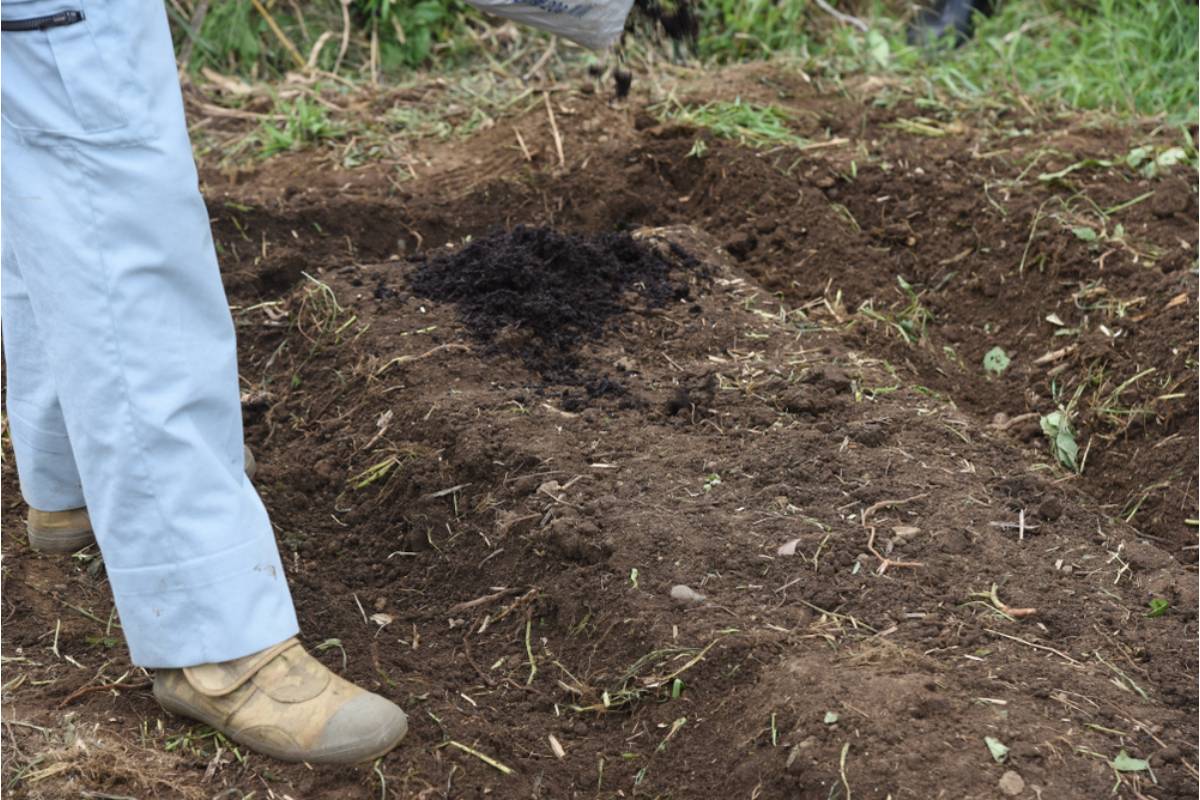
Later that day, she walked along her garden rows and noticed soil that looked strangely mixed. The surface texture had changed, as if heavier material had been stirred into her carefully layered compost. Some areas felt compacted in a way that did not match her irrigation pattern. She knelt down and found small fragments of brick and dry concrete bits near the root zone. That was the first moment she suspected the soil had been disturbed from outside her property.
Pulling Back Mulch Reveals the Hidden Debris
She pulled back mulch from one of the raised beds and found more construction material hidden underneath. Small gravel pieces and sandy clumps were embedded deeper than normal garden disturbance would explain. It looked like something had been tilled into her soil rather than accidentally dropped. Her stomach tightened as she traced the pattern closer to the fence line. The damage was not random and it was not natural.
A Confrontation at the Fence That Goes Sideways
She went straight to the fence while the crew was still working and asked who had been near her garden beds. One of the workers shrugged and said they were just following instructions from the neighbor. When she asked if anything had crossed into her yard, the responses became vague and defensive. The neighbor eventually came over, insisting it was all part of leveling the shared border area. The conversation ended with no agreement and a growing sense of frustration on both sides.
The Landscaper’s Unexpected Explanation
The next day, she spoke directly with the lead landscaper who had overseen the work. He admitted they had been trying to speed up the grading process by working close to the fence line. In doing so, some of the debris from an old patio base had been mixed into the soil near her garden. He insisted it was not intentional but acknowledged it should have been contained. The explanation did little to ease her concern about what had already been buried.
A Second Opinion From a Local Master Gardener
Unsure what to believe, she invited a local master gardener to inspect the beds. After examining the soil structure, he pointed out inconsistencies in layering and compaction. He explained that construction material in garden soil can disrupt root oxygen flow and microbial life. He also noted that recovery would take time even if everything was removed immediately. His assessment confirmed that the problem was more serious than simple surface contamination.
The Soil Test Results That Change the Tone
She sent samples to a lab to understand the extent of the issue. The results came back showing elevated levels of inert material and disrupted organic balance. While not toxic, the soil quality had clearly been compromised. The findings gave her something concrete to bring back to the neighbor and the landscaper. What had been a suspicion now had scientific backing.
Plants Begin Dying Faster Than Expected
Within weeks, some of her most established plants started collapsing. Tomato vines that had produced for seasons suddenly wilted without warning. Root systems in several beds showed signs of stress and poor absorption. She removed one plant after another, realizing the damage was spreading deeper than expected. The garden that once felt stable now felt unpredictable and fragile.
HOA Complaint Forces Everyone Into the Same Room
She filed a formal complaint with the neighborhood association, which led to a meeting between all parties. The landscaper, the neighbor, and she all sat through a tense discussion about what had happened. The landscaper admitted again that debris management had been rushed to meet project deadlines. The neighbor shifted between frustration and apology, unsure how to respond. The HOA asked for a remediation plan to prevent further harm.
The Landscaper Admits a Cost-Cutting Decision
In a follow up conversation, the landscaper revealed that skipping proper soil separation had saved time and labor costs on the project. He admitted that hauling debris separately would have slowed the job significantly. That admission changed the tone completely, turning the issue from accident to negligence. The neighbor seemed visibly surprised, realizing the decision had consequences beyond his property. Responsibility was no longer something that could be easily avoided.
A Plan to Rebuild the Garden From Zero
Eventually, all parties agreed on a remediation approach that involved removing contaminated soil near the fence line. Fresh soil and compost would be brought in to restore the affected beds. She began planning which sections could be saved and which needed complete rebuilding. The process felt overwhelming, but at least it was structured. For the first time in weeks, there was a clear direction forward.
The First Signs of Recovery in the Beds
After the cleanup and soil replacement began, she noticed small improvements returning to the garden. New seedlings showed stronger root development than the previous damaged growth. The soil smelled richer again, closer to what she had built over years of effort. It was still early, and nothing was fully restored, but the direction was positive. For the first time since the incident began, she felt like the garden might eventually belong to her again.