Some Home Gardeners Are Leaving Fallen Fruit on Purpose to Attract Wildlife, And It’s Dividing Opinions on Pest Control
Some home gardeners are intentionally leaving fallen fruit on the ground to attract wildlife, and what started as a simple nature-friendly practice has now turned into a debate about pest control, balance, and responsibility in home gardens.
The Idea Started From Observing Nature
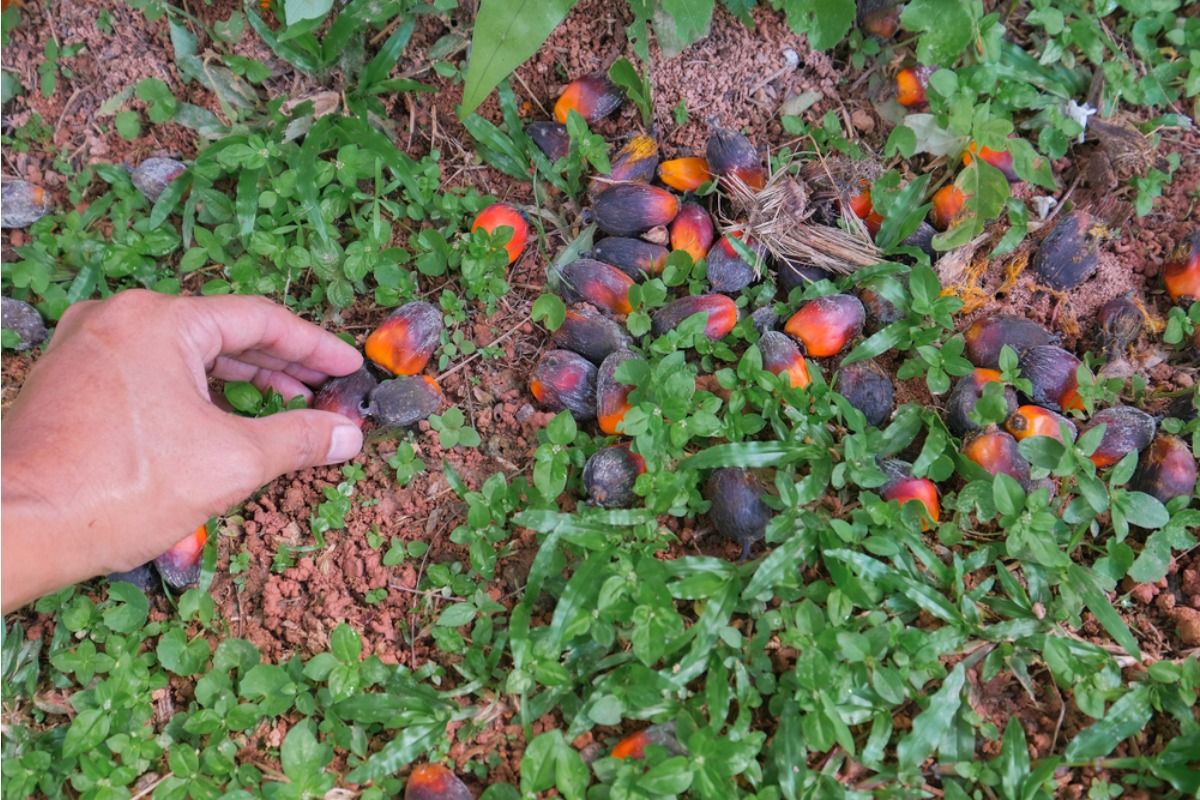
The practice began with gardeners noticing how fallen fruit naturally attracted birds, insects, and small animals. Instead of clearing everything immediately, some decided to leave it in place. It felt like a way to support local wildlife. And reduce garden waste. The approach seemed simple and natural at first.
Wildlife Visits Increased Quickly
Once the fruit was left on the ground, animals began appearing more frequently. Birds, squirrels, and other small creatures became regular visitors. For many gardeners, this was exciting. It made the garden feel more alive. And connected to the surrounding environment.
Garden Cleanup Habits Changed
Traditionally, fallen fruit is removed quickly to prevent decay and pests. But in these gardens, that routine changed. Cleaning became less frequent. The ground was allowed to stay more natural. This shift created a very different garden environment. And a new kind of balance.
Some Gardeners Saw Clear Benefits
Supporters of the practice say wildlife helps control other pests naturally. Birds and insects can reduce harmful insect populations. The presence of animals also improves biodiversity. For them, leaving fruit is part of a healthier ecosystem. And a more sustainable garden approach.
Others Noticed Pest Problems Increasing
Not everyone had the same experience. Some gardeners reported more unwanted pests, including flies and rodents. Rotting fruit sometimes attracted more than just beneficial wildlife. This created new problems in garden maintenance. And led to frustration for some.
Fruit Decay Became a Point of Concern
Leaving fruit on the ground means it naturally begins to rot. This process can affect soil and surrounding plants. In some cases, it creates strong odors or spreads mold. These effects made some gardeners reconsider the practice. Especially in smaller or enclosed gardens.
Neighbors Had Different Reactions
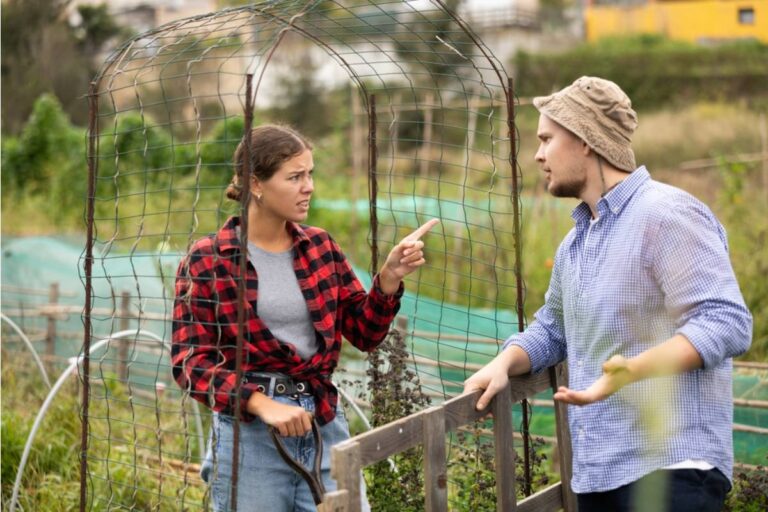
In shared or nearby gardens, opinions often clashed. Some neighbors enjoyed the increased wildlife activity. Others disliked the presence of pests and smells. What worked in one garden didn’t always suit another. And that created tension in some communities.
Pest Control Strategies Became More Complex
Gardeners who continued the practice had to adjust their pest control methods. They started combining wildlife attraction with careful cleanup schedules. Some limited how much fruit they left out. Others designated specific areas for it. The system required more planning than expected.
The Balance Between Nature and Maintenance
The debate often comes down to balance. Supporting wildlife is appealing, but so is maintaining a clean, controlled garden space. Finding the middle ground is not easy. Each garden behaves differently. And each gardener has different priorities.
Seasonal Changes Affect the Outcome
The results also vary depending on the season. In warmer months, decomposition and pests increase more quickly. In colder periods, the impact is reduced. This makes the practice less predictable. And harder to manage consistently year-round.
A Practice Still Dividing Gardeners
In the end, leaving fallen fruit for wildlife remains a debated approach. Some see it as a step toward natural gardening. Others view it as a source of unwanted pests. And most gardeners continue adjusting their methods to find what works best for their own space.