A Gardener Thought Her Dead Lemon Tree Pot Was a Total Loss, Until a Dragonfly Showed Up and Started Cleaning Up the Pests She Had Battled All Season
A person shared his story about trying to grow a thriving garden on a small apartment patio in an urban desert environment, where beneficial insects seemed almost impossible to find. The previous growing season had turned into a frustrating battle against aphids, whiteflies, and thrips, with ants even appearing to farm the aphids on his plants. Despite his best efforts, the pests kept returning, leaving him spraying neem oil and soap solutions almost every other day.
For a gardener with limited space, the situation was especially discouraging because every pot mattered. Without enough natural predators to help control the insects, protecting the plants had become an exhausting routine rather than an enjoyable hobby. What he needed was a way to make his little garden work with nature instead of fighting an endless battle against it.
The Gardener Tried Everything to Control the Infestation
The pest problem was not limited to a few unlucky leaves. Aphids, whiteflies, and thrips were spreading across the plants, and the gardener felt as though he could never get ahead of them. The repeated spraying was becoming difficult to maintain, particularly in a setting where beneficial insects rarely seemed to visit.
He had been trying to manage the infestation with organic pest-control methods, but even those treatments required constant attention. Every time he thought he had made progress, another round of unwanted insects threatened his plants. Eventually, he began looking for ways to encourage natural predators to establish themselves on his patio.
A Two-Month Trip Changed the Fate of One Lemon Tree
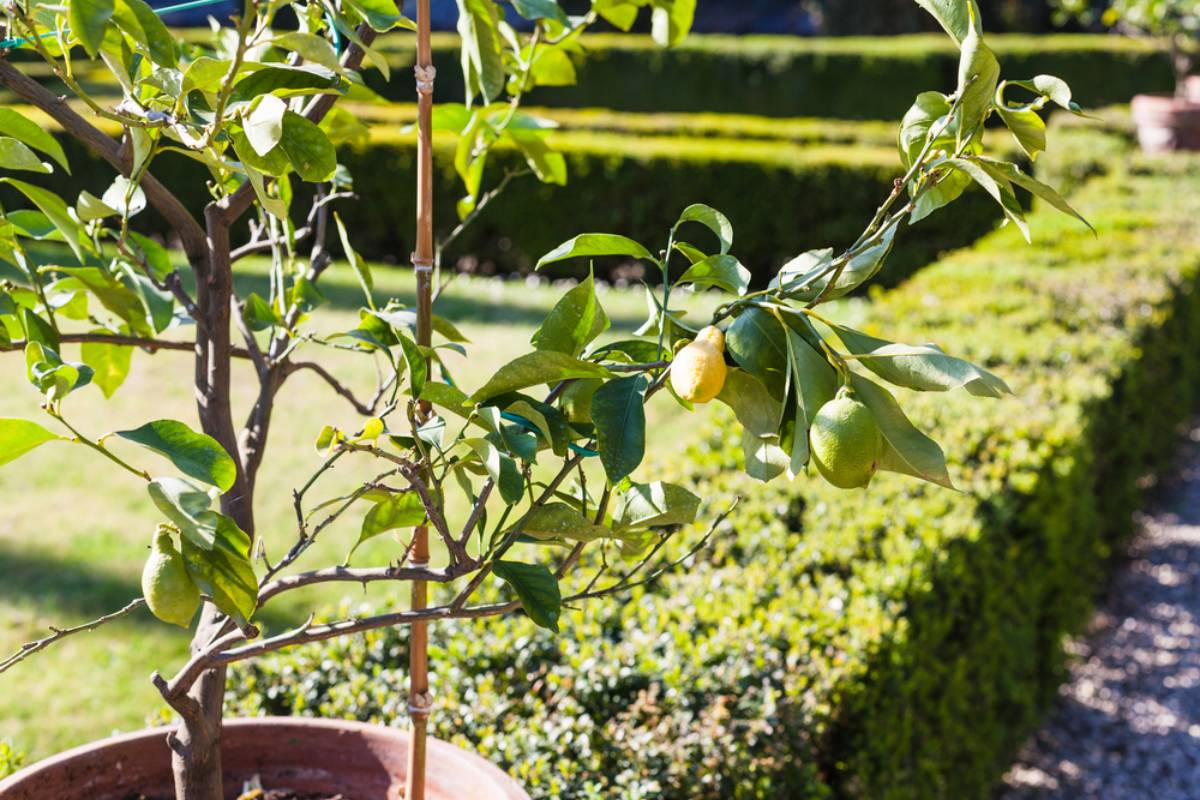
Then life interrupted the gardening project when the owner had to travel for two months. During his absence, a lemon tree growing in a pot unfortunately died, leaving behind what looked like a failed planting experiment. Volunteer dill, other herbs, and a patch of wild grass had also grown in the container before the soil dried out for an extended period.
When he returned, the pot seemed destined for the compost pile. The dead tree had no obvious future, and the remaining growth had suffered from the lack of water. Yet what initially looked like a gardening disappointment would soon turn into an unexpected opportunity.
The Forgotten Pot Became a Surprise Wildlife Habitat
While checking on his plants, the gardener noticed something remarkable near the neglected container. A dragonfly was perched nearby, and several spiders had also established themselves on neighboring plants. The discovery made him reconsider whether the apparently useless pot might actually be providing shelter for insects that could help his garden.
Instead of immediately removing everything, he began wondering whether the combination of grass, stems, and other plant material had created a useful habitat. He had previously received advice about using pots planted with native grasses to attract beneficial insects. Now, with actual visitors appearing on his patio, the idea seemed much more promising.
One Dragonfly Changed How He Viewed His Garden
The dragonfly was particularly encouraging because it appeared in a garden where natural pest predators had previously been scarce. Its quiet arrival suggested that even a small outdoor space might offer opportunities for wildlife if the conditions were right. The gardener began to wonder whether the answer to his pest problem was not another spray bottle but a more welcoming environment for beneficial insects.
He had originally seen the dead lemon tree as a setback that needed to be cleared away. Now, the container seemed like a possible starting point for a different approach to gardening. Rather than treating every struggling plant as a failure, he began considering what the space could provide for the wider ecosystem.
The Gardener Decided Not to Throw the Pot Away
Before spotting the dragonfly, the gardener had planned to remove the remaining material and compost it before planting something new. The visit changed his mind, and he decided to leave the pot in place while exploring its potential as an insect habitat. It was a small decision, but it marked a major shift in how he approached the patio garden.
The container no longer needed to be judged solely by whether it could grow a healthy lemon tree. It might also offer shelter, hunting opportunities, or useful plant growth for the insects that visited the area. Instead of starting over immediately, the gardener chose to observe what happened when nature was given a little more room.
Aphids Appeared on a Struggling Dill Plant
The next discovery came from a dill plant that was already in poor condition. Aphids had gathered on its stems, presenting the gardener with a familiar dilemma: remove the affected plant before the insects spread, or leave it alone and see whether natural predators arrived. In previous months, he might have reached for a spray bottle without hesitation.
This time, however, he noticed that the aphids had not spread to the other plants. The ants also did not appear to be actively farming them at that moment, making the situation seem less alarming than the previous season’s infestation. Rather than immediately destroying the aphid-covered plant, he decided to wait and see whether the local wildlife would respond.
A Spider Web Offered Another Reason to Wait
Nearby, the gardener spotted a spider web containing trapped insects. That small detail strengthened his suspicion that the patio was already attracting creatures capable of hunting other bugs. Instead of treating every insect as an enemy, he began thinking about how the different inhabitants of his garden might interact.
Leaving the dill alone was not a guarantee that the aphids would disappear or that the plant would recover. Still, the gardener wanted to find out whether natural predators could help keep the population under control. His decision reflected a new willingness to observe the garden before intervening, especially when the damage had not yet spread.
The Dragonfly Delivered an Unexpected Surprise
The most encouraging development came when the gardener later checked the dill again. He reported seeing the dragonfly perched on the aphid-covered stalk, and when he returned to inspect the plant, there were almost no aphids left. The dragonfly had moved on, leaving behind a result that made the gardener rethink his entire approach to pest management.
Although one observation cannot prove that the dragonfly alone removed every aphid, the timing was striking. The gardener had been struggling with repeated infestations and frequent spraying, yet this time the affected plant appeared to have improved without another treatment. The unexpected visit gave him a reason to keep experimenting with a garden designed to welcome wildlife.
More Spiders Began Appearing Around the Patio
The dragonfly was not the only encouraging sign. The gardener also noticed that more spiders were appearing around his plants after he stopped using the organic pesticide sprays. He reported that the overall pest situation seemed calmer than it had been during the previous growing season.
That observation made the experiment even more interesting. Instead of focusing entirely on eliminating pests, he was beginning to notice the predators that might help keep their numbers in check. His small patio was starting to feel less like a constant battle and more like a developing ecosystem.
The Gardener Planned to Fill Empty Pots With Flowers
With his confidence growing, the gardener decided to plant the neglected container with herbs and flowers rather than discard it. He also planned to fill unused spaces in his other pots with flowering plants, including marigolds and zinnias. The goal was to create more opportunities for pollinators and predatory insects to visit and potentially remain on the patio.
The plan made practical sense as an experiment, but the choice of flowers would soon introduce another question. Not every flowering plant provides the same benefits to every pollinator, particularly when the goal is to support wildlife native to a particular region. The gardener was about to discover that attracting insects could involve more than simply adding colorful blooms.
He Asked Whether Flowers Should Share a Pot With Herbs
One of the gardener’s main questions was whether flowers should be planted directly in the same container as the herbs or placed in separate pots nearby. He wanted to create a welcoming environment for beneficial insects without accidentally disturbing the visitors that had already appeared. He also wondered whether watering the dried-out pot would discourage insects from using it as a habitat.
These were reasonable concerns for someone gardening in a limited space. Containers can dry out quickly in hot environments, and plants sharing a pot must compete for the same water and growing room. By asking these questions before making more changes, the gardener was trying to balance the needs of his plants with the needs of the wildlife he hoped to attract.
A Simple Watering Hole Became Part of the Plan
The gardener had also read about creating a small watering hole for insects, using a shallow dish or plate of water. He wanted to know whether such a feature would help provide the resources visiting insects needed. In a desert environment, even a small source of water can seem like an appealing addition to a wildlife-friendly patio.
However, a water dish needs to be designed carefully so insects can reach the water without drowning. Adding pebbles or other safe landing surfaces and refreshing the water regularly can make a shallow dish more useful. The gardener was exploring how small changes could turn a collection of pots into a more supportive environment for wildlife.
A Response From a Person Challenged His Flower Choices
The gardener’s plan to grow marigolds and zinnias did not receive universal approval. A response from a person argued that these flowers were not good choices for native pollinators and suggested that gardeners should pay closer attention to the needs of their local ecosystems. The advice introduced an important distinction between planting flowers that attract some insects and selecting plants that best support native wildlife.
The gardener explained that he had assumed any flowering plant was better than having no flowers at all. He had chosen marigolds and zinnias largely because he already had seeds available, rather than following a specific recommendation for his region. He was also gardening in Egypt, where he acknowledged that he did not yet know which flowering species were native to his particular area.
The Real Lesson Was Bigger Than One Beneficial Bug
The story began with a dead lemon tree, a neglected pot, and a gardener who had grown tired of fighting recurring pest infestations. It took an unexpected dragonfly visit to make him reconsider the value of leaving some space for nature to do its work. The apparent failure of one container had become an opportunity to observe predators, rethink pesticide use, and experiment with a more wildlife-friendly approach.
The gardener’s experience also highlighted why identifying local plants and insects matters. Beneficial predators can help control pests, but they do not always distinguish between insects gardeners consider harmful and those they want to protect, and not every ornamental flower offers equal value to native wildlife. His patio experiment was still developing, but the unexpected change in the aphid-covered dill had already given him a compelling reason to keep learning.
For gardeners facing similar problems, the takeaway is not to abandon pest management altogether. It is to identify insects before removing them, avoid unnecessary pesticide use, and provide suitable flowers, shelter, and water when appropriate for the local environment. Sometimes, a garden’s most promising new beginning arrives in the very pot its owner was about to throw away.