Homeowner Says Her Landlord’s Father Took Over the Garden, Locked Away Her Tools, Then Created a Catch-22 Over a Fence for Her Toddler
When a family moved into their rental home, the garden came with something unusual: a very involved unofficial gardener. Their landlord’s father had spent years caring for the outdoor space and had become deeply attached to it. The tenants were genuinely grateful for the help and considered him an important part of life around the property.
For a long time, nobody seemed particularly bothered by the arrangement. The garden was maintained, the older man had something he enjoyed doing, and the tenants benefited from his experience. But eventually, his health made it impossible for him to continue managing everything himself, and the family decided it was time to take over.
The Family Wanted to Redesign the Garden
The tenants saw the change as an opportunity rather than a problem. They wanted to remove dead branches, cut back overgrown bushes, improve security, and create more open lawn space where their young son could safely play. It was not an attempt to destroy the garden but to make it practical for the people actually living there.
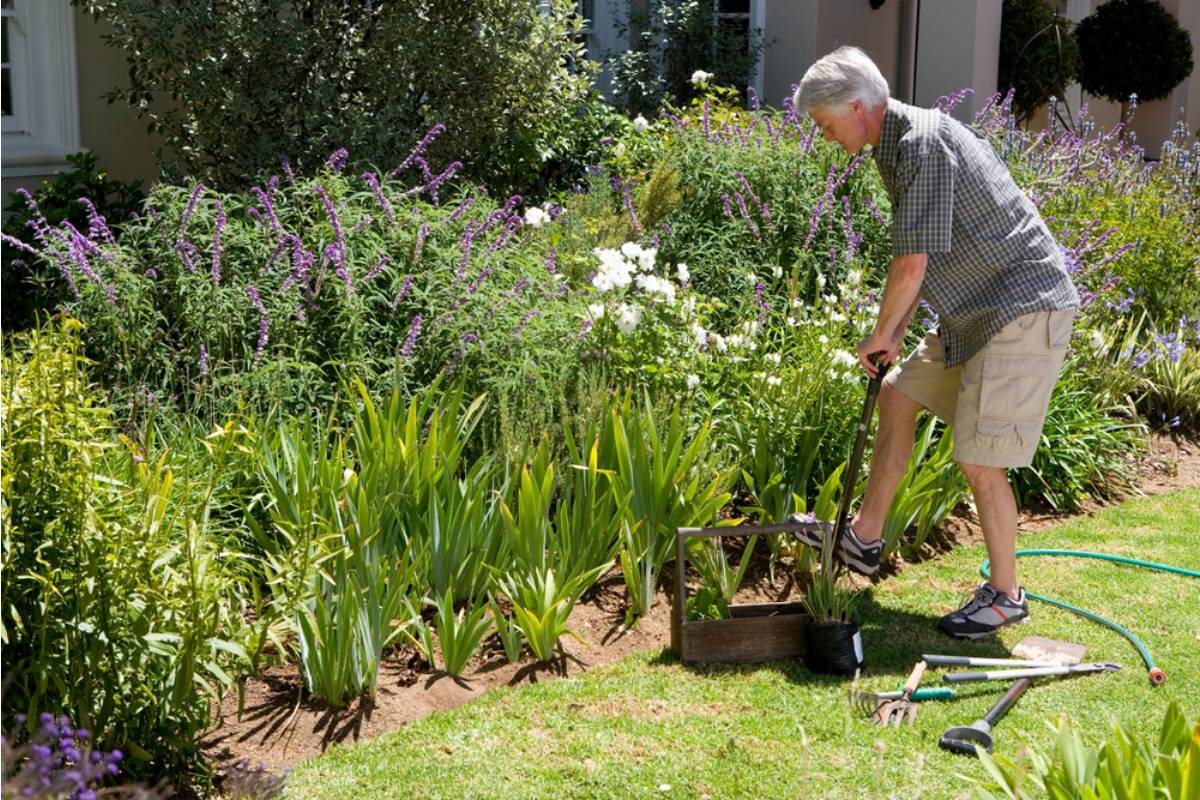
They began tackling the work themselves, even purchasing gardening equipment so they could maintain the property properly. Dead sections of trees were removed, bushes were cut back, and an attempt was made to grow new grass. Unfortunately, several intense heatwaves destroyed their first effort before the lawn could establish itself.
Two Days of Gardening Changed Everything
During the school holidays, the family managed to dedicate two full days to the garden with help from the husband’s parents. They cleared a significant amount of growth and finally felt that the outdoor space was beginning to look manageable again.
They even left some cut wood out to dry before eventually burning it in their fire pit because the garden bin was already full. After all that work, they expected the garden to remain untouched until they could continue the next phase. Instead, the landlord’s father came into the garden and cleared the wood away without discussing it with them.
The Garden Suddenly Had Two Managers
The family soon discovered that taking responsibility for the garden did not necessarily mean they were actually in control of it. Although they were doing the maintenance themselves, the landlord’s father continued making decisions about what could stay, what should be removed, and how the property ought to look.
That created an increasingly awkward situation. The tenants were spending their own time and money working on the garden, yet the person who no longer officially managed it still seemed to have strong opinions about every gardening decision. It was beginning to feel less like a rental garden and more like a family committee meeting with no invitation.
Then Their Gardening Equipment Was Locked Away
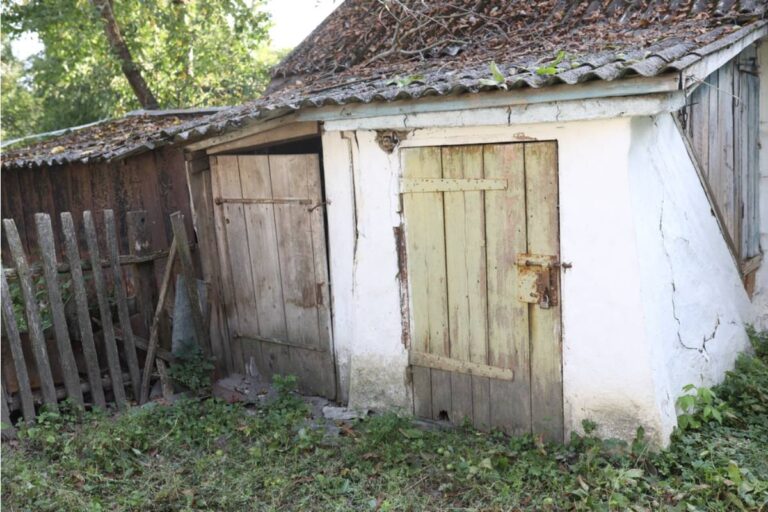
One of the biggest arguments began with the outdoor storage area. Since the tenants had purchased tools and supplies specifically to maintain the garden, they stored their equipment there. Then the landlord’s father installed a new lock without consulting them.
Eventually, the tenants managed to obtain a key, but the problem did not disappear. They were also told that the storage area was too full and needed to be cleared, even though much of the material inside belonged to the tenants themselves. The family now had to worry that their gardening tools could effectively become inaccessible whenever someone else decided to lock the door.
Their Wellies Had Already Disappeared
The storage issue became even more frustrating because the family said this was not the first time their belongings had been interfered with. On an earlier occasion, their wellington boots had reportedly been thrown away from the outside storage without permission.
For the tenants, this crossed an important line. Garden tools and muddy boots might seem trivial to somebody standing outside the situation, but they were household property that the family had purchased and expected to keep. The garden was becoming a place where even basic belongings no longer felt completely secure.
Then the Hose Started Crossing the Garden
Another source of tension involved the garden hose. During much of the heatwave, the hose connected to the rental property’s water supply was repeatedly stretched across the family’s garden and into the neighboring garden belonging to the landlord’s father.
The arrangement may have seemed harmless from his perspective because he was simply trying to keep his plants alive during extreme weather. From the tenants’ perspective, however, it meant their water supply and garden space were being used for somebody else’s gardening routine without any clear agreement.
The Toddler Turned the Boundary Into a Safety Issue
The situation became more serious as the family’s son approached his second birthday. He was walking confidently and had already managed to wander into the landlord’s father’s garden several times.
What might once have been viewed as a minor boundary annoyance had now become a genuine child-safety concern. The parents wanted to secure the dividing line so their toddler could play outside without constantly requiring someone to sprint after him like a tiny garden escape artist.
They Found a Simple Solution
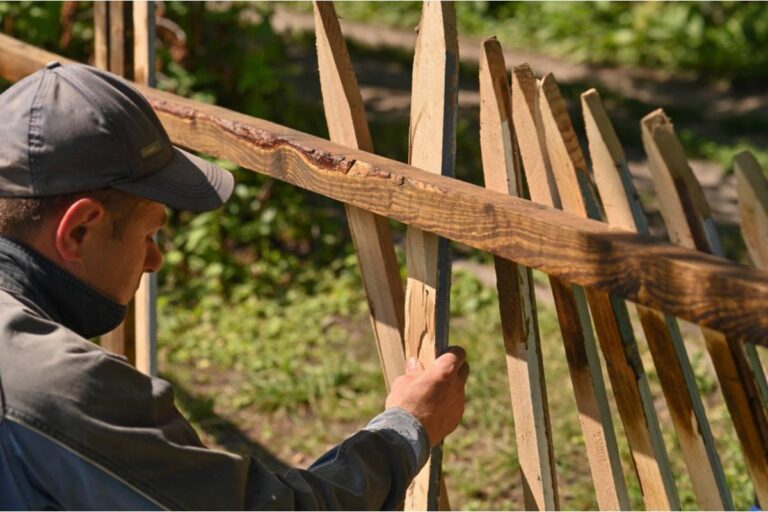
The family proposed installing bamboo fencing along the boundary. A similar type of fencing already existed elsewhere at the top of the garden, so they believed the idea was practical and visually consistent with the property.
There was also an existing gate providing access between the two areas. From the family’s perspective, that meant the boundary did not need to remain completely open just to preserve access. They wanted a secure garden, not a fortress with a drawbridge and moat.
Then Came the Catch-22
The landlord’s father reportedly objected to the fencing because he wanted the boundary to remain open for access. He also wanted the family to completely finish the garden before agreeing to let them install the fence.
That created a maddening circular problem. The tenants argued that they could not properly finish the garden until the toddler could safely use it, while the other side wanted the garden completed before allowing the measure that would make it safe. The couple suddenly found themselves trapped in what sounded like a gardening version of a logic puzzle.
The Family Finally Contacted the Landlord
After trying to manage the situation themselves, the tenants decided they had reached the point where the landlord needed to know what was happening. They carefully explained that they genuinely liked and respected the landlord’s father and did not want their message to sound like a personal attack.
They also wanted to make clear that they had tried to cooperate. They had taken over garden maintenance, spent money on equipment, cleared overgrown areas, attempted to grow a lawn, and tried to improve the space for their family. The problem was not that they disliked the older man; the problem was that too many gardening decisions were happening without their agreement.
The House Had Other Maintenance Problems Too
The garden dispute was only one part of the family’s growing list of concerns. They also said several radiators were working poorly because of sludge buildup in the heating system and believed the system needed attention before winter.
There were problems with wallpaper throughout the house as well, with old adhesive failing and sections beginning to peel away from the walls. The couple said these maintenance issues were their priority, making it even harder to spend endless days transforming the garden according to someone else’s expectations.
The Family Was Already Extremely Busy
The tenants explained that they were two adults working full time while raising a pre-teen and a toddler. Their toddler also had frequent hospital visits, making the idea of spending days and days performing landscaping work unrealistic.
They emphasized that the garden was not being neglected. Paths were clear, dangerous overhanging branches had been dealt with, and the space was no longer wildly overgrown. They wanted to continue improving it, but they needed to do so at a pace their family could actually manage.
Then the Privacy Issue Became Uncomfortable
The family’s concerns extended beyond gardening. They said they had previously asked the landlord’s father not to be around an extension in the mornings because his presence near windows had frightened them while family members were showering.
That made the issue feel considerably more personal. A neighbor visiting occasionally to tend flowers was one thing, but someone connected to the property appearing around windows and entering areas the tenants considered private was another matter entirely. The family wanted to preserve a friendly relationship while also reclaiming ordinary privacy.
The Workers Were Questioned Too
The tenants said the landlord’s father also confronted National Grid workers when they were carrying out repairs connected to the home’s smart meter. According to their account, he demanded to know what the workers were doing and allegedly told them he was the landlord.
For the tenants, this was another sign that the boundaries around the property had become blurred. They were living in the home under a tenancy agreement, yet a family member of the landlord was behaving as though he still had direct authority over people working there. The tenants began feeling that only the landlord herself could realistically settle the confusion.
A Response From a Person Offered a Brutally Simple Solution
A response from a person suggested stripping the entire situation down to the essentials instead of sending a huge explanation. The suggested approach was essentially that the tenants were responsible for maintaining the garden and needed the landlord’s father to stop entering the property, using their hose, or interfering with their belongings.
Another response from a person pointed out that the couple’s biggest mistake may have been allowing the informal arrangement to continue for so long. What had started as a helpful family arrangement had gradually created expectations about who controlled the garden, and now those expectations were colliding with the formal tenancy.
The Storage Shed Became a Symbol of the Bigger Problem
The dispute over the outside storage area was about far more than a lock. To the tenants, it represented the larger question of whether they actually had control over the home they were renting.
They were paying to live there, maintaining the garden themselves, and storing their belongings on the property. Yet somebody else could apparently lock away their equipment or decide what should be removed. At that point, even grabbing a pair of gardening gloves could feel like entering a diplomatic negotiation.
The Fence Became the Final Test
The bamboo fence was therefore about more than landscaping. It represented safety, privacy, and the family’s ability to use their own garden without constantly worrying about their toddler crossing into another area.
The irony was that everyone claimed to care about the garden, but they appeared to disagree completely about what the garden was supposed to be. One side saw it as a cherished long-standing project, while the other saw it as part of their rented home that needed to become practical for modern family life.
The Real Twist Was That Nobody Hated the Gardener
The couple repeatedly stressed that they liked the landlord’s father and appreciated everything he had done over the years. They were not trying to erase him from their lives or punish him for caring about plants.
What they actually wanted was remarkably ordinary: advance notice before visits, access to their own storage, control over their belongings, and a secure garden where their toddler could play. The garden had started as a place of cooperation, but without clear boundaries, even generous help had slowly turned into a source of conflict.
Now the Garden Needed Rules More Than Plants
The family’s email to the landlord was ultimately an attempt to draw a line beneath the confusion. They wanted the tenancy agreement to determine who managed the property and asked that future access to the garden be arranged with notice rather than happening whenever someone felt like checking on the plants.
The biggest irony was that the family did not need another gardener, another landscaping plan, or another weekend of clearing branches. They needed something much simpler: a clear boundary between being a helpful neighbor and having control over someone else’s garden. And after everything that had happened, the most important thing growing in that backyard was no longer grass, it was a set of boundaries.