A Gardener Watched Her Neighbor’s Free-Range Chickens Turn Her Spring Garden Into a Buffet, Then Discovered the Boundary Problem Was Bigger Than the Seedlings
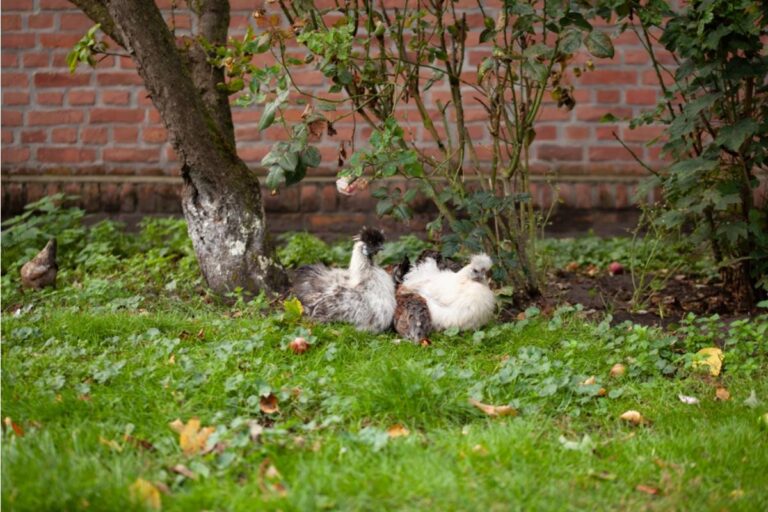
A person shared his story about living in the countryside, where chickens wandering around the neighborhood had always been part of everyday life. He had his own flock and initially thought it was amusing when a new neighbor arrived with even more birds, including two turkeys and several roosters. But the novelty disappeared quickly once those chickens discovered his garden and started tearing through freshly planted seeds and emerging perennials.
The timing could hardly have been worse. Spring was arriving, seedlings were ready to go into the soil, and treasured perennial plants were beginning to produce new growth. The gardener wanted to keep the peace, but he also needed to protect months of work from a flock that seemed determined to turn every fresh planting into an all-you-can-eat buffet.
The Chicken Flock Started Small
When the new neighbors first moved in, their large flock was more of a curiosity than a problem. Seeing chickens wandering through the countryside seemed perfectly normal, especially in an area where many households kept birds. The gardener even enjoyed seeing them in his yard at first, assuming they would eventually wander home.
Then the flock became a daily visitor. What had seemed charming from a distance became increasingly frustrating once the birds learned exactly where the best garden soil and tender plants were located. Apparently, the chickens had discovered that the neighbor’s vegetable patch was not the only place worth exploring.
Spring Turned the Chickens Into Garden Menaces
The real trouble began when the gardener prepared his seeds and noticed his perennials starting to bud. Tender seedlings are particularly vulnerable because there is very little standing between a chicken and a freshly planted patch of soil. Birds scratch through loose earth looking for insects and food, which can make a newly planted garden look as though someone has taken a tiny rake to it repeatedly.
The gardener watched the damage mounting and realized he had another problem too. Because his own chickens could no longer safely free-range, the neighbor’s flock was effectively taking away part of the rural lifestyle he had enjoyed. A garden that was supposed to be entering its most exciting season had suddenly become a restricted zone.
The Chickens Had Discovered the Best Buffet
The birds seemed to have excellent taste when it came to garden destruction. Freshly disturbed soil, young plants, and emerging shoots apparently offered exactly the sort of place they wanted to investigate. Every scratch of their feet could undo careful planting work in seconds.
The gardener was therefore facing the classic problem of every chicken owner who also loves gardening. Chickens are entertaining, productive, and full of personality, but they can be spectacularly enthusiastic about digging. His neighbor’s flock had simply taken that enthusiasm beyond the property line.
The Gardener Wanted to Avoid a Fight
One of the most interesting parts of the story was not about the chickens at all. It was about the gardener’s hesitation to approach the neighbor because he had heard she could be extremely defensive and aggressive. He worried that even a polite complaint about damaged plants might turn into a major confrontation.
That fear made the simplest solution feel surprisingly complicated. Saying, “Your chickens are destroying my garden,” was easy enough, but saying it to someone who might react badly was another matter. The gardener wanted a civilized conversation without accidentally starting a long-running neighborhood feud.
Then Other Gardeners Had a Very Simple Answer
A response from a person suggested solving the problem with a fence. Another response from a person offered an equally direct variation: protect the garden yourself and stop worrying about persuading the chickens to respect the property line. The advice was practical because chickens are not exactly famous for understanding property boundaries.
The suggestion also introduced a useful gardening principle. Sometimes the easiest way to protect a garden is not to change the animal but to change its access. A physical barrier can quietly accomplish what a dozen uncomfortable conversations may never achieve.
Chicken Wire Suddenly Looked Brilliant
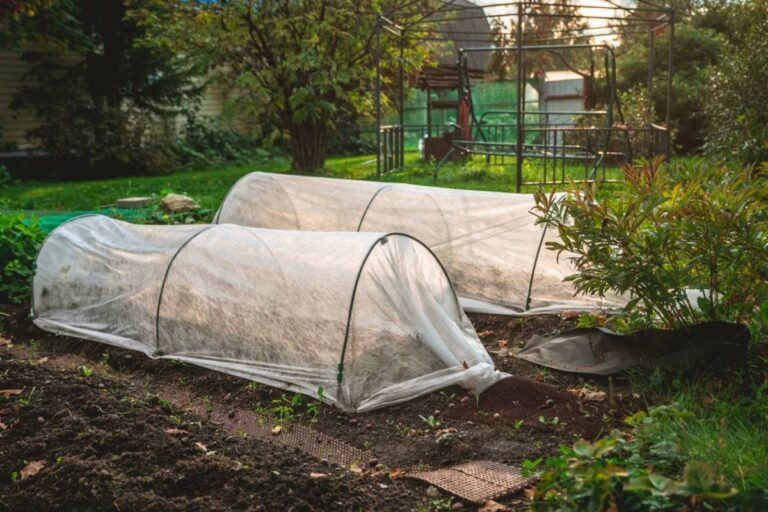
One response from a person suggested using chicken wire around the garden beds and covering the top where necessary. The name alone seemed almost comically appropriate for the situation. The same type of material associated with keeping chickens contained could now be used to keep the chickens away from vulnerable seedlings.
The idea would also allow the gardener to create a temporary protective zone during the most fragile part of the growing season. Once plants became larger and tougher, the protection might not need to remain as extensive. Suddenly, what had felt like a huge neighborhood problem had a gardening solution that could be installed exactly where it was needed.
Motion-Activated Sprinklers Joined the Battle
Another response from a person suggested motion-activated sprinklers, a device commonly used to discourage animals from entering gardens. The idea was considerably more peaceful than chasing chickens across the yard every morning. Instead, an unexpected burst of water could teach wandering birds that certain parts of the property were not particularly enjoyable.
It also offered one of the funniest images in the entire story. A chicken walks confidently toward a flower bed, the sprinkler activates, and suddenly the bird is sprinting in the opposite direction. The garden would remain watered, the plants would stay protected, and the chickens might eventually decide that the neighbor’s yard was a much more comfortable destination.
The Rural Setting Made Everything Complicated
Living in the countryside meant that the gardener could not simply assume the same animal rules applied everywhere. Several responses from people pointed out that local laws can differ depending on whether an area follows fence-in or fence-out rules. In some places, livestock owners are responsible for keeping animals contained, while in others property owners may be expected to fence animals out.
That detail transformed the problem from a simple gardening annoyance into a question of local rules. Before spending money on a major fence or making demands, the gardener would need to understand what responsibilities actually applied in his area. The chickens might have been trespassing in his eyes, but the law could have had a very different way of looking at the situation.
The Gardener Already Understood Chickens
What made the problem particularly frustrating was that the gardener owned chickens himself. He knew how birds behaved and understood that free-ranging chickens naturally wandered, scratched, and investigated anything interesting. That experience made him sympathetic to the other flock while also making the damage much harder to tolerate.
He had wanted the freedom to let his own chickens roam around too. Instead, he was keeping them confined because the neighbor’s flock had established a habit of crossing over. His own birds were effectively grounded because someone else’s chickens had decided to treat his yard like an extension of their pasture.
Then Someone Suggested a Friendly Conversation
One response from a person recommended approaching the neighbor calmly and explaining the situation. Rather than starting with blame, the gardener could simply describe what was happening to the seedlings and ask whether the flock could be kept away from his property. Another response from a person even suggested sharing the cost of a fence as a way to solve the problem together.
That approach appealed to the part of him that wanted to remain neighborly. A rural community can work beautifully when people communicate before small problems become permanent grudges. The difficulty was convincing himself to knock on the neighbor’s door when he had already heard stories about how poorly she handled criticism.
The Seedlings Became the Real Stakes
The argument suddenly seemed much more serious when the gardener considered how much effort was about to disappear. Seedlings require preparation, watering, timing, and patience, and losing them to scratching chickens can mean starting the entire process over. Even a modest patch of plants can represent weeks of anticipation.
One response from a person suggested putting a specific dollar amount on the losses when talking to the neighbor. Instead of vaguely saying the chickens were causing trouble, the gardener could explain exactly how much the damaged plants had cost and how much additional work would be lost if the flock continued entering the garden. Suddenly, the issue was not just about annoying birds but about protecting a real investment.
Then The Internet Started Joking About Dinner
The responses quickly became much more ridiculous, with people joking about fried chicken, chicken soup, barbecue, and free-range dinner. The gardener was advised in increasingly creative ways to remind the chickens that crossing the property line could have consequences. None of those ideas offered the kind of solution a responsible gardener actually needed, but they certainly showed how entertainingly dramatic the situation had become.
The jokes also highlighted just how universally frustrating garden pests can be. Most people know the feeling of watching something destroy plants they worked hard to grow. Whether the culprit is a rabbit, deer, bird, or wandering chicken, the emotional response is remarkably similar: admiration for the animal disappears the moment it reaches the vegetable bed.
The Garden Needed Protection, Not Revenge
Among the more sensible suggestions was the idea of putting a protective barrier around the garden itself. Netting, fencing, and other physical defenses could create a secure growing zone without turning the entire property into a fortress. The gardener would not need to punish the chickens or start a feud with the neighbor.
That distinction mattered because the goal was never really to get rid of the birds. He simply wanted his seedlings to survive. A well-protected garden could provide that solution while allowing the flock to continue wandering elsewhere.
Then the Neighboring Flock Became a Lesson
The gardener’s dilemma revealed something that every gardener eventually learns. Growing plants means accepting that something will always want to eat them, trample them, dig them up, or otherwise interfere. Sometimes the solution is negotiation, sometimes it is fencing, and sometimes it is finding a clever way to discourage the unwanted visitor.
In this case, the chickens simply happened to be the problem wearing feathers. The larger lesson was that a garden needs boundaries just like any other valuable space. Good intentions are helpful, but sturdy physical protection is often more reliable.
The Most Practical Answer Was Surprisingly Simple
Despite all the complicated discussions about laws, animal behavior, dogs, sprinklers, and fences, the clearest solution remained incredibly straightforward. The gardener could talk to the neighbor, explain the damage, and ask for the chickens to be kept off his property. At the same time, protecting the most vulnerable garden areas would give him control over the plants he had already invested in.
That combination offered the best chance of preserving both the garden and the neighborhood relationship. He did not need to declare war on the flock, and he did not need to surrender his seedlings. A calm conversation paired with a good garden barrier could potentially keep everyone happy.
The Chickens Had Accidentally Changed the Garden
What began as an amusing sight, with chickens wandering freely around the countryside, had gradually become a serious gardening challenge. The gardener had gone from enjoying the visitors to worrying every time a new seedling appeared. His spring planting season had effectively become a race against a flock of hungry explorers.
The twist is that the chickens may have forced him to become a better gardener. Protective fencing, garden netting, and smarter planting strategies can make a garden more resilient even after the original problem disappears. Sometimes the pest that ruins one season quietly teaches you how to protect every season afterward.
In The End, Good Neighbors Need Good Boundaries
The story began with a simple question about how to politely tell someone that their chickens were destroying a garden. But underneath the chickens and seedlings was a much bigger question about boundaries, communication, and respecting the work happening on someone else’s land.
A person shared his story hoping for the nicest possible way to solve the problem, and the responses ultimately pointed toward the same basic idea: protect the garden, communicate clearly, and avoid turning an agricultural nuisance into a personal war. The chickens may have thought the garden was theirs for the taking, but with the right boundaries, the gardener could make sure his spring seedlings got the final say.