Homeowner Says Neighbor Built a Second Fence to Solve His Weed Problem, Then Started Spraying Herbicide Into Her Bee-Friendly Garden
A person shared his story about a backyard gardening problem that started with an unusual fence and quickly turned into a much bigger neighborhood dispute. The homeowner has a large garden designed with bees in mind and avoids weed killers entirely, preferring a more natural approach to keeping the yard healthy. Then the neighbors created a narrow strip of greenery between two fences, and suddenly the weeds no one could reach became everybody’s problem.
The Garden Was Supposed to Be a Safe Haven for Bees
The homeowner explained that his property shares a fence line with the neighbors, whose original boundary is a chain-link fence. At some point, the neighbors installed a second privacy fence directly alongside it, creating a strange little channel between the two barriers. The space was so narrow that there was barely enough room to reach an arm through, let alone pull weeds by hand.
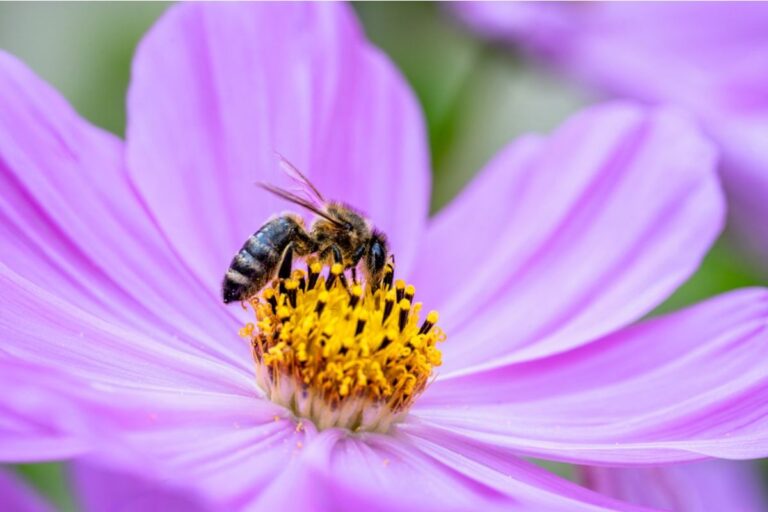
That would have been an odd gardening challenge by itself, but the homeowner had another reason to worry. His side of the property was filled with plants chosen specifically to support bees, and he did not use weed killer anywhere in his garden. What seemed like a minor landscaping decision next door suddenly had the potential to affect an entire backyard ecosystem.
Then the Weeds Started Winning the Fence Game
With the two fences standing so close together, weeds began filling the space between them. The neighbors could not easily reach the plants, trim them, or pull them out, so the unwanted greenery kept growing in its awkward little corridor. Instead of removing the second fence or finding another hands-on solution, they apparently decided to attack the problem with chemical weed control.
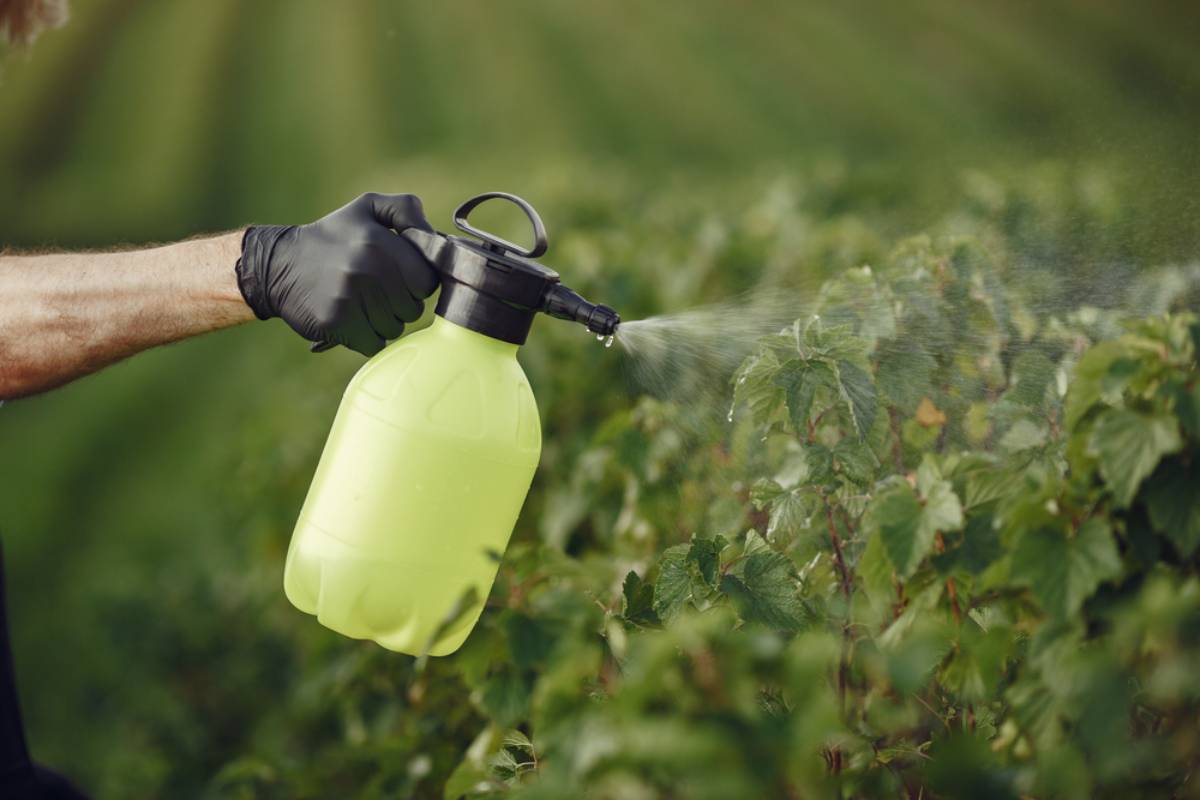
The homeowner noticed that some of his own plants were dying, and that was where the story took an unpleasant turn. He suspected the weed treatment was somehow reaching his garden, either because it was being sprayed directly through the fence or because the chemicals were drifting across the property line. What had started as a weed problem on one side of the fence was now showing up in the middle of a carefully tended garden.
The Gardener Never Saw the Spraying at First
At first, the homeowner did not actually witness the neighbors applying anything. That left him trying to piece together what was happening from the damage appearing in his yard. Plants that had been growing normally were suddenly struggling, making it difficult to determine whether the problem came from weather, pests, or something much closer to the fence.
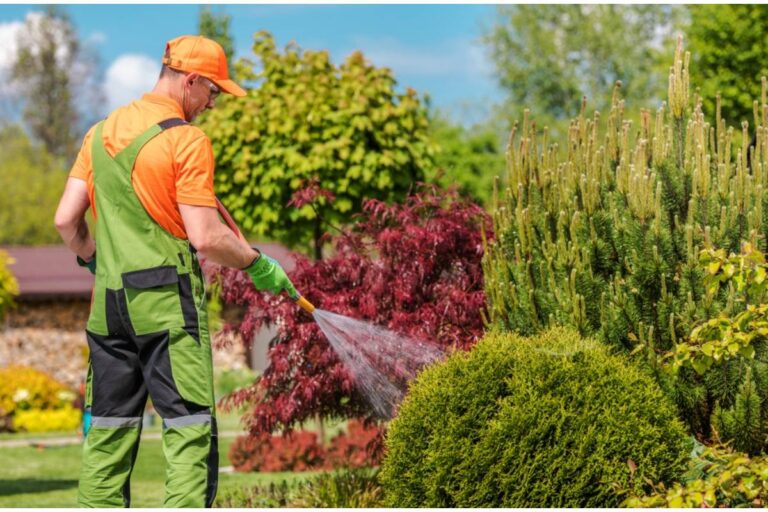
Everything changed one morning when he finally saw what was happening. He watched the neighbor climb a ladder and lean over the privacy fence while spraying toward the area, and the homeowner said some of that spraying was visibly reaching his yard. The discovery was especially alarming because his dog was standing less than five feet away.
The Dog Was Standing Right in the Middle of It
For the homeowner, the plants were only part of the concern. Seeing his dog so close to the spraying made the situation feel much more serious, especially because he did not know exactly what product was being used. The neighbor was apparently applying something around the fence line while the dog was nearby and the homeowner’s garden was directly within reach.
The homeowner went outside to confront the situation calmly rather than letting it become a shouting match. Communication was difficult because the neighbors did not speak English, but both sides remained civil during the initial conversation. Even with the language barrier, the homeowner made it clear that he intended to contact local authorities and have the matter checked.
A Conversation at the Fence Wasn’t the End of It
The homeowner said the first conversation ended without yelling, but the tension did not disappear. Soon afterward, the neighbor’s wife came to the front door angry and demanded to know what had been said to her husband. The homeowner told her that he planned to involve the police and asked her to leave the property until everyone could speak with them.
That decision brought the dispute out of the backyard and into an official conversation. Officers arrived and spoke with both households before contacting city enforcement for clarification. Suddenly, the strange double-fence arrangement and the dying garden plants were no longer just a private disagreement between neighbors.
City Officials Said the Two Fences Were Allowed
According to the homeowner, city enforcement told them that having two fences was not, by itself, prohibited. That meant the unusual setup could remain even though it had created the weed problem in the first place. The officials focused instead on the responsibility to maintain the fence line.
That created a bizarre gardening puzzle. The weeds had to be dealt with, but the narrow gap made physical maintenance nearly impossible without access through or around the other fence. The homeowner said the officer even asked whether the chain-link fence on his side could be removed temporarily so the neighbors could deal with their weeds.
The Offer to Make Gardening Easier Was Rejected
Removing the chain-link fence might have made the entire situation far easier to manage. Instead, the neighbors refused the idea, leaving the same cramped strip trapped between two fences. The homeowner was then left wondering what the practical solution was supposed to be.
That refusal became an important detail in the story because the chemical spraying seemed to be connected directly to the impossible fence design. If the weeds could not be reached by hand, the neighbors apparently viewed spraying as their workable alternative. Unfortunately, the homeowner said that alternative was sending the treatment into the wrong yard.
The Biggest Problem Was Where the Spray Was Landing
One person responding to the situation pointed out that there is an important distinction between spraying on your own property and spraying into someone else’s. The homeowner agreed that the main issue was not simply that the neighbors were treating weeds, but that the spray was allegedly crossing onto his property. He later clarified that there had been direct spraying onto plants in his yard rather than merely a vague concern about drift.
That detail shifted the story from an argument over landscaping preferences to a dispute about where chemicals were actually being applied. The homeowner wanted his garden left alone, particularly because he had intentionally created a bee-friendly space. A response from a person suggested checking applicable rules concerning chemical trespass and overspray rather than treating the situation as an ordinary gardening disagreement.
Nobody Could Even Say for Certain What Was Being Sprayed
Perhaps the strangest part of the whole backyard mystery was that the exact chemical remained unknown. One response from a person urged the homeowner to find out exactly what product had been used before assuming what it was or what danger it might present. That person pointed out that the spray could have been any number of substances, not necessarily the strongest weed killer imaginable.
The homeowner said he had a reason for wanting that information. According to his account, an officer asked the neighbor what product he was using, but the neighbor refused to show it. That left the homeowner with damaged plants, an unanswered question about the product, and a growing desire to know exactly what had been put into his garden environment.
The Garden Made the Situation More Complicated
For many homeowners, a few dead weeds might not sound like a major disaster. This gardener’s yard was different because the plants had been selected with pollinators in mind, making chemical exposure a particular concern for the way he managed the space. Instead of simply trying to create a spotless lawn, he had built an environment where flowers and insects could coexist.
That also explains why the homeowner was so protective of the area along the fence. A small amount of accidental spray might look insignificant from the other side, while potentially becoming a much bigger problem in a garden deliberately maintained without weed killers. The fence line was no longer just a property boundary; it had become the dividing line between two completely different approaches to gardening.
People Suggested Everything From Sprinklers to New Ground Cover
Once the story was described, a response from a person offered an amusingly simple temporary defense: motion-activated sprinklers. The idea would make the fence line much less convenient for anyone trying to lean over and spray, although it obviously would not solve the underlying disagreement. Another response from a person suggested checking local fence rules because some communities have specific requirements concerning how fences are installed and maintained.
There were also more garden-friendly ideas floating around. One response from a person suggested replacing the troublesome weeds with low ground cover that would be easier to manage and less likely to create the same maintenance headache. Another suggested that the homeowner could potentially manage the strip from his side using a product he trusted, turning the problem into a shared gardening project instead of a chemical standoff.
The Advice Started Moving Beyond Gardening
Some responses suggested contacting state authorities responsible for agricultural or environmental issues, particularly because the exact chemical was unknown. The homeowner said this was the kind of information he had been trying to uncover because he wanted to know where to turn if the spraying continued. The police report, according to one response from a person, could also become useful documentation if the homeowner needed to show what had already happened.
Another response from a person raised the possibility of examining the property boundaries and local permitting rules surrounding the second fence. That suggestion added yet another layer to the story, because the location of each fence could matter just as much as the weeds growing between them. The backyard had somehow transformed from a simple garden into a full investigation involving fences, chemicals, property lines, and paperwork.
The Homeowner Was Told to Document Everything
Several responses focused on the value of collecting evidence rather than relying only on memory. The homeowner had already seen the spraying himself, which gave him a firsthand account of what happened, but photographs and records could help build a clearer timeline. Pictures of damaged plants, the double-fence setup, and any visible spraying activity could potentially show how the problem developed.
That documentation also mattered because the homeowner expected the problem might happen again. He said he wanted to understand the rules and know what options existed if the neighbors continued spraying after being asked to stop. What began as one frustrating morning in the garden was starting to look like the kind of dispute that could stretch far beyond a single afternoon.
Even the Neighbors’ Fence Design Had Become Part of the Plot
The strangest twist remained the second fence itself. Instead of solving a privacy or landscaping issue cleanly, it created a tiny inaccessible strip where weeds could thrive and then made those weeds difficult to remove. The more the homeowner described the setup, the more the fence seemed like the original source of the entire chain reaction.
One response from a person even joked that the obvious next move was a third fence. It was funny, but the joke highlighted just how ridiculous the backyard arrangement had become. Two fences had created a weed tunnel, the weed tunnel had encouraged spraying, and the spraying had turned a peaceful garden into a neighborhood dispute.
The Story Ended With One Very Important Question
By the end of the homeowner’s account, the biggest question was no longer how to kill the weeds. The real question was what happens when someone else’s attempt to control weeds starts affecting a neighboring garden, especially when the neighboring gardener never agreed to the treatment. The homeowner wanted to know what protections existed and who should be contacted if the spraying continued.
For now, the garden remained caught in an unusual standoff between flowers, weeds, fences, and an unidentified herbicide. A person responding to the story summed up the practical concern by noting that the homeowner should first establish exactly what is being used and where it is going. Until that mystery is solved, the narrow strip between the two fences may continue to be the most troublesome patch of garden in the neighborhood.