Homeowner Says Her Mature Trees and Shrubs Protected Her Five-Acre Garden, Then a Neighbor Demanded She Restore Their “Lost” View
A person shared his story after receiving an unexpected letter from a neighbor who apparently believed the trees and shrubs surrounding his property had become someone else’s problem. The property covered roughly five acres, with mature shrubs and trees growing well inside the fence line and nowhere near the neighboring property. For years, the vegetation had simply been part of the landscape, providing privacy and turning the yard into a green buffer.
Then came the certified letter, dramatically titled “Demand Letter.” The neighbor claimed that the growing vegetation had ruined the view they enjoyed when they purchased their home and gave the homeowner 60 days to restore it. What followed was a strange mixture of legal threats, gardening concerns, security cameras, and plenty of advice from people who clearly believed the trees might soon become the real targets.
The Five-Acre Property Was Already Surrounded by Greenery
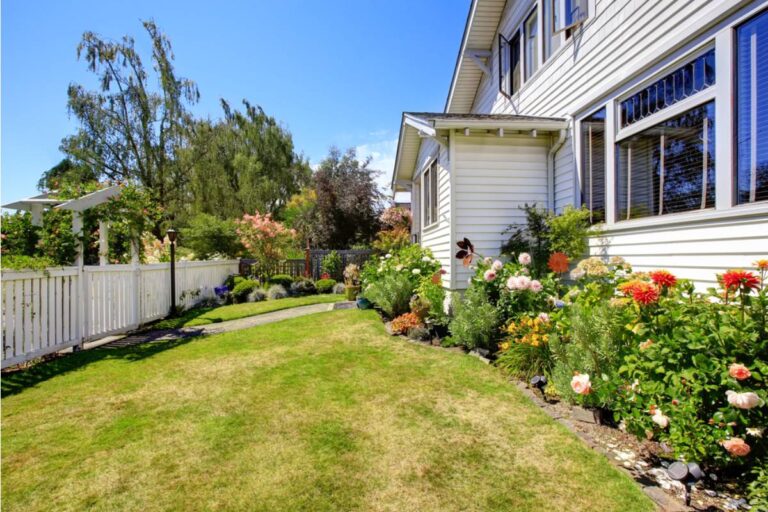
The homeowner explained that the property sits on approximately five acres, with the house surrounded by a substantial amount of vegetation. About ten feet inside the fence were shrubs capable of reaching 10 to 15 feet tall, while trees farther inside could eventually reach 50 to 60 feet. Most of the plants were already mature and had been growing without extending over the property line.
That detail became important because the neighbor’s complaint wasn’t about branches crossing the fence or vegetation damaging their property. Instead, the complaint was about what they could no longer see. The greenery had apparently become tall enough to interfere with a view they remembered having when they bought their house a few years earlier.
Then the “Demand Letter” Arrived
One day, the homeowner received a certified letter from the neighbor with the unusually forceful title “Demand Letter.” It wasn’t written by an attorney, but it certainly tried to sound official, informing the homeowner that the landscaping had negatively affected the neighbor’s former view. The letter then gave him 60 days to restore that view to its original condition.
The threat at the end was even more direct: legal action would supposedly follow if the vegetation wasn’t changed. Instead of panicking, however, the homeowner contacted both the governing authority and an attorney. Their reactions were apparently much less dramatic than the letter itself, with both essentially laughing at the idea.
The Trees Weren’t Exactly New Arrivals
One of the strangest parts of the dispute was that the vegetation wasn’t some sudden collection of plants the homeowner had installed specifically to annoy the neighbors. The property had mature shrubs and trees that were already established and served a practical purpose. They helped surround the five-acre property with privacy and greenery.
That distinction made the neighbor’s demand seem even more unusual to the homeowner. They weren’t complaining about an illegal structure or a tree that had fallen across their driveway. They wanted another person’s established landscaping changed because their own view had changed.
The Neighbor Wanted the Old View Back
The homeowner’s description suggested that the neighbor believed the landscape should somehow remain frozen in the condition it had been when they purchased their property. That assumption became the heart of the disagreement. If vegetation naturally grows on private property, the homeowner wondered why he should be responsible for preserving a neighboring property’s preferred sightline.
A response from a person summed up the sentiment bluntly: people generally aren’t guaranteed a view simply because they had one when they bought their home. Several others compared the situation to buying a house overlooking undeveloped land and later discovering that the landowner has different plans. The common theme was simple: enjoying a view doesn’t necessarily mean owning everything visible through it.
The Neighbor’s Letter Created a Much Bigger Problem
Although the homeowner initially found the demand amusing, he also understood that the situation could become more serious if the neighbor decided to act without permission. A written threat to take legal action was one thing, but the possibility of someone physically interfering with the landscaping was another. Suddenly, the shrubs and trees weren’t just decorative parts of the garden.
They were potential evidence in a property dispute. A response from a person recommended documenting the condition of the trees and shrubs with dated photographs. Others immediately suggested cameras, especially along the fence line, because an angry neighbor might decide that trimming the vegetation personally was easier than winning an argument.
The Garden Suddenly Needed Its Own Security System
The homeowner already had a security system with cameras, but the cameras didn’t cover the fence line. That changed quickly after the demand letter arrived. He arranged to have additional cameras installed so the boundaries and vegetation could be monitored more closely.
The timing made sense because mature landscaping can be surprisingly difficult to replace. A tree that has taken decades to reach its current size can’t simply be ordered online and planted at the same height. If anything happened to the vegetation, photographs and recordings could become important in determining exactly what occurred.
People Remembered Stories About Trees Being Damaged
The responses became especially concerned about the possibility of someone taking matters into their own hands. A response from a person described hearing about neighbors cutting or poisoning trees simply because they wanted a better view. Another person shared a story about trees being cut while the owner was away, with cameras eventually becoming the evidence needed to establish what happened.
Those stories turned what initially sounded like an absurd letter into something the homeowner couldn’t completely ignore. He wasn’t saying he expected his neighbor to destroy anything, but there was little downside to documenting the property. If nothing happened, the cameras would simply become another layer of home security.
The View Wasn’t Even Looking Directly at the House
Then came another interesting detail. Someone asked what exactly the neighbor’s supposedly ruined view consisted of. The homeowner explained that the back of his house and property were already surrounded by shrubs and trees, meaning the neighbors weren’t losing a direct view of the house itself.
Their view was apparently toward other properties and some open space that formed part of a preserve. In other words, the disputed landscape was essentially blocking a view across and beyond the homeowner’s property. That made the demand seem even more extraordinary because the neighbor wasn’t asking for access to something they owned, but for another property owner to change his landscaping so they could see farther.
Other People Had Learned the Hard Way About “Borrowed Views”
A response from a person described a similar situation involving a house with a beautiful view. Someone had purchased property partly because of that view, only to discover later that another property owner could build something that blocked it. The frustrated homeowner tried to stop the construction, but the basic problem remained: the land in front of the house belonged to someone else.
Another response from a person described this as a “borrowed view.” The phrase captured the entire dispute surprisingly well. A beautiful view can be one of the best features of a home, but unless specific legal protections exist, the landscape beyond a property’s boundaries can change.
Not Every View Dispute Is Legally the Same
Some responses did point out that certain locations have special rules concerning trees and protected views. A person mentioned municipalities where view-preservation ordinances can apply to vegetation under specific circumstances. In those places, a neighbor may have legitimate options if trees grow high enough to interfere with a protected sightline.
That caveat mattered because the exact laws depend heavily on location. The homeowner had already contacted the relevant governing authority and an attorney, both of whom apparently believed the demand had little merit. Rather than relying solely on internet opinions, he chose to follow professional advice and document the situation carefully.
The Homeowner Decided Not to Start a Neighborhood War
Despite the ridiculous beginning, the homeowner repeatedly emphasized that he wasn’t looking for a fight. He had generally gotten along with his neighbors and didn’t want the situation to become a permanent feud. Even after receiving the demand letter, he considered whether there might be minor landscaping changes that could address a legitimate concern without destroying the privacy purpose of his vegetation.
That attitude separated him from some of the more entertaining suggestions offered by others. A few responses proposed deliberately planting even more greenery, while others suggested sending a giant photograph of the neighbor’s preferred view back to them. The homeowner, however, seemed more interested in resolving the dispute than turning the property into a botanical battlefield.
The Attorney Took the Situation Seriously
The homeowner eventually spoke with an attorney who agreed to prepare a formal response. The attorney planned to include photographs and information about the applicable laws and restrictions, effectively answering the neighbor’s demand without allowing the homeowner to be bullied into changing his property.
The attorney also advised the homeowner to avoid unnecessary direct contact while the dispute was active. That was a particularly interesting development because the homeowner had initially considered knocking on the neighbor’s door to talk things through. The lawyer apparently preferred keeping the communication more controlled and documented.
Then Came the Soil Tests
The dispute took another unexpected turn when the attorney recommended baseline soil tests. At first glance, that might sound excessive for a disagreement about a view, but it was actually a clever precaution. If the vegetation suddenly became unhealthy or died, baseline records could help establish what the condition of the soil had been before anything suspicious happened.
The homeowner planned to have multiple tests completed while also maintaining photographs and camera coverage. It transformed the garden from something that had simply existed in the background into carefully documented property. The trees weren’t just plants anymore; they had become part of an ongoing record.
The Cameras Were Finally Watching the Fence Line
The new cameras were installed and working, giving the homeowner a much clearer view of the areas that concerned him. This meant that anyone approaching the landscaping would potentially be recorded. For a homeowner with five acres, that extra coverage could also provide useful security beyond this particular dispute.
The important part was that the homeowner wasn’t using the cameras to provoke the neighbor. He was simply creating a record of what happened on his own property. A response from a person specifically recommended keeping original photographs and documentation because evidence is much more useful when it exists before a dispute becomes a serious legal issue.
The Homeowner Still Left the Door Open to a Compromise
Perhaps the most surprising part of the update was that the homeowner didn’t completely shut down the possibility of making reasonable changes. He said that if the neighbor could identify minor adjustments that would solve their concern without defeating the purpose of the vegetation, he was willing to consider them.
That was a significant contrast to the tone of the original demand letter. Instead of simply cutting everything down because someone demanded it, he was offering to discuss practical solutions on his own terms. He wanted privacy, greenery, and peaceful ownership of his property, not an endless argument over who could see what.
The Neighbor’s View Had Become a Gardening Problem
What began as an ordinary five-acre property surrounded by mature landscaping had somehow turned into a dispute about whether a neighbor was entitled to a particular view. The homeowner hadn’t built a giant wall or intentionally created an obstruction overnight. He had shrubs and trees doing what shrubs and trees naturally do: growing.
And that was the twist that made the whole situation so strange. The neighbor wasn’t asking the homeowner to repair something broken, but to reverse the natural growth of his own garden because the neighbor preferred the landscape from several years earlier. The homeowner’s response was essentially to protect the plants, protect the property, document everything, and let the professionals handle the legal side.
The Garden Was Staying Put, For Now
By the end of the updates, the homeowner had cameras operating, photographs being collected, soil tests being considered, and an attorney preparing documents. He also had no intention of posting the dispute publicly or escalating it into a personal battle. Instead, he appeared determined to keep everything calm while making sure his property and landscaping were protected.
A response from a person captured the broader lesson many people took from the story: if a particular view is important enough to demand that someone else preserve it, perhaps the safest option is to own the land responsible for that view. Until then, the shrubs and trees on this five-acre property were going to keep doing what they had always done. They were growing, providing privacy, and apparently causing one neighbor considerably more frustration than the homeowner ever expected.