Homeowner Says Her Patio Vegetable Garden Grew for Four Years Without a Complaint, Then the HOA Suddenly Demanded Every Planter Be Removed
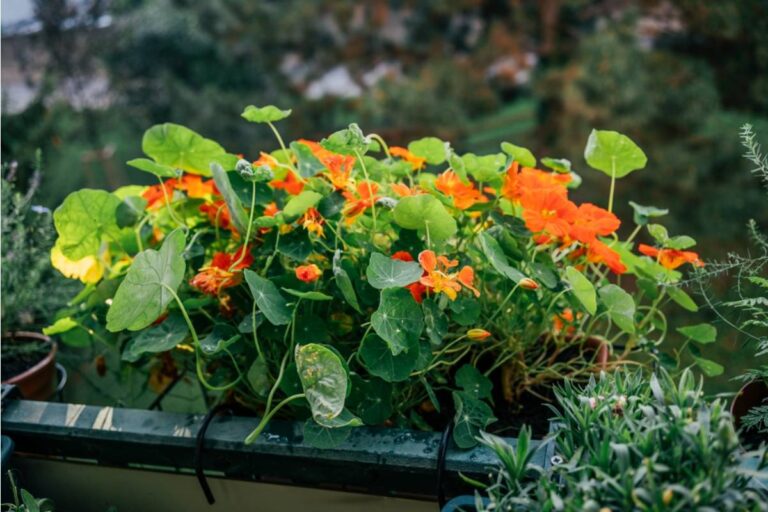
For four years, one Northern Virginia tenant had turned a condo patio into a small edible garden, carefully filling the space with vegetables, hanging plants, and productive planters. Then, seemingly out of nowhere, the landlord delivered an uncomfortable message: the condo association had issued a violation notice and wanted the entire garden gone in a little over a week. What made the situation even stranger was that the gardener could point to other plants, trees, cars, and apparent rule violations scattered around the community.
Four Years of Growing Without a Single Warning
A person shared his story after spending four straight years cultivating a patio garden at the condo where he lived. Every season, he added to it, learning which plants worked best and investing money into making the little growing space more productive. By the time the latest gardening season arrived, the patio had become something he genuinely enjoyed and relied on.
Then the garden suddenly became a problem. The landlord contacted him to explain that the condo’s HOA had sent over a violation notice specifically targeting the vegetable plants. The notice gave him only a little more than a week to remove everything.
The Garden Had Become More Than a Hobby
For the tenant, this was not simply a matter of moving a few pots into storage. He explained that he had spent a considerable amount of money building the garden into what it was, and much of the produce was something he actually used. After four years of tending it, the planters had become part of his normal routine and a source of genuine enjoyment.
The garden was also not made up of some giant permanent installation covering the property. According to the person who shared the story, the violation specifically identified six items: two GreenStalk planters, two EarthBox planters, and two hanging baskets. None of those were permanent structures attached to the condo.
The HOA Did Not Offer a Community Garden
The sudden demand became even more frustrating because there was no community garden available to residents. For someone who wanted to grow vegetables, the patio was apparently the most practical place to do it. Losing the planters would therefore mean losing his gardening setup almost entirely.
He also could not understand why growing food had become such a serious issue when other residents appeared to have plants of their own. From his perspective, the community did not look like a perfectly plant-free zone that had suddenly been disturbed by one rebellious gardener.
Then He Started Looking Around at the Parking Lot
One of the biggest sources of frustration involved parked vehicles. The person said the community had a rule requiring vehicles to be moved within seven days, along with requirements for current inspections and tags. Yet he claimed multiple vehicles appeared to have sat in the same spots for months.
Some vehicles allegedly had inspection problems, while others were said to have registration tags that had been expired for years. Seeing those cars every day made the gardening violation feel even more confusing to him. He wondered why his vegetable planters had suddenly become urgent while other visible rule violations seemed to remain untouched.
Other Residents Had Plants Too
The patio issue became even more puzzling when he noticed that other residents also had plants around their homes. He pointed out several units with plants on their porches, while one neighbor had apparently gone even further by growing a fig tree in the garden bed in front of the unit.
There was an obvious difference in scale, however. The tenant admitted that his collection was larger than what most of those neighbors had, which raised another possibility: perhaps the HOA was not banning plants entirely, but enforcing a limit he had unknowingly crossed.
Six Planters Suddenly Became the Center of Attention
The violation notice reportedly focused on removing all of his planters rather than just trimming them down or reducing the number. That detail stood out because the planters were movable containers rather than permanent additions to the building. To the gardener, that made the enforcement feel especially harsh.
His setup was not a backyard farm taking over the neighborhood. It was essentially six main growing containers and two hanging baskets on a patio. Yet those few pieces of gardening equipment had somehow become important enough to trigger a formal notice from the association.
The Timing Was One of the Biggest Mysteries
Perhaps the strangest part was the timing. The tenant had been living there for four years and said he had maintained a garden every year during that entire period. If the HOA had regular inspections, he wondered why no one had raised the issue earlier.
That question added another layer to the story. Was the garden suddenly against a clearly stated rule, or had somebody simply decided it was time to start enforcing a rule that had previously been ignored? The tenant had no way of knowing from the violation notice alone.
Maybe a New Rule Enforcer Had Arrived
A response from a person suggested that the timing could have nothing to do with the garden itself. A new HOA board or management company may have decided to crack down on violations that had previously been overlooked. Under that theory, the gardener was not necessarily being singled out at all.
That possibility would also explain why old cars, expired tags, and other issues seemed to remain visible while the garden received immediate attention. The tenant simply had no information about whether other residents with gardens had received similar notices. From the outside, all he could see was that his patio had suddenly landed on someone’s enforcement list.
The Bigger Question Was Hidden in the HOA Rules
Several responses focused on one basic question: what exactly did the governing documents say about patio planters? A response from a person pointed out that the lease and condo bylaws could determine whether the garden was allowed. The person also noted that a rental agreement may require tenants to follow the condo’s rules even when the tenant is not treated exactly like the property owner.
That changed the shape of the problem. Instead of asking whether other people were breaking unrelated rules, the important issue became whether these particular planters were actually prohibited. The size, number, location, or type of containers could potentially matter more than the fact that vegetables were growing in them.
Comparing Violations Might Not Save the Garden
The tenant had naturally started building a list of other things that seemed unfair, but a response from a person gave him a reality check. Other residents’ parking violations do not automatically make a separate garden rule disappear. In other words, one questionable car in the parking lot does not necessarily grant someone permission to keep six planters on a patio.
That was an important distinction because the gardener was understandably thinking about fairness while the HOA might be thinking about enforcement. Those are not always the same question. The garden could still violate a rule even if other residents were violating completely different rules.
Selective Enforcement Became the New Question
The gardener specifically wondered whether the situation could amount to selective enforcement. One response from a person said the answer could depend on the laws and governing documents involved, particularly if an association could be shown to enforce the same rule differently against different residents. Another response emphasized that local law might matter, so the tenant should examine the actual requirements rather than rely only on what neighbors were doing.
That left the gardener facing a frustrating choice between two very different possibilities. Perhaps the association was simply enforcing a rule he had technically violated for years. Or perhaps the way the rule was being applied across the community could raise a separate issue worth investigating.
The Gardener Was Also Warned About Fighting Every Battle
Another response from a person offered a less dramatic strategy: stop focusing on the other residents and concentrate on the rule affecting the garden. Reporting every questionable vehicle or plant could potentially bring even more attention to the tenant’s situation. Instead of turning the neighborhood into a scoreboard of violations, the response suggested finding out exactly what the association’s documents required.
That advice may have sounded frustrating, but it brought the whole story back to the planters sitting quietly on the patio. The tenant had begun with vegetables, but he now had a puzzle involving leases, bylaws, enforcement practices, and a surprisingly short deadline. Suddenly, gardening had become paperwork.
A Single Rule Could Decide Everything
The most useful next step seemed to be identifying the precise rule cited in the violation notice. A response from a person specifically asked what language the tenant had been told he was violating. That detail could be far more important than comparing his six planters with a neighbor’s fig tree.
Without the exact wording, nobody could confidently tell whether the HOA was banning all patio gardening, limiting the number of planters, restricting certain structures, or enforcing a completely different rule. The mystery was not really about vegetables anymore. It was about what the governing documents actually said.
Then Virginia Entered the Story
One response from a person mentioned that Virginia has laws that may affect restrictions involving food-growing activities. The response suggested checking the relevant state rules because state law can sometimes affect what an HOA or condominium association is allowed to restrict. However, the exact application would depend on the specific circumstances and governing documents.
That possibility gave the gardener one more avenue to investigate before simply throwing away four years of work. Instead of assuming the violation letter was automatically the final word, he now had reason to examine both the association’s rules and the applicable state law. For a person staring at a deadline and a patio full of vegetables, that could make a very big difference.
What Looked Like a Simple Garden Had Become a Community Mystery
The funniest part of the story was that none of this began with a dramatic landscaping project. It started with a handful of ordinary containers growing food on a patio, something the tenant had apparently done season after season without receiving a complaint. Then one notice transformed those planters into the center of a dispute.
Now every detail suddenly seemed important, from the number of containers to the abandoned-looking cars in the parking lot and the fig tree growing in a neighboring bed. The tenant wanted to know why his garden was suddenly a problem after four years, and whether the HOA was applying its rules consistently. What began as a quiet vegetable garden had turned into a much bigger question about where gardening ends and association authority begins.