Homeowner Says His Neighbor Has Been Letting Her Grandkids Use His Garden Shed as a Clubhouse All Summer, Then Complained When He Locked It to Store His Own Tools
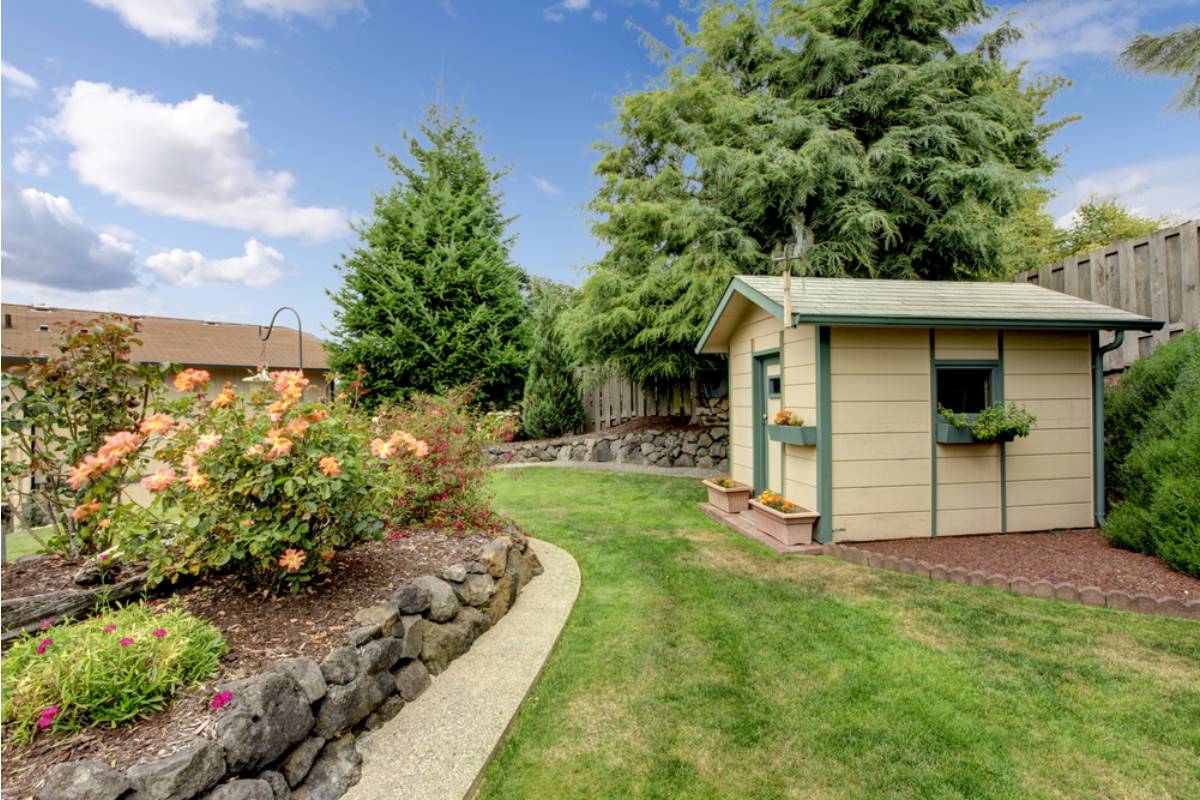
The first time I noticed something was off, I assumed it was harmless. My garden shed sat near the back fence, and I rarely opened it during the early part of the summer because I had been busy with work.
One afternoon I walked into the yard and found the shed door standing wide open even though I clearly remembered locking it the previous weekend. At first I thought I had simply forgotten, but that explanation stopped making sense after it happened again. I decided to pay closer attention before accusing anyone.
Strange Signs Inside the Shed
A few days later I finally stepped inside to check whether anything had gone missing. My folding chair had been moved into the middle of the room, an old camping lantern sat on a shelf I never used, and several empty juice boxes were lying in the corner. None of my expensive tools had disappeared, but someone had clearly been spending time there. It felt less like a break in and more like someone treating the place as their own.
I left everything exactly where I found it because I wanted to see if more changes would appear. By the end of the week, they certainly did.
An Unexpected Discovery Over the Fence
One Saturday afternoon I heard children laughing behind my shed while I was mowing the lawn. Curious, I shut off the mower and quietly walked toward the back of the yard. Before I reached the shed, three kids came running out, laughing as they raced toward the neighboring property.
Their grandmother stood by the fence smiling. She waved casually and said, “Thanks for letting them play. They absolutely love your little clubhouse.” I froze because I had never agreed to anything remotely close to that.
A Conversation That Left Me Speechless
I politely explained that I had no idea the children were entering my shed. She looked genuinely surprised that I objected. Then she laughed and said they had been using it for weeks because it kept them entertained while she gardened.
When I pointed out that it contained sharp tools and heavy equipment, she shrugged and insisted the kids knew not to touch anything dangerous. That answer did not reassure me in the slightest.
The Growing List of Problems
Over the next several days I inspected the shed more carefully. A rake had been bent. One flower pot had been cracked after being used as a seat. Someone had scribbled colorful marker drawings on an old cabinet door.
None of the damage was catastrophic, but every new discovery reminded me that strangers had been treating my property like a playground. More importantly, if one child got hurt inside that shed, I knew I could end up facing a nightmare.
My Decision to Secure Everything
The following weekend I installed a stronger lock and moved every valuable tool back inside. I also placed a simple sign on the door that read, “Private Property. Please Do Not Enter.”
It seemed like the most reasonable solution imaginable. I was not yelling at anyone or starting a feud. I simply wanted my own building to remain off limits.
The Complaint Arrives Almost Immediately
The very next afternoon someone knocked on my front door. It was my neighbor, and she looked genuinely irritated instead of embarrassed. She asked why I had suddenly locked “the kids’ playhouse.”
I reminded her it had never been a playhouse. It was a storage shed that belonged to me. She insisted the children were disappointed because they had spent nearly every day there throughout the summer.
The Neighborhood Starts Hearing Different Stories
Within two days several nearby neighbors were acting strangely around me. One finally asked why I had “taken away the kids’ favorite place to play.” That caught me completely off guard.
Apparently my neighbor had been telling people I suddenly changed my mind after letting the children use the shed all season. She conveniently left out the part where I had never given permission in the first place.
Clearing Up the Confusion
Rather than argue, I calmly explained exactly what had happened. I even showed one neighbor the bent rake, damaged flower pot, and marker drawings inside the shed. Their expression changed immediately.
They admitted the story they heard sounded very different. After speaking with several people, the rumors began disappearing almost as quickly as they had started.
One Child Accidentally Reveals the Truth
A few evenings later one of the grandchildren wandered near the fence while I was watering tomatoes. Without realizing the adults were listening, he cheerfully asked whether I had hidden the “secret clubhouse key.”
His grandmother quickly interrupted him, but the damage was already done. The child happily explained that they always climbed through a loose side gate whenever I left for work because “Grandma said it was okay.” The silence that followed was louder than any argument.
An Awkward Fence Line Meeting
The next morning my neighbor came over again, this time without the same confidence. She admitted she probably should have asked before allowing the children onto my property. She also said she assumed I would not care because I rarely used the shed.
I explained that ownership does not disappear simply because something is used less often. More importantly, I never wanted children playing around saws, ladders, and gardening chemicals.
The Rest of the Neighborhood Weighs In
Word spread after several neighbors learned what had actually happened. Instead of criticizing me, many admitted they would have locked the shed much sooner. One father said he would never allow his own children to enter another person’s building without explicit permission.
The conversation slowly shifted away from disappointment and toward responsibility. People realized this had never been about denying children a place to play. It had always been about respecting boundaries.
A Small Gesture Changes the Mood
About a week later the grandchildren showed up with handmade apology cards. They seemed genuinely embarrassed after learning they had not actually been invited into the shed. Their grandmother encouraged them to apologize face to face.
I accepted their apology and told them I was never angry with them because they believed they had permission. They smiled with obvious relief before heading back home.
Finding a Better Place for Adventure
A local parent later organized afternoon games at a nearby community park where several neighborhood children could gather safely. The grandchildren quickly discovered they enjoyed having a larger space with swings, basketball courts, and other kids their age.
Soon nobody mentioned the shed anymore. It quietly returned to being exactly what it had always been intended to be, a place for tools and gardening supplies.
Respect Restores Peace
By the end of the summer the tension had finally faded. My neighbor and I were never especially close afterward, but we managed to remain polite whenever we crossed paths. She no longer assumed access to my property, and I no longer worried about finding unexpected visitors inside my shed.
Looking back, the entire conflict could have been avoided with one simple question asked at the beginning. Instead, assumptions turned a small misunderstanding into a neighborhood dispute. Locking my own shed was never an act of selfishness. It was simply the moment I reminded everyone, including myself, that kindness does not require giving up reasonable boundaries.