Gardener Says Her Neighbor Has Been Copying Every Single Change She Makes to Her Garden Within Two Weeks, Then Tells People She Thought of It First
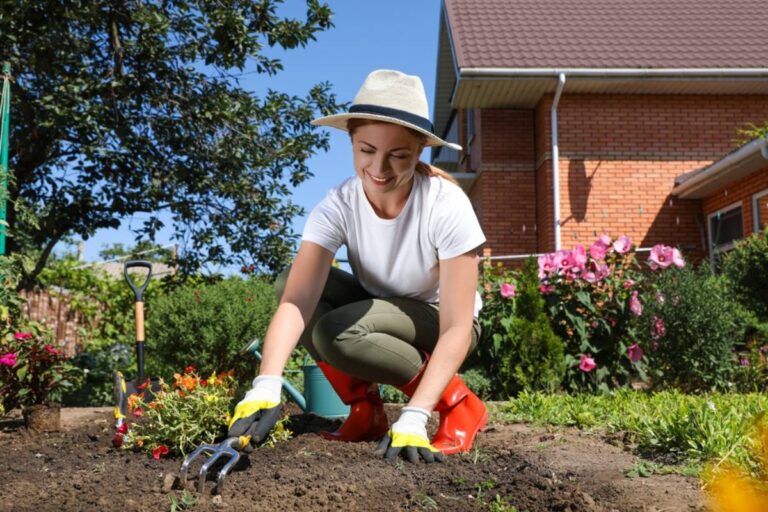
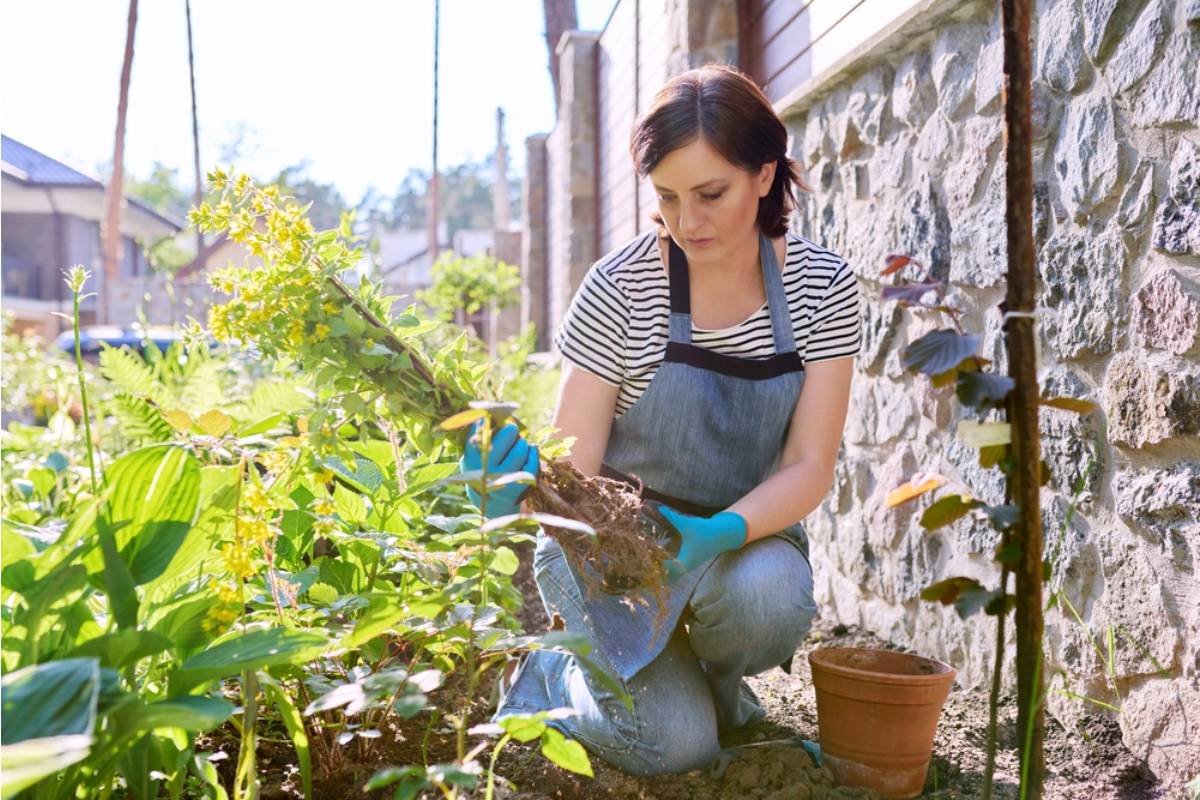
Gardening has always been my favorite way to unwind after work. Over the years, I slowly transformed my backyard into a colorful mix of raised vegetable beds, native flowers, climbing vines, and winding gravel paths.
I enjoyed experimenting with new layouts every season because it kept the space feeling fresh and personal. My next door neighbor often complimented the changes and asked questions about where I found certain plants or materials. At first, I was happy to share ideas because I thought we simply appreciated the same hobby.
The Matching Flower Border
One spring, I installed a curved border filled with purple coneflowers, black eyed Susans, and ornamental grasses along the back fence. It took several weekends to finish because I carefully planned the spacing and colors.
Less than two weeks later, I noticed my neighbor had created an almost identical border in nearly the same location. Even the stone edging looked remarkably similar. I laughed it off and figured we just had similar tastes.
Another Familiar Design Appeared
Later that season, I built cedar planter boxes with built in benches around the corners. Friends commented that they had never seen anything quite like them in our neighborhood.
Before long, another set of nearly identical planter boxes appeared next door. The dimensions, stain color, and bench layout all looked strangely familiar. My husband jokingly asked whether I had accidentally shared my construction plans.
The Birdbath That Looked Too Familiar
I spent weeks searching antique stores before finding a weathered stone birdbath with a unique carved base. It became the centerpiece of my pollinator garden.
Two weekends later, my neighbor proudly showed visitors a nearly identical birdbath positioned in the center of her yard. She acted as though it had always been part of her landscape. Seeing the pattern continue started making me uncomfortable.
Visitors Started Saying Odd Things
Neighbors walking by began making comments that caught me off guard. One woman smiled and said she loved how I had recreated my neighbor’s flower beds.
Another congratulated me on finally adding raised vegetable beds after seeing how attractive my neighbor’s looked. I politely corrected them, but they seemed surprised by my response. Somehow the story had completely flipped.
The Garden Tour Raised Questions
Our neighborhood hosted an informal garden walk where residents could visit one another’s yards. During the event, I overheard my neighbor explaining that she enjoyed creating original garden concepts that others found inspiring.
She pointed toward my yard and casually suggested that imitation was flattering. I stood there holding a tray of lemonade, wondering whether I had heard her correctly. Several visitors nodded as though her version made perfect sense.
I Started Documenting Everything
That evening I began organizing the hundreds of gardening photos stored on my phone. Every project had been photographed from the planning stage through completion because I enjoyed tracking seasonal progress.
The pictures clearly showed dates, unfinished construction, and gradual growth over time. Looking through them, I realized I had unintentionally created a complete record of every improvement. I had no idea those photos would soon become useful.
A New Experiment Confirmed My Suspicion
Instead of making a permanent improvement, I tried something temporary. I placed three brightly painted ceramic pots near the entrance to my garden in a layout I had never used before.
They stayed there for about a week before I moved them somewhere else. Less than two weeks later, my neighbor arranged three similar pots in exactly the same pattern at the entrance to her yard.
The Conversation Turned Uncomfortable
I finally asked her whether she realized how often our gardens ended up looking alike. She laughed and insisted gardening trends naturally spread through neighborhoods.
When I mentioned people believing she had created my ideas first, she simply shrugged. Then she said, “People remember whoever shows it off the best.” That answer stayed with me long after our conversation ended.
A Local Gardening Club Paid a Visit
Several members of a nearby gardening club organized a neighborhood tour after hearing about the landscaping on our street. As they walked through my yard, they asked detailed questions about plant selection, irrigation, and construction methods.
I happily explained each project while scrolling through photos of the work in progress. The visitors appreciated seeing how every area had evolved from bare soil into mature garden beds.
The Truth Came Out Naturally
When the group reached my neighbor’s yard, someone complimented a feature that closely resembled one they had just seen at my house. Another club member immediately recognized it from the progress photos I had shown earlier.
Before long, several visitors noticed similar patterns throughout the yard. Nobody accused anyone directly, but the conversations became noticeably different. People started asking where each idea had originally come from instead of assuming.
A Reputation Shifted Quietly
Over the following months, neighbors began asking me directly for gardening advice instead of relying on secondhand stories. My neighbor still made changes to her landscape, but they gradually became more personal and less familiar.
She stopped introducing borrowed ideas as though they had always been hers. The awkward comparisons slowly disappeared from neighborhood conversations. It seemed everyone preferred authenticity over competition.
My Garden Felt Like Mine Again
These days I still enjoy experimenting with new plants, pathways, and layouts without worrying about who gets credit. If someone else happens to find inspiration in the results, I genuinely do not mind.
What mattered was knowing the truth and no longer feeling invisible in my own work. Gardening was never supposed to become a contest between neighbors. Once the attention shifted away from claiming ideas and back toward enjoying beautiful spaces, the entire neighborhood became a more pleasant place to live.