Beginner Gardener Asks for “Common Sense” Tips, and the Advice That Followed Reveals Mistakes Almost Everyone Makes — “I Didn’t Listen… and Regretted It All Season”
It Started With a Simple Question Most New Gardeners Ask
Every spring, thousands of people decide this is the year they’re finally going to start a garden.
Maybe it’s a few pots on the patio. Maybe it’s a backyard vegetable bed. Or maybe it’s a full transformation of an outdoor space they’ve been thinking about for years.
But almost everyone starts in the same place.
Not knowing what they don’t know.
That’s exactly what one beginner gardener admitted when they asked a simple question: what are the “common sense” tips everyone should know before getting started?
What followed wasn’t just basic advice. It was a flood of real experiences, mistakes, and lessons that many gardeners say they learned the hard way.
And some of those lessons come up again and again.
“Never Plant Mint in the Ground”
One of the most repeated warnings was surprisingly specific.
Never plant mint directly in your garden.
It might seem harmless at first. It’s a small herb. It smells great. It looks easy to grow. But gardeners who have done it say the same thing almost immediately after.
They regret it.
Mint spreads aggressively. Once it’s in the ground, it can take over entire areas, pushing out other plants and becoming incredibly difficult to control.
Some gardeners joked about “cursing” whoever planted it before them. Others said they spent an entire season trying to manage it.
The advice is simple but clear.
If you want mint, keep it in a pot.
The Biggest Mistake: Trying to Do Too Much Too Fast
Another pattern that came up repeatedly is something many beginners don’t expect.
They start too big.
It’s easy to get excited. Garden centers are full of plants. Ideas start flowing. Before long, people are planting everything they can fit into the space.
But experienced gardeners say that’s where things start to go wrong.
Gardens take time. They take maintenance. And they take learning.
Starting with too much too quickly often leads to overwhelm, frustration, and in some cases, plants failing simply because they couldn’t all be managed properly.
The advice that kept coming up was to go slow.
Start small. Learn what works. Build from there.
Why Your Garden Might Struggle Before You Even Start
One of the most overlooked aspects of gardening is something you don’t even see at first.
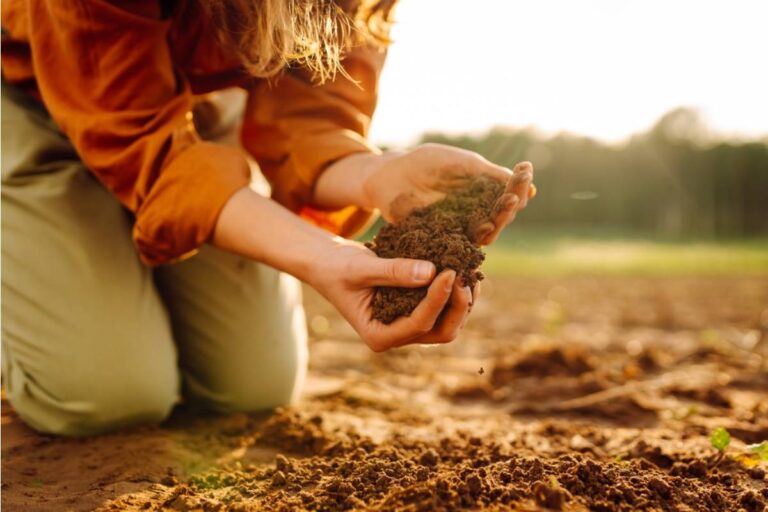
The soil.
Many beginners focus on what to plant, but experienced gardeners say the real focus should be what you’re planting into.
If the soil isn’t right, plants struggle no matter how well you care for them.
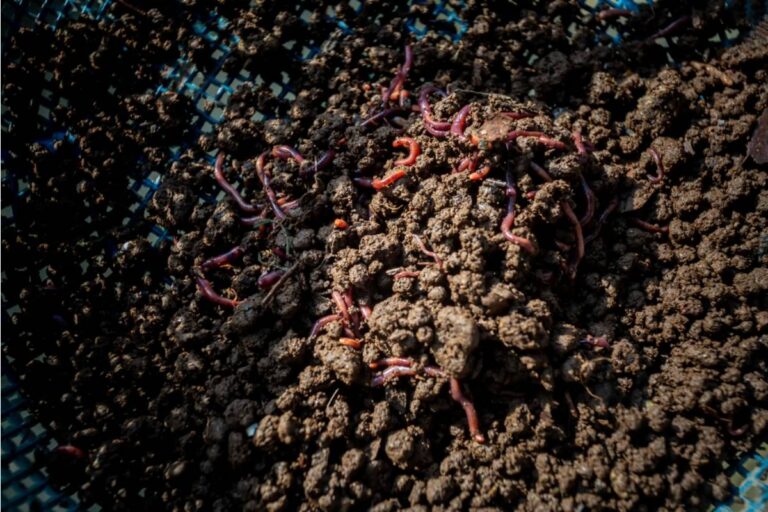
That’s why so many people recommend improving soil before planting anything. Adding compost, understanding drainage, and knowing what type of soil you have can make a major difference in results.
It’s not the most exciting part of gardening, but it’s one of the most important.
“Right Plant, Right Place” Isn’t Just a Saying
Another mistake beginners often make is choosing plants based on how they look, not where they’ll grow.
A plant might look perfect at the store, but if it needs full sun and your yard is mostly shade, it’s going to struggle.
The same goes for water, spacing, and climate.
Many gardeners say they’ve learned to pay attention to their space first.
Where does the sun hit? Where does water collect? What areas stay dry?
Understanding your environment before choosing plants can save a lot of frustration later.
The Spacing Mistake Almost Everyone Makes
There’s one mistake that almost every gardener admits to making at least once.
Planting things too close together.
When plants are small, it feels like there’s plenty of space. It looks neat, full, and efficient.
But as those plants grow, they compete for light, water, and nutrients. They crowd each other, tangle, and sometimes prevent proper airflow, which can lead to disease.
It’s one of those lessons that doesn’t fully sink in until you see it happen.
And once it does, it changes how you plan your garden going forward.
Weeds, Watering, and the Reality of Maintenance
A lot of beginner advice online makes gardening sound simple.
Plant it, water it, and watch it grow.
But experienced gardeners are quick to point out that it’s not always that easy.
Weeds are constant. They don’t disappear. The best way to manage them is often regular attention, not a one-time fix.
Watering also takes more thought than many expect. Outdoor plants often need more water than indoor ones, especially when they’re young.
And consistency matters.
These aren’t complicated concepts, but they’re easy to underestimate when you’re just starting out.
One Tip That Keeps Coming Up: Keep Track of Everything
One of the most practical pieces of advice shared was something many beginners don’t think to do.
Keep records.
What you planted. When you planted it. What worked. What didn’t.
Some gardeners keep notebooks. Others take photos. Some track things digitally.
It doesn’t have to be complicated.
But having that record makes it easier to improve year after year instead of starting from scratch each season.
The Lesson Most People Learn Eventually
If there’s one idea that ties all of this advice together, it’s this.
Gardening is learned through experience.
Mistakes will happen. Plants will fail. Things won’t always grow the way you expect.
And that’s part of the process.
Many experienced gardeners say their best results came after years of trial and error, not from getting everything right the first time.
Why This Advice Resonates With So Many People
What makes this kind of conversation stand out is how relatable it is.
Almost every gardener, no matter how experienced, can look back and remember the mistakes they made early on.
Planting too much. Ignoring soil. Choosing the wrong plants. Underestimating maintenance.
These aren’t rare problems.
They’re almost universal.
And that’s why advice like this spreads so quickly. It feels real, because it is.
What Beginner Gardeners Actually Need to Hear
At the end of the day, most beginners aren’t looking for perfection.
They’re looking for a place to start.
And maybe the most helpful advice isn’t a specific tip at all.
It’s the reminder that gardening doesn’t have to be perfect to be successful.
Start small. Learn as you go. Pay attention to what works.
And maybe most importantly, don’t plant mint in the ground.
Because that’s one mistake almost everyone seems to agree on.