Home Gardening Is Becoming More Climate-Responsive, With People Adjusting Plant Choices Based on Weekly Weather Shifts
Home gardening is becoming more climate-responsive, with people increasingly adjusting what they grow based on weekly weather shifts rather than fixed seasonal plans.
Gardening Is Becoming More Flexible
Instead of sticking to traditional planting calendars, home growers are now adapting quickly to changing weather conditions. A cooler week might encourage leafy greens, while warmer periods favor heat-loving crops. This flexibility helps plants thrive. Gardening is becoming more adaptive. Planning is no longer fixed.
Weather Is Now Part of Daily Decision-Making
Many gardeners regularly check forecasts before deciding what to plant, water, or harvest. Even short-term changes like rain or heatwaves influence choices. This creates a more responsive gardening style. Weather awareness has become routine. Decisions are made week by week.
Plant Selection Is More Dynamic
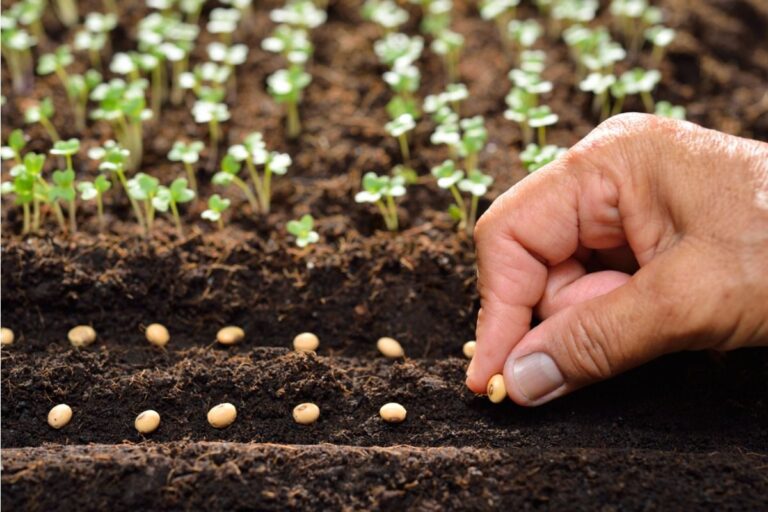
Rather than planting everything at once, growers are rotating crops based on expected conditions. Fast-growing or weather-tolerant plants are chosen during unstable periods. Sensitive crops are reserved for stable conditions. Selection is becoming strategic. Timing matters more than ever.
Watering and Care Are Adjusted Frequently
Climate-responsive gardening also affects how plants are maintained. Rainy weeks reduce watering needs, while dry spells require more attention. This reduces waste and improves efficiency. Care routines shift constantly. Maintenance is no longer static.
Microclimates Are Being Used More
Gardeners are paying attention to small environmental differences around their homes—sunny corners, shaded walls, or wind-protected areas. These microclimates help stabilize plant growth during unpredictable weather. Placement becomes a key tool. Space is used more intelligently.
Technology Is Supporting Smarter Choices
Weather apps and simple gardening tools are helping people track temperature, humidity, and rainfall patterns. Some even use reminders to adjust care routines. Information leads to better timing. Digital tools support decision-making. Gardening becomes more data-aware.
Risk of Crop Loss Is Reduced
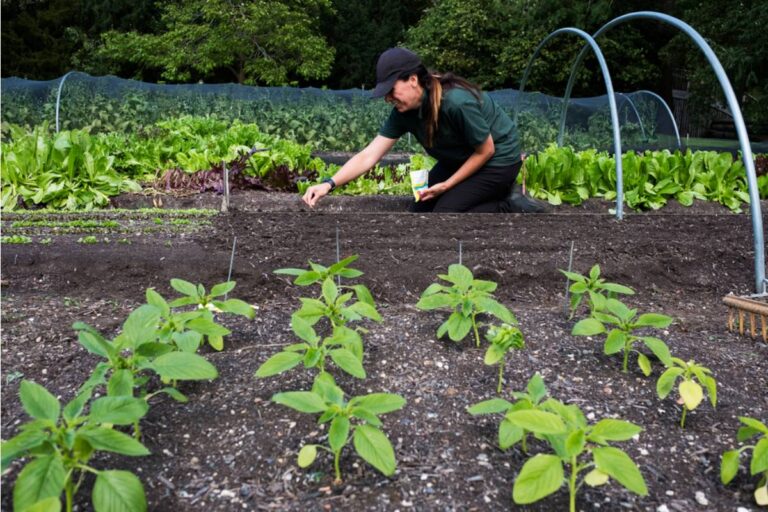
By reacting to weather shifts early, gardeners can avoid damage from unexpected heat, cold, or heavy rain. Plants are moved, covered, or swapped more quickly. This reduces losses. Protection becomes proactive. Flexibility improves survival rates.
Small Gardens Benefit the Most
Compact home gardens and balcony setups respond quickly to changes because everything is more manageable. Adjustments can be made in minutes rather than days. This makes climate-responsive gardening especially effective in small spaces. Speed is an advantage. Control is easier.
Gardening Becomes a Continuous Process
Instead of seasonal planting and long waiting periods, gardening becomes an ongoing cycle of adjustment. Growers are always reacting, planning, and adapting. This keeps the garden active year-round. It becomes a living system. Constant change is normal.
A Shift Toward Smarter Home Growing
Overall, this trend reflects a broader move toward intelligent and responsive gardening. People are no longer treating gardens as fixed systems but as flexible environments shaped by weather. Adaptation is the new strategy. Nature and planning are more connected than ever.
As more home gardeners adjust planting decisions based on weekly weather changes, gardening is becoming less seasonal and more responsive, turning small home spaces into dynamic, climate-aware growing systems.