Home Gardeners Are Turning Old Furniture Into Planters, And It’s Changing How Small Spaces Are Used
Home gardeners are getting creative with limited space, and turning old furniture into planters is becoming a popular way to grow vegetables while adding character to small homes and balconies.
Old Furniture Is Getting a Second Life
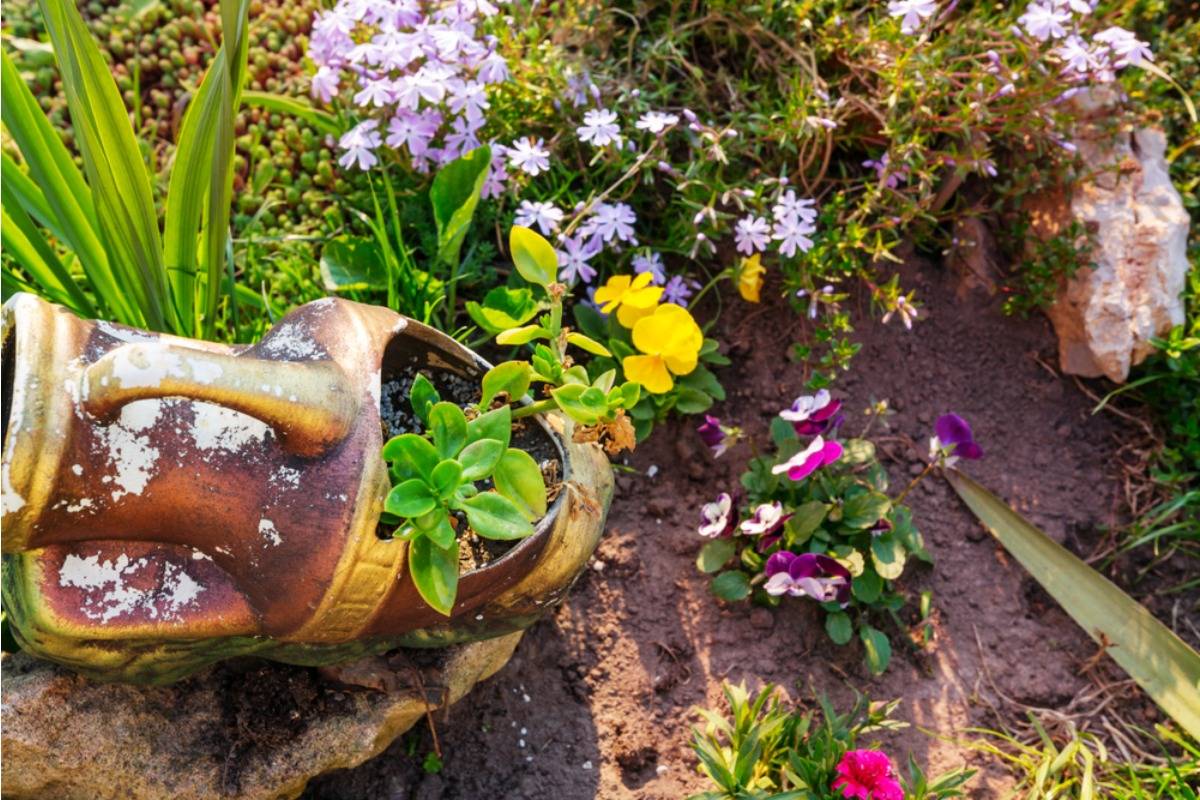
Items like drawers, chairs, cabinets, and even old beds are being repurposed into planting containers. Instead of throwing them away, people are converting them into functional garden pieces. This reduces waste and adds uniqueness. Each piece feels custom-made. Gardening meets creativity.
Small Spaces Are Being Used More Efficiently
Furniture often has built-in levels, compartments, or vertical structure, which makes it perfect for compact gardening. Drawers can hold soil, shelves can support multiple plants, and frames can be used for climbing vegetables. This maximizes every inch of space. Even tight areas become productive.
Vertical Gardening Is Blending With Design
Stacked drawers or upright furniture pieces allow plants to grow vertically. This is ideal for balconies or indoor corners. It increases plant capacity without taking up floor space. At the same time, it adds a decorative element. Gardens are becoming part of home design.
Customization Makes Each Setup Unique
Gardeners can paint, arrange, or modify furniture to fit their style and needs. Drainage holes can be added, sections can be rearranged, and sizes can be adjusted. No two setups look the same. Personal expression becomes part of gardening. Function meets aesthetics.
Herbs and Small Vegetables Work Best
Plants like herbs, leafy greens, strawberries, and small vegetables adapt well to these setups. They don’t require deep soil or large root space. This makes them ideal for furniture-based planters. Growth remains healthy with proper care. Yield is still practical.
Cost-Effective Gardening Solution
Using old or discarded furniture reduces the need to buy pots or containers. Many people use items they already have at home. This lowers startup costs. Gardening becomes more accessible. Budget-friendly solutions are driving adoption.
Indoor and Outdoor Use Is Expanding
These planters are being used both inside homes and on balconies or patios. Indoor setups often combine plants with décor. Outdoor setups focus more on production. The flexibility allows gardening anywhere. Space limitations become less restrictive.
Drainage and Maintenance Need Attention
Furniture wasn’t originally designed for planting, so proper drainage must be added. Without it, water can collect and damage both plants and the structure. Regular maintenance is important. Small adjustments ensure long-term use. Functionality needs planning.
Sustainability Is a Key Motivation
Repurposing furniture reduces waste and promotes reuse. This aligns with eco-friendly gardening practices. People are finding value in what they already own. Sustainability becomes part of the process. Gardening supports a circular approach.
A Blend of Creativity and Practicality
This trend reflects a shift where gardening is not just about growing food, but also about how it fits into living spaces. Furniture planters combine usefulness with visual appeal. They transform ordinary items into productive features. Gardening becomes more integrated into everyday life.
As more gardeners turn old furniture into planters, small spaces are being reimagined in creative ways. For many, it’s not just about growing plants, it’s about turning their home into a functional and personalized green space.