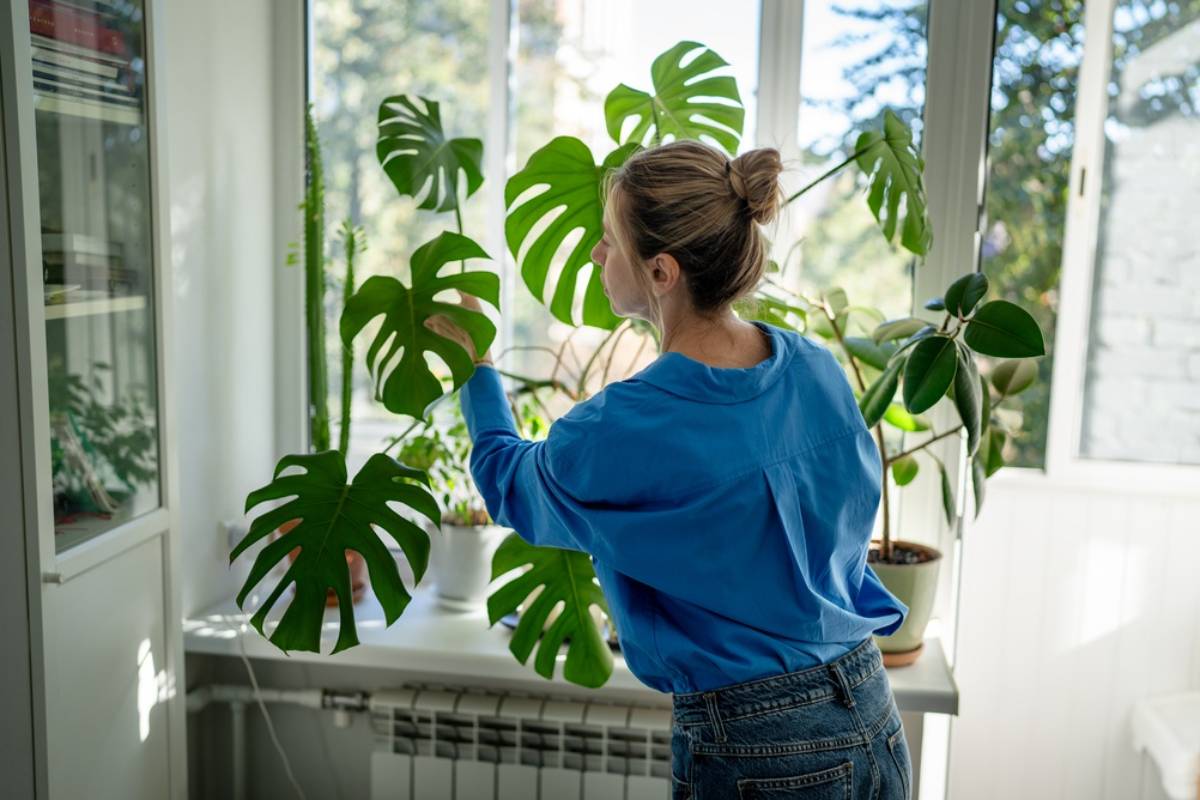
Plant Lover Spent Four Years Keeping a Giant Monstera Alive, Then One Hot Day in the Greenhouse Finally Gave Her Permission to Let It Go
A person shared his story about a houseplant he had owned for four years, although the relationship had become much more complicated than a simple love for greenery. He had rescued the monstera from a discount store and watched it struggle before slowly transforming into a huge, demanding centerpiece. What began as a little plant worth saving eventually became one of those houseplants that seems to grow a second job for its owner.
At first, watching it thrive felt rewarding. The plant kept getting larger until the windowsill could no longer contain it, so it was moved onto the grand piano in the living room. From there, its leaves began swallowing a noticeable amount of sunlight, but the owner kept making room for it because after years of care, the monstera had quite literally grown on him.
The Grand Piano Lost Its Peace
Once the monstera took over the piano, there was no pretending it was a small decorative plant anymore. Its size made repotting increasingly complicated, while its giant leaves competed with the room for sunlight and space. A person shared his story saying that the plant had gradually become less of a charming houseplant and more like a permanent piece of furniture that happened to require watering.
Then came the pests. Fungus gnats became a recurring headache, and at one point an entire colony was apparently living inside the moss pole, turning what should have been a simple support structure into a miniature insect apartment. The plant also developed brown spots from sitting near a western-facing window, yet somehow it kept surviving every complaint its owner could throw at it.
Keeping It Alive Became a Chore
The owner continued caring for the monstera partly because it had been with him for so long. There is something emotionally tricky about throwing away a plant that has survived years of neglect, recovery, pruning, repotting and pest outbreaks. Even when the plant stopped being enjoyable, all that history made getting rid of it feel strangely wrong.
That was the problem nobody could see from the outside. The monstera was technically alive and still had plenty of leaves, so there was always another reason to keep trying. A response from a person would later describe having a similar experience with another difficult plant, proving that sometimes the hardest part of gardening is not keeping a plant alive but admitting that you no longer want to.
The Brown Spots Never Really Went Away
The western window had left the monstera with brown spots that never completely disappeared. Those marks became another reminder of how much work the plant required and how little perfection it seemed willing to offer in return. Even when the leaves looked impressive from across the room, a closer inspection revealed another problem waiting to be noticed.
The owner kept going anyway. He adjusted the plant’s location, dealt with its support system and tolerated the pests because the monstera had already become part of the household. It had reached the point where throwing it away felt less like disposing of a plant and more like admitting defeat to a leafy roommate who had overstayed its welcome.
Then the Thrips Arrived
The real turning point came on a Saturday when the owner carried the monstera onto the porch for some sunlight and a thorough soak. The plant was placed in a small children’s pool so it could absorb water from below, and during that routine care session, something much worse than a few brown spots appeared. The monstera had thrips.
The discovery changed the mood immediately. Instead of coming back indoors after its bath, the plant was moved into a greenhouse so it could be treated away from the other houseplants. The temperature was mild, and the owner planned to let the monstera dry properly before bringing it back inside.
One Forgotten Plant Stayed Behind
Then Sunday arrived, and life got busy. The weather became hot, the day disappeared into other responsibilities, and the monstera was accidentally forgotten inside the greenhouse until late afternoon.
By the time the owner remembered, there was nothing a gentle watering routine could fix. Most of the leaves had turned black from the intense greenhouse conditions, transforming the once enormous plant into something barely recognizable. One small mistake had managed to accomplish what years of fungus gnats, brown spots and repotting headaches had failed to do.
The Pruning Session Was Brutal
The owner pulled the damaged monstera out of the greenhouse and began removing every leaf that had been burned. Piece by piece, the huge plant was cut back until only about four leaves remained.
Unfortunately, even those surviving leaves carried the familiar brown spots from the previous year. After four years of trying to keep the plant looking healthy, the result was a stripped-down monstera with a history of pests, scars and an impressive ability to consume both time and living-room space.
Then Something Unexpected Happened
Instead of feeling devastated, the owner felt relieved. When the remains of the plant were finally taken to the compost pile, there was an unexpected sense of freedom in watching it go.
A person shared his story saying that the relief surprised him because he had spent so long feeling obligated to keep the monstera. The plant had become time-consuming, space-consuming and pest-attracting, yet he had continued caring for it simply because throwing it away felt like giving up. The greenhouse disaster finally provided the excuse he apparently had been waiting for.
The Compost Pile Became a Finish Line
There was something almost therapeutic about the ending. The monstera had started as a rescue plant from a discount store and had spent years becoming bigger, harder to manage and increasingly troublesome. Now it was heading toward the compost pile, and its owner was not mourning the loss so much as celebrating the return of his living-room space.
The twist was that the plant had not really been killed by hatred or neglect. In a strange way, the owner had grown tired of caring for something that he no longer enjoyed, and the greenhouse simply made the decision unavoidable. What looked like a gardening disaster ended up feeling like a long-awaited retirement party.
Other Gardeners Understood Immediately
A response from a person described throwing away a palm after fighting spider mites for three years. They warned that thrips can spread quickly and suggested checking nearby plants, which the original plant owner had already done.
Another response from a person admitted to having a similar philosophy with difficult plants. Some gardeners apparently move struggling plants outdoors and give them one final chance to recover, creating what is essentially a plant version of a last-chance garden.
The “Fight for Your Life” Flower Box
One especially entertaining response from a person described keeping a special window planter as a kind of “fight for your life” zone. Plants that look questionable are placed there to see whether they recover or quickly give up.
The idea resonated with the original plant owner because it offered a guilt-free way to separate struggling plants from the main collection. Instead of constantly forcing yourself to rescue every unhappy plant, the garden gets to decide which ones are actually determined to survive. It turns plant care into something slightly less serious and much more entertaining.
Giving Plants Away Felt Just as Good
Another response from a person explained that several plants had recently been given away simply because they were not thriving and no longer received much attention. They were placed outside in a box marked “free,” and by the time the owner returned home, they had all found new homes.
The unexpected reward was meeting a neighbor who came by later with questions about the potting medium. What started as getting rid of unwanted plants turned into a new gardening friendship, proving that sometimes a plant does not have to stay in your house to remain part of your gardening story.
Even the Moss Pole Was Negotiable
The discussion also turned toward moss poles, which had become one of the monstera owner’s biggest frustrations. Another person admitted to avoiding them because they can become another place for pests to hide and simply did not like their appearance.
A response from a person suggested using a simple branch instead, explaining that several healthy monsteras can climb happily without a traditional moss pole. The original plant owner had already experimented with an old branch, even coating the end with candle wax to help prevent rot.
The Plant Had One Final Complaint
The branch solution apparently worked without any pest problems. The only issue was that the branch had been cut slightly too long and occasionally scraped the ceiling when the pot was moved off the piano.
That tiny detail somehow summed up the entire four-year relationship. Even when the owner solved one problem, the monstera seemed ready to produce another. After fungus gnats, brown leaves, thrips, repotting headaches and greenhouse burns, the ceiling-scraping branch was almost a comedic final chapter.
Letting Go Made Room for Better Plants
A response from a person explained that getting rid of plants that no longer bring joy can actually make gardening more enjoyable. Five plants that were still technically healthy had recently been given away because they were gifts or experiments that simply never became favorites.
The lesson was surprisingly simple. A plant collection does not have to be a museum where every specimen must remain forever, and a gardener does not need to feel guilty for making room for something they genuinely enjoy. Sometimes the healthiest thing for the person holding the watering can is to stop watering one particular plant.
The Garden Was Better Without the Monstera
In the end, the monstera did not receive a heroic recovery arc, and that was perfectly fine. After four years of constant care, it had become something the owner dreaded rather than something he enjoyed, and one sweltering greenhouse afternoon finally broke the cycle.
The strangest twist was that the plant’s spectacular failure felt like success. With the monstera gone, there was more space, fewer pests to worry about and one less demanding task on the gardening schedule. Sometimes the most satisfying gardening decision is not finding a way to save a plant, but finally admitting that your garden deserves something you actually love.