Gardener Says She Left a Note Asking Her Neighbor Not to Let His Dog Dig Near Her Garden Beds Anymore, Then Found the Note Ripped Up and Left on Her Doorstep the Next Morning
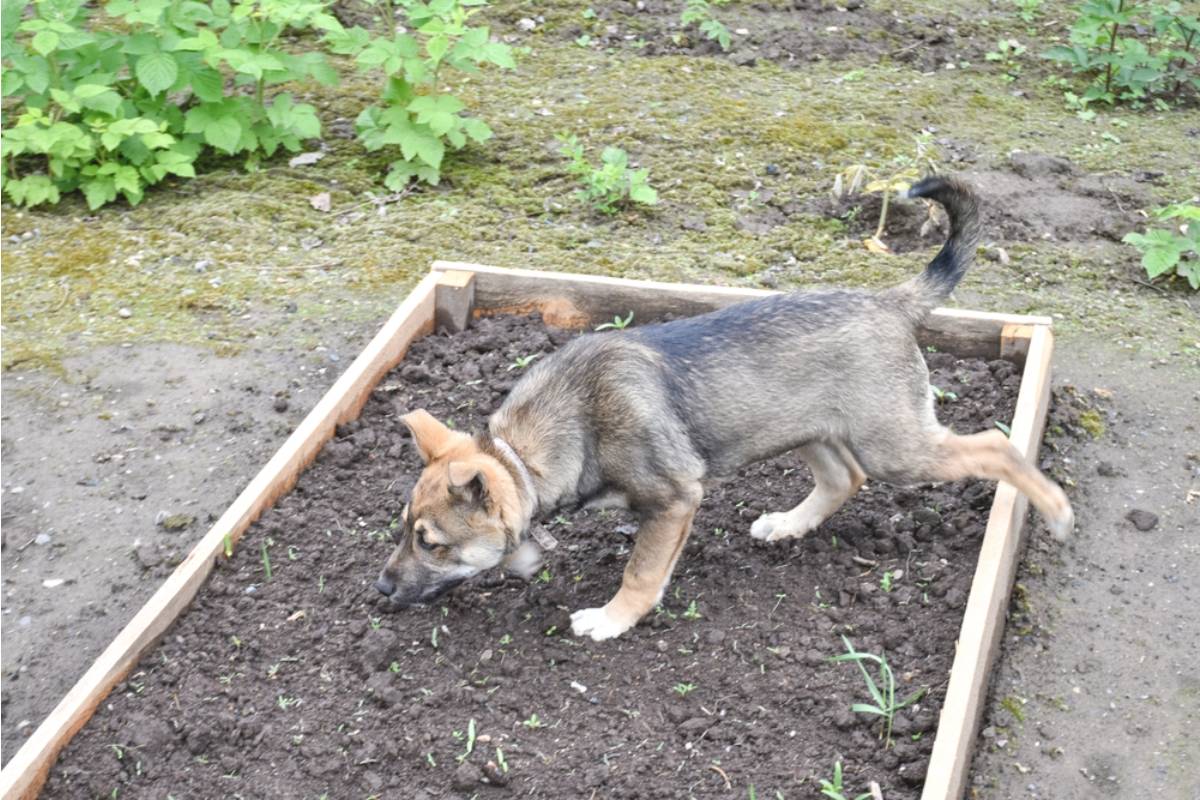
I have always believed that most neighborhood problems can be solved with a simple conversation. My flower beds bordered the fence I shared with my next door neighbor, and for years there had never been a serious issue between us. That changed when his young Labrador discovered that freshly turned garden soil was the perfect place to dig.
At first the damage was small enough to repair with a rake and a few extra plants. By the end of spring, though, entire sections of my garden were being destroyed overnight. I wanted to handle the situation respectfully, so I chose the gentlest approach I could think of.
A Friendly Message Instead of an Argument
My neighbor, Brian, worked long hours and was often gone before I left for work. I rarely caught him outside, so I decided to write a polite note instead.
I explained that his dog had been getting under a loose section of the fence and digging near my vegetable beds. I ended the note by asking if he could repair the opening or supervise the dog more closely.
There was no anger in the letter, only a simple request.
A Hurtful Surprise the Next Morning
When I opened my front door the following morning, the note was lying on my welcome mat. Someone had ripped it into dozens of tiny pieces and scattered them across the porch.
For a moment I thought the wind had somehow destroyed it. Then I noticed every scrap had been carefully piled together.
It was obvious someone wanted me to see exactly what they thought of my request.
The Garden Suffers Again
That evening I walked into the backyard and immediately noticed fresh holes beside my tomato plants. Several newly planted marigolds had been pulled completely out of the soil.
Tiny paw prints covered the damp dirt leading back toward the fence. There was no question about what had happened.
Whatever message the torn note was meant to send, it certainly had not solved the problem.
Trying to Speak Face to Face
A few days later I finally caught Brian pulling into his driveway after work. I walked over and calmly asked whether he had received my note.
He admitted he had seen it but insisted his dog would never damage anyone’s property. Before I could respond, he added that neighborhood cats were probably responsible.
I invited him to look at the paw prints and the holes for himself.
He declined and went inside.
Installing a Camera for Peace of Mind
I disliked the idea of pointing cameras toward my backyard, but I needed to know exactly what was happening. I placed one camera facing the damaged flower beds and another overlooking the fence line.
The first few nights were quiet. Then the alerts started arriving on my phone.
The footage showed Brian’s Labrador squeezing through the broken section of fence exactly as I had described.
The dog happily dug around my plants before wandering back home.
An Unexpected Discovery
As I continued reviewing the recordings, something else caught my attention. The dog had not forced its way through the fence.
Brian was opening the loose section himself before letting the dog into the yard. He stood watching while the dog ran straight toward my garden beds.
When the dog finished playing, Brian called him back through the opening.
Seeing that left me completely stunned.
The Evidence Changes Everything
I saved multiple clips showing the same pattern over several evenings. It was impossible to dismiss the recordings as a misunderstanding.
The dog was not escaping accidentally. Someone was intentionally allowing it onto my property.
That realization hurt more than the damaged plants because it destroyed the trust I thought existed between neighbors.
Another Conversation Ends Badly
I knocked on Brian’s door carrying printed screenshots from the camera footage. Before I could finish explaining, he interrupted me.
He claimed cameras could make things appear different from reality. Then he suggested I was exaggerating because “a few flowers grow back.”
I reminded him that vegetables, flowers, and months of work could not simply be replaced overnight.
He closed the door without answering.
The Community Starts Noticing
The next weekend several neighbors gathered for a block cookout. While chatting, another homeowner mentioned seeing the Labrador wandering through multiple yards.
A retired couple admitted they had repaired their own flower bed several times after similar incidents. Until then, nobody realized the same problem was affecting more than one property.
People began comparing stories, and a pattern quickly emerged.
A Child Says Something Important
During the cookout, Brian’s young daughter quietly approached me while everyone else was talking. She looked nervous before speaking.
She apologized for what the dog had done and explained that she had asked her father not to let him into my yard anymore. She even admitted she saw him tear up my note because he thought it was “too dramatic.”
Her honesty caught me completely off guard.
I thanked her for telling the truth and assured her none of this was her fault.
The Fence Finally Gets Repaired
Several neighbors encouraged Brian to attend the next homeowners association meeting after hearing everyone’s concerns. The conversation remained respectful but direct.
When multiple homeowners described similar damage, Brian realized the issue could no longer be dismissed as one isolated complaint. He agreed to repair the damaged fence section within the week.
Watching workers replace the loose panels felt like the first real step toward solving the problem.
An Apology That Took Too Long
A few days after the fence repair, Brian knocked on my front door carrying a flat of replacement flowers. He admitted he had reacted defensively because he felt embarrassed that his dog had caused problems.
He also confessed that ripping up my note had been childish and accomplished nothing except making the disagreement worse. Hearing those words mattered far more than the flowers he brought.
Acknowledging the truth finally allowed both of us to have the conversation we should have had from the beginning.
Bringing the Garden Back to Life
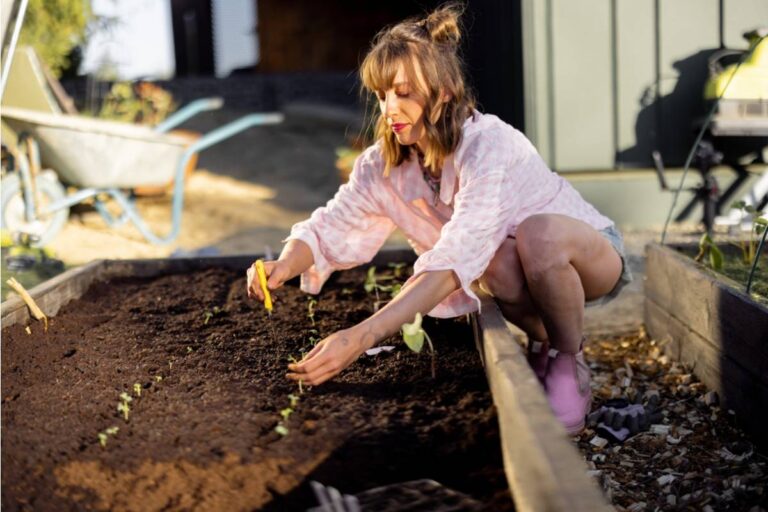
Repairing the damage took patience. I replanted vegetables, replaced flowers, and rebuilt the edges of the garden beds one section at a time.
Some plants recovered surprisingly well, while others had to be started over completely. The work reminded me that gardens are resilient when given enough care.
Slowly, color returned to spaces that had become patches of bare dirt.
A Different Kind of Neighbor
Over the following months Brian began walking his dog on a leash instead of letting him roam freely. Whenever they passed my yard, the Labrador sat politely beside the sidewalk instead of racing toward the fence.
Brian occasionally stopped to ask how the vegetables were growing. Those conversations felt genuine because they were no longer clouded by denial.
Trust did not return overnight, but it slowly started growing again.
Looking at the Doorstep One Last Time
Every time I step onto my front porch, I still remember finding that torn note scattered across the welcome mat. At the time it felt like a clear message that kindness had failed.
Looking back, I realize the real problem was never the piece of paper. It was the unwillingness to listen before the situation became much bigger than it ever needed to be.
The garden eventually healed, the fence stayed secure, and the neighborhood moved forward. Still, I learned that respect between neighbors is planted the same way as any healthy garden, through consistent care, honest communication, and the willingness to protect what belongs to someone else.