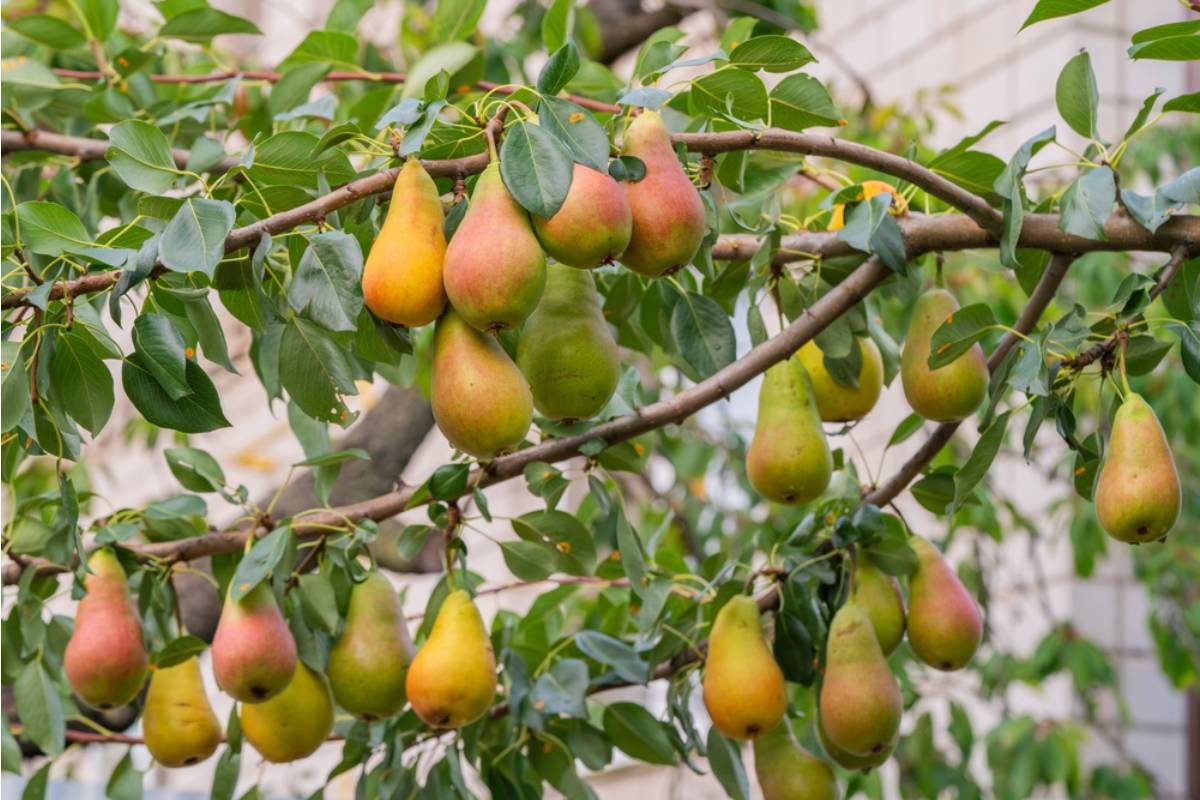
Homeowner Says Her Neighbor Waited Until Four Fruit Trees Finally Produced Fruit, Then Moved the Fence Line to Claim Them
A person shared his story about four mature fruit trees that had been part of his property for more than twenty years. Three previous owners had enjoyed them, and the older neighbor next door had apparently never objected to their presence. The trees grew peacefully on the family’s side of the fence, producing fruit while everyone went about their lives.
Then, after decades of nobody caring about the exact fence placement, everything suddenly changed. The neighbor, a 75-year-old woman the storyteller jokingly called Fruit Tree Fiona, decided the property line needed to be corrected. The timing was especially suspicious because the trees had finally started producing an impressive crop.
Everything Was Fine Until a New Boyfriend Appeared
For years, the fence had simply been part of the landscape. The neighbor’s late husband had reportedly been perfectly comfortable with the arrangement, and there had never been a dramatic dispute over the trees. Then Fiona got a new boyfriend, nicknamed Contractor Craig, and the conversation around the fence suddenly became much more serious.
According to the story, Fiona began saying the fence was going to be moved. She did not appear particularly interested in discussing the exact location or explaining why the change was suddenly necessary. To the homeowner, it looked less like routine maintenance and more like someone had spotted four valuable fruit trees and decided they belonged on the other side of a future fence.
Six Months of Mysterious Fence Warnings
Beginning in April, Fiona repeatedly announced that the fence would be starting soon. Whenever the homeowner asked for basic details about where the new fence would actually go, the answers disappeared along with her. Messages supposedly went unanswered for weeks, leaving the homeowner wondering whether construction was happening tomorrow, next month, or sometime after the trees had finished another growing season.
The strange communication continued for roughly six months. Fiona allegedly insisted she had trouble responding to texts and emails, while the homeowner kept trying to get enough information to protect the irrigation system beneath the trees. Every unanswered question made the eventual fence project feel more suspicious.
The Survey Document Raised More Questions
In August, Fiona reportedly filed a corner record involving an old property marker. The document apparently confirmed that a marker dating back to 1985 was still present, but the homeowner questioned whether that old marker actually represented the fence line as everyone had historically used it. Suddenly, a tiny piece of paperwork had become extremely important to four very large trees.
The proposed fence line was even stranger because it seemed to create a peculiar rectangle around the fruit trees. The other fencing on the property reportedly followed a much more natural pattern, while this new section appeared to bend in a way that conveniently captured the trees. For the homeowner, the geometry was hard to ignore.
Four Fruit Trees Became the Center of Everything
The planned fence allegedly would place all four fruit trees inside Fiona’s newly claimed area. The rest of her seven-acre property would remain essentially where it had always been, making the tiny adjustment around the trees look particularly deliberate. It was as though decades of peaceful landscaping had suddenly become a treasure hunt with fruit at the center.
The homeowner had invested years in watering, pruning, and caring for those trees. Their value was not just financial, because the trees had been one of the reasons the family wanted the house in the first place. Losing them to a newly adjusted fence would therefore feel like much more than losing a few plants.
Then Came the Infamous “Sounds Like You Got Duped”
Eventually, the homeowner managed to speak with Fiona, even having to call from a work number because the neighbor had blocked the usual number. The conversation centered around the fence details and the irrigation system that needed to be changed before construction. The homeowner also explained that the fruit trees mattered because they were part of the reason the property had been purchased.
Fiona’s response was reportedly only a few words, but they landed like a shovel to freshly planted soil. She told the homeowner, “Sounds like you got duped.” According to the storyteller, the immediate reaction was essentially that Fiona herself was the person doing the duping.
The Money Dispute Made Everything Even Uglier
The fence fight was not the only source of tension between the neighbors. Fiona allegedly owed the homeowner $200 for shared driveway maintenance and another neighbor another $200 as well. Yet while she claimed she could not afford to pay those debts, she reportedly continued taking expensive vacations and announcing trips to places such as Europe, Tahoe, and Disney World.
At the same time, money was apparently available for the fence reconstruction. That contrast made the homeowner even more frustrated because the dispute was no longer just about property lines and trees. It had become a story about someone saying one thing about money while apparently spending freely on other priorities.
Packages, Driveways, and One Very Strange Pattern
The fruit-tree dispute also came with a collection of other complaints. According to the story, Fiona would allegedly move packages around the shared driveway to hide them and sometimes open packages that were not hers before claiming it was an accident. Each incident on its own might have been dismissed as an awkward misunderstanding.
Together, however, they painted a much more complicated picture. The homeowner described a neighbor who seemed determined to control tiny details around the properties, from deliveries to shared maintenance to fence placement. The fruit trees simply happened to be the latest and most valuable thing in her line of sight.
Even the Neighborhood Cat Story Was Unforgettable
Then there was the heartbreaking story about Fiona’s cat. The homeowner said the older woman refused to take the animal to a veterinarian because she wanted it to die on her pasture, yet the cat reportedly ended up near the family’s back door looking for food and care.
That detail added another emotional layer to an already bizarre neighborhood relationship. While the fence dispute was making everyone angry, the cat situation reminded the homeowner that there could be more going on behind Fiona’s actions than simple pettiness. Still, sympathy did not make four fruit trees disappear any less easily behind a new fence.
The Homeowner Started Building a Case
Rather than relying only on arguments at the property line, the homeowner began documenting everything. Photos, videos, timelines, communications, and information about the old fence all became part of a growing record. The goal was to establish exactly what had existed, how long it had existed, and what had changed once Fiona decided to rebuild.
The homeowner also contacted several local or property-related officials and professionals, although the responses were reportedly disappointing. Some said enforcement was outside their role, while another surveyor was described as being connected socially to Fiona. With every dead end, the temptation to fight back with pure pettiness became stronger.
The Survey Idea Was Expensive but Tempting
One obvious option was to hire an independent surveyor to establish the actual boundary. The homeowner knew that a professional survey could potentially reveal whether an old marker or fence line had been misplaced. The problem was that the estimated cost was around $3,000 or more, which was a painful amount to spend simply to prove where four trees had always seemed to belong.
Still, the idea of having a definitive answer was difficult to resist. The homeowner even joked about framing the evidence and displaying it in a window facing Fiona’s house if the old marker turned out to be wrong. The mental image of a framed property-line correction hanging like a piece of modern garden art was almost too perfect.
Suddenly, Every Fruit Branch Had a Story
The homeowner also started thinking about what would happen after the new fence went up. If branches eventually crossed from the trees into the homeowner’s remaining space, there would suddenly be an entirely new set of pruning questions. The storyteller joked about giving the branches suspiciously enthusiastic haircuts, provided everything remained legal.
Other petty ideas involved collecting leaves, blowing debris, and making ordinary yard work extremely noticeable. The point was less about actually damaging anything and more about imagining harmless ways to return some of the irritation Fiona had created. After months of evasive messages, fantasies about exaggerated lawn maintenance were apparently becoming therapeutic.
The Old Written Agreement Changed the Stakes
Then came an important piece of context that made the situation even more complicated. The homeowner said there was a written agreement associated with the purchase of the house stating that the fences might not be positioned exactly on the property lines. More importantly, the agreement reportedly indicated that the neighbor did not want the trees and considered them the homeowner’s responsibility.
That document suddenly became one of the most important pieces of paper in the entire story. The homeowner had believed Fiona’s earlier statement that the trees could remain, so there had been no immediate reason to rip out irrigation or move the plants. Instead, the family left everything in place and trusted that the trees would stay where they had been for years.
The Fence Construction Revealed the Real Plan
Then construction finally began, and the homeowner discovered that Fiona’s version of “you can still keep your trees” apparently did not mean what they had expected. The fence was being placed directly along the claimed property line instead of leaving the trees on the family’s side. After six months of vague warnings, the actual plan became clear only when the workers arrived.
That was the moment the entire situation came together. The trees that had stood peacefully for more than twenty years were suddenly enclosed on Fiona’s side of a newly constructed fence. The homeowner had spent months trying to understand what was happening, only to discover the answer when the fence itself physically cut the garden out of reach.
The Fruit Was Finally Growing, and So Was the Conflict
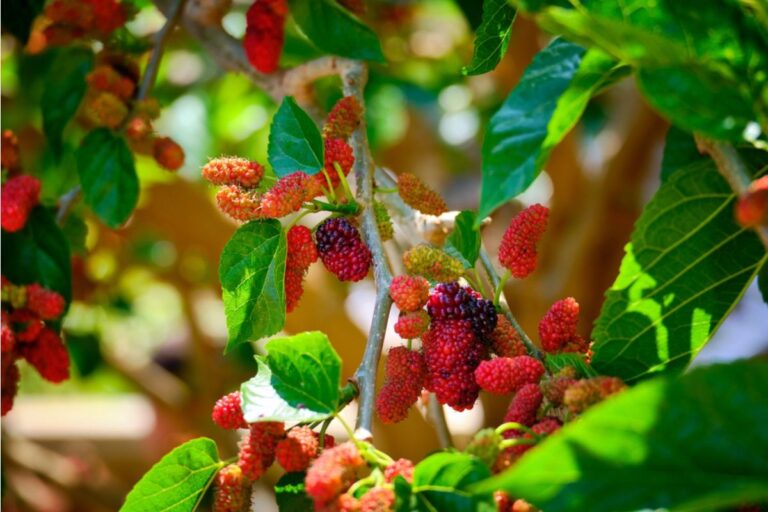
There was a particularly painful irony in the timing. The four fruit trees had finally reached the point where they were producing fruit, making years of watering and pruning feel worthwhile. Just as the garden was entering its rewarding stage, the property line dispute threatened to take the trees away.
The fence had therefore arrived at exactly the wrong moment from the homeowner’s perspective. What had once been a quiet backyard garden was suddenly the centerpiece of a property battle involving old markers, survey records, irrigation lines, unpaid bills, and a determined neighbor. The fruit trees were no longer just plants, they were evidence of a twenty-year history.
The Responses Suggested Fighting With Paperwork, Not Pruning Shears
A response from a person urged the homeowner to stop relying on arguments and get an independent survey and qualified property attorney. Other responses from people pointed toward title insurance, historic documents, property records, and the possibility that years of established use could matter depending on the exact circumstances. The general theme was that this was too complicated to solve with a tape measure and a grudge.
Another response from a person specifically warned against cutting down the trees out of spite. Mature fruit trees can potentially create serious disputes of their own, and nobody wanted the homeowner to turn a fence argument into a much more expensive gardening disaster. Suddenly, the safest form of revenge was also the least dramatic one: keep the records, protect the plants, and let professionals determine what the boundary actually is.
The Pettiest Revenge Became the Biggest Question
Despite all the legal suggestions, the homeowner still wanted harmless ways to make Fiona regret the situation. Ideas about noisy leaf cleanup, exaggerated yard maintenance, and other perfectly ordinary gardening activities became part of the conversation. There was something almost poetic about imagining a leaf blower becoming the soundtrack to a fence dispute over four fruit trees.
Yet underneath all the jokes was a serious frustration. The homeowner did not want to destroy the trees or create a dangerous confrontation, they simply wanted some satisfaction after being ignored for half a year. The great neighborhood revenge fantasy had become a contest between two forces: Fiona’s fence and the homeowner’s determination not to quietly surrender.
The Real Twist Was Sitting in the Garden All Along
The strangest part of the story may be that the four fruit trees were not newcomers. They had survived multiple owners, a previous neighbor’s approval, years of irrigation, and decades of quiet growth before the current dispute ever began. Fiona’s sudden interest appeared only after the trees matured into something worth fighting over.
And that is what gave the whole saga its perfect gardening twist. The trees had spent twenty years doing exactly what fruit trees are supposed to do: grow slowly, establish themselves, and eventually produce something valuable. Now a single new fence had turned their long history into the center of a neighborhood battle, leaving everyone wondering whether the final chapter would be decided by a surveyor, an attorney, or four stubborn trees that had been there long before the argument ever started.