Homeowners Say Their Landlord Visits Almost Every Day to Tend Her Flower Beds, Then Realize Their Beautiful Yard Comes With an Unexpected Price
A person shared his story about moving into a new rental home in Wisconsin, expecting to settle into a comfortable routine and enjoy a little peace outdoors. Instead, the new tenants discovered that their landlord had a habit of showing up almost every day to work on the yard. She tended her flower beds and kept the outdoor space looking beautiful, but her frequent visits quickly became an unexpected part of their daily lives.
At first, the situation did not seem particularly alarming because the property looked well cared for. The lawn was in good shape, and the flowers gave the yard a welcoming appearance. However, the tenants soon found themselves wondering whether renting a home meant sharing their outdoor space with the person who owned it.
A Beautiful Yard With an Unusual Routine
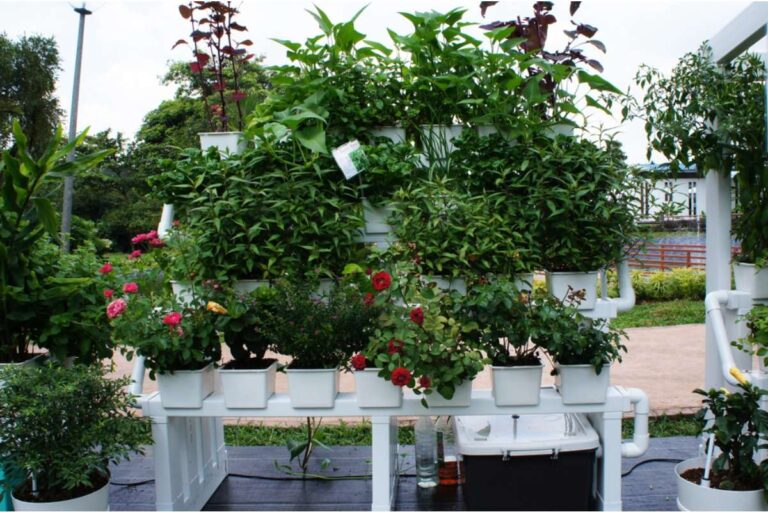
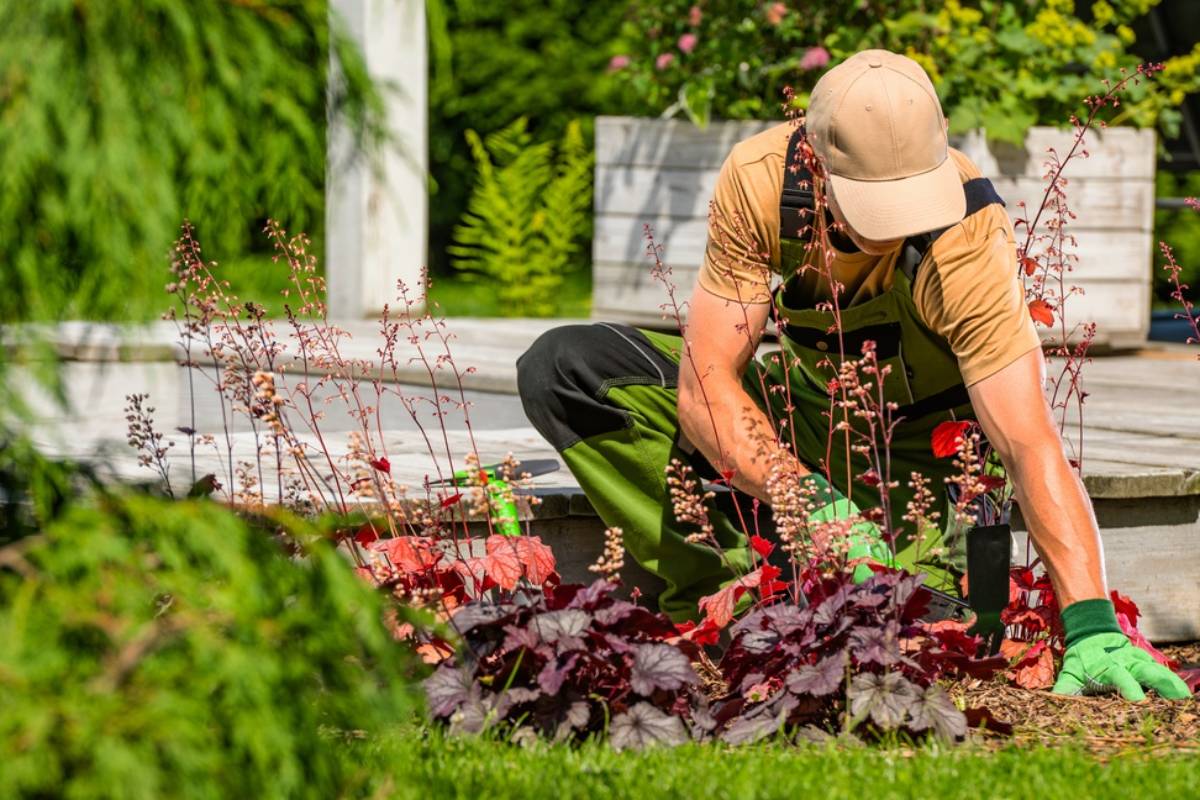
The landlord apparently took her gardening responsibilities seriously, visiting the property regularly to maintain the flower beds and other parts of the yard. Her dedication might have delighted a gardening enthusiast who enjoys watching someone nurture a landscape. For tenants hoping to enjoy their own private outdoor retreat, however, the arrangement felt considerably less charming.
The unusual part was that the landlord was not simply stopping by occasionally to handle a necessary repair. According to the tenant, she appeared almost every day, making the garden a regular meeting point between the property owner and the people renting her home. What looked like excellent landscaping from the street was becoming a source of uncertainty behind the scenes.
The Lease Added Another Layer to the Mystery
There was another detail that made the arrangement more confusing: the lease reportedly stated that the tenants were responsible for yard work. That raised an obvious question about why the landlord was doing so much of the gardening herself. Perhaps she wanted to protect her flower beds, maintain a particular landscape design, or simply enjoy working among her plants.
Whatever her reasons, the arrangement left the tenants unsure about where their responsibilities began and ended. If they were expected to maintain the yard, they might reasonably wonder whether the landlord wanted them to handle the work or preferred to do it herself. A beautifully maintained garden can be a wonderful rental feature, but unclear expectations can turn even routine lawn care into an awkward situation.
Gratitude Was Competing With Frustration
The tenant did not portray the landlord’s gardening as entirely negative. In fact, he acknowledged that there was something to appreciate about having someone take care of the outdoor space. Many renters would welcome a landlord who voluntarily keeps flower beds tidy and prevents the yard from becoming overgrown.
The problem was that the tenants also wanted to enjoy their home without constantly encountering their landlord. They were not asking for an abandoned garden or an overgrown lawn, but for the freedom to relax outdoors without feeling observed. That distinction became the heart of the dilemma: the landlord’s actions were helpful in one sense while making the property feel less private in another.
The Garden Was Supposed to Be Part of Home
For many people, a yard is more than a patch of grass surrounding a building. It is a place to drink morning coffee, read a book, grow vegetables, or sit outside after a long day. Even a small flower bed can make a rental feel personal and inviting, especially when tenants have been looking forward to having outdoor space.
But that enjoyment can disappear when someone else is regularly working just a few steps away. The tenants wanted to use their surroundings naturally, without having to consider whether the landlord might arrive at any moment. The situation showed how a garden can be physically attractive while still failing to feel like a private extension of home.
The Landlord Lived Close Enough to Drop By Easily
The landlord’s location made the situation more complicated because she reportedly lived only a block away. That short distance meant visiting the property required little planning or effort. A quick walk could bring her back to the flower beds whenever she wanted to work outside.
For a landlord who loves gardening, having a nearby garden to maintain might sound irresistible. Yet proximity can also make boundaries harder to establish when the property is occupied by tenants. What feels like a convenient gardening routine to one person may feel like a constant interruption to someone who simply wants to enjoy their home.
Then Came the Memory That Changed Everything
The tenants had another reason to feel uneasy, and it involved something that happened when they first moved in. According to the account, the landlord entered the house one morning without waiting for the tenants to let her in. She reportedly explained that she thought they were not home.
The explanation did not necessarily reveal malicious intent, but the incident gave the later garden visits a different meaning. The tenants were no longer thinking only about someone tending flowers too frequently. They were also considering whether the landlord understood the difference between owning a property and having unrestricted access to the lives of the people renting it.
An Unexpected Invitation Had Complicated the Move
The tenant explained that the landlord had explicitly allowed them to spend one night at the property before their regular move-in arrangements began. That detail may help explain why the landlord believed she had some familiarity with the household’s schedule. However, permission to stay one night would not automatically mean permission for the landlord to enter whenever she assumed the property was empty.
Moving into a new home often involves a confusing collection of arrangements, keys, schedules, and expectations. A misunderstanding during that period can become especially uncomfortable if nobody discusses boundaries afterward. In this case, the early entry remained an important part of the tenants’ concerns as the landlord continued visiting the yard.
A Response From a Person Offered a Simple Explanation
A response from a person suggested that gardening might simply be the landlord’s hobby. It was a straightforward possibility that offered a less sinister explanation for the repeated visits. Some gardeners genuinely find it difficult to stay away from their plants, particularly during the growing season when flowers need attention and weeds seem to appear overnight.
That explanation made sense without necessarily resolving the tenants’ problem. A person can have an innocent reason for visiting a garden and still need to respect the privacy of the people living on the property. Loving flowers is one thing; making other people feel unable to enjoy their own backyard is another.
When a Hobby Becomes an Everyday Interruption
Gardening hobbies can easily become part of a person’s daily routine. Enthusiasts might water containers in the morning, deadhead flowers in the afternoon, and return outside in the evening because they noticed a plant that needed attention. For someone who owns the property, those repeated visits may feel completely ordinary.
Tenants, however, experience the same routine from a different perspective. They may feel reluctant to sit outside, invite friends over, or spend time in the yard when the landlord could appear at any moment. The conflict is not necessarily about the flowers themselves, but about whether the tenants can comfortably use the space they are paying to rent.
The Real Question Was About Privacy
The tenant’s central concern was whether this kind of arrangement was normal and whether anything could be done about it. The account did not establish that the landlord was deliberately trying to intimidate the tenants, and her gardening could have been motivated entirely by personal enjoyment. Still, the combination of frequent visits and the earlier entry into the home understandably raised questions about boundaries.
Rental rules vary by location and by the circumstances of a visit, so the exact legal position cannot be determined from the story alone. In general, tenants can review their lease and local requirements concerning landlord entry, notice, and use of rented outdoor spaces. A clear conversation about when the landlord plans to work in the yard could also help establish expectations before frustration grows.
A Garden Can Be Shared Without Feeling Intrusive
There are ways to preserve a beautiful garden while giving tenants more breathing room. A landlord and tenant might agree on specific gardening days, clarify who maintains the flower beds, or establish a schedule for work that requires access to the property. Such arrangements can protect the landscape without making the tenants feel that their outdoor space is permanently occupied.
Clear communication also helps prevent misunderstandings about responsibilities. If the landlord wants to maintain particular flowers herself, that should be discussed rather than left for the tenants to guess. A garden can remain a source of pride for its owner while still allowing the people who live there to enjoy a reasonable sense of privacy.
The Twist Was That Nobody Was Complaining About the Flowers
The most interesting part of the story was that the tenants were not upset because the yard looked neglected. Quite the opposite: the lawn was reportedly in good condition, and the landlord was putting effort into keeping the flower beds attractive. The very thing that might have made the rental more appealing was also creating an uncomfortable living arrangement.
That contrast is what made the situation so difficult to explain. A messy yard might have prompted complaints about maintenance, but a well-kept garden created a more complicated question about access and personal space. Sometimes the problem is not that someone is doing too little for a property, but that they have not realized when to step back.
The Final Lesson for Garden-Loving Landlords
The story offers a useful reminder for anyone who owns a rental property with a carefully maintained landscape. A passion for gardening is a wonderful thing, and keeping a yard healthy can benefit everyone who lives there. But the enjoyment of tending flowers should not overshadow the importance of respecting the tenants’ home and privacy.
For renters, the experience also highlights the value of discussing yard responsibilities and access expectations before small frustrations become major disputes. A garden should be a place where people can relax, appreciate nature, and enjoy a little peace. When a landlord’s daily gardening visits begin to interfere with that simple pleasure, even the prettiest flower beds may not be enough to make the arrangement feel comfortable.