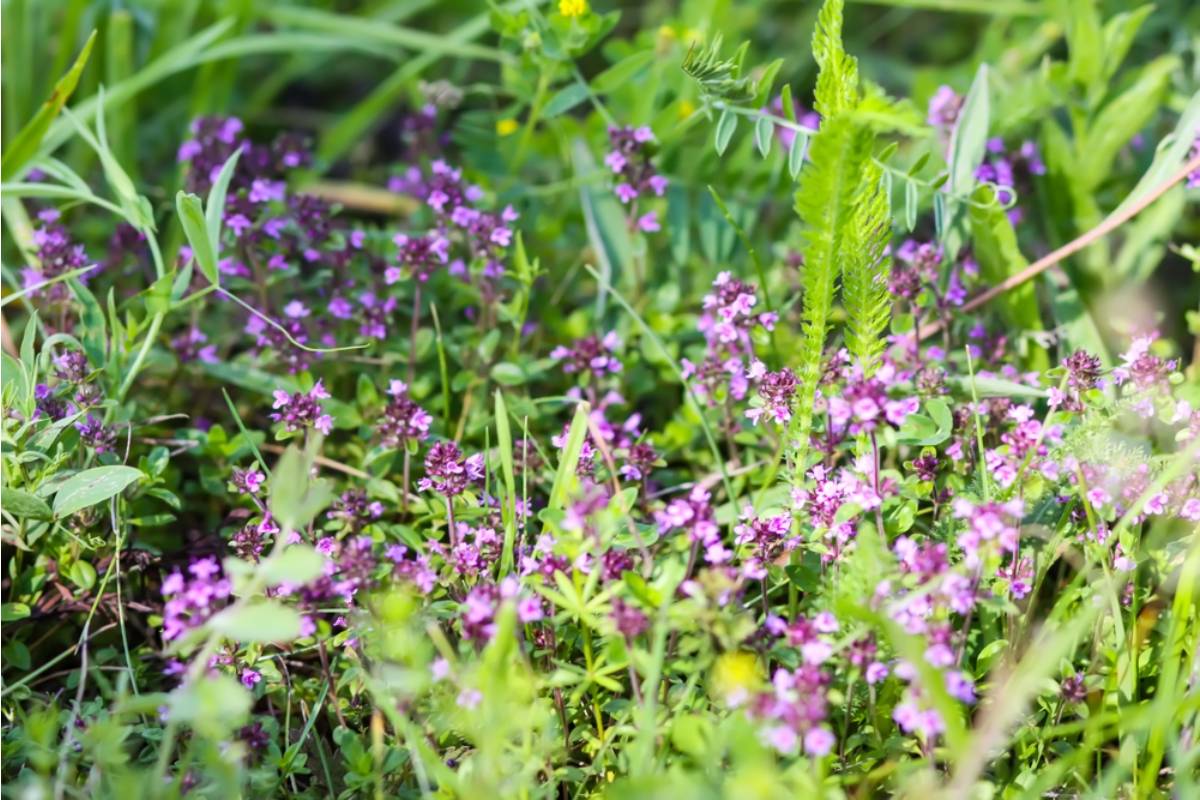
Homeowner Says Her Wildflower Meadow Was Reported to the City, Then the Violation Notice Revealed the Fight Was Really About What Counts as a “Maintained” Yard
A person shared his story after a garden project in front of his home suddenly turned into a dispute with the city. He had transformed the strip of land between the sidewalk and street into a wildflower meadow filled with plants intended to support native wildlife. His neighbor had never been enthusiastic about the project, but the homeowner apparently never expected that disagreement to become an official complaint.
Then the city sent a violation notice, and the entire situation changed overnight. What had felt like an ordinary gardening project suddenly looked like something that could potentially force him to tear out months of work. The homeowner was left wondering whether the garden had to disappear or whether there was another way to fight the decision.
The Neighbor Had Never Been a Fan
The homeowner described the neighbor as petty and made it clear that the disagreement had been building for some time. The wildflower meadow apparently stood out from the more traditional lawns nearby, which may have made it especially noticeable to someone who preferred a conventional yard. What had started as a personal gardening choice had gradually become a neighborhood irritation.
The complaint itself became the turning point because the homeowner was no longer dealing only with an unhappy neighbor. A city inspector had now become involved, and there was an official document attached to the dispute. Suddenly, the question wasn’t whether the neighbor liked the garden, but whether the city believed the homeowner was violating a rule.
Then the City Notice Arrived
The violation notice was enough to make the homeowner consider whether professional legal help was necessary. The wording apparently referred to maintaining the tree lawn and keeping it free from a nuisance, which immediately created confusion about what the city actually objected to. Nowhere did the homeowner see an obvious sentence saying that a wildflower garden was forbidden.
That distinction became the center of the discussion among people responding to the story. Several pointed out that a complaint and an actual violation were not necessarily the same thing. Before ripping everything out, they urged the homeowner to determine exactly which part of the local ordinance the city believed had been broken.
The First Advice Was Surprisingly Simple
One response from a person offered a straightforward first move: read the official ordinance carefully. The suggestion was to find the exact section cited by the city instead of relying on assumptions about what the notice meant. That advice sounded almost too simple, but it became important because the language of the rule appeared more complicated than the violation notice made it seem.
Another response from a person suggested contacting the code inspector directly. Rather than immediately hiring a lawyer or launching a public fight, the homeowner could ask what specifically needed to change. That conversation could reveal whether the problem was the plants themselves, their height, their placement, or something else entirely.
The Definition of “Tree Lawn” Mattered
The dispute centered on an unusual term that many people had never encountered before: tree lawn. In the relevant city ordinance, the term referred to the area between the curb and sidewalk, or the corresponding strip beside a property when no sidewalk existed. In other places, people might call the same area a parkway, parking strip, grass strip, or hellstrip.
The name sounded harmless, but the legal definition mattered because the city treated that space differently from an ordinary private garden. The homeowner could be responsible for maintaining the area even if the city retained certain rights over it. That created an awkward situation where someone could be expected to care for the space while still having limits on what could be planted there.
Was the Meadow Actually a Nuisance?
Several responses from people focused on the ordinance’s definition of a nuisance. The language appeared to emphasize conditions or objects that interfered with ordinary use of the tree lawn, including refuse and other materials that could obstruct people traveling through the area. That made some people question whether a properly maintained meadow automatically qualified as a nuisance.
The situation became more complicated because a tall meadow could potentially create practical problems even if the plants themselves were harmless. Plants extending into a sidewalk could interfere with pedestrians, while vegetation near a driveway or intersection could affect visibility. That meant the homeowner might have had a stronger position if the garden remained clearly contained and did not interfere with ordinary passage or sightlines.
The Height of the Plants Could Change Everything
A response from a person pointed out that the ordinance might not be as simple as saying every plant other than grass was prohibited. If the real concern involved accessibility, visibility, or obstruction, then reducing the height or rearranging certain plants could potentially solve the city’s concern without destroying the entire project. The garden might need to change, but that was very different from eliminating it.
Other responses raised a similar possibility by suggesting low-growing alternatives. Clover, violets, and other groundcovers could potentially provide a compromise if taller vegetation was the problem. The homeowner’s goal of avoiding a conventional lawn might still have been possible, even if the original meadow design had to be adjusted.
Then Someone Looked at the Law More Closely
One response came from a person who identified himself as a lawyer, while making clear that he was not representing the homeowner. He argued that vague wording could potentially work in the homeowner’s favor if the ordinance did not clearly prohibit the specific garden being targeted. His reasoning was that government rules generally cannot simply be stretched beyond what their language actually establishes.
He also suggested looking beyond the wording of the ordinance and examining the legislative intent behind it. If the rule was created primarily to keep sidewalks accessible or preserve visibility around streets and driveways, that purpose could potentially help explain what the city was actually trying to prevent. Suddenly, the dispute looked less like a battle over flowers and more like a question about what the ordinance was designed to accomplish.
The Homeowner Had Another Option Besides Fighting
Not everyone thought the best move was to immediately challenge the city. A response from a person recommended being extremely polite and speaking directly with the employee handling the case. The idea was to explain that the area was intentionally planted, maintained, and designed to support native wildlife rather than simply being abandoned.
That approach had worked for someone else who had faced a similar complaint. After explaining the purpose of the planting and asking what could be done to bring the property into compliance, the homeowner in that story was given practical guidance instead of simply being ordered to remove everything. The lesson was that the person receiving the complaint might have more flexibility than the violation notice initially suggested.
Another Homeowner Had Faced the Same Problem
One response from a person described a remarkably similar experience involving a native garden and a code enforcement complaint. Their garden had initially been labeled as containing “noxious weeds,” and they were ordered to mow it. Instead of immediately destroying the planting, they contacted the enforcement agent and explained that the plants were part of an intentional native garden.
The homeowner also explained where some of the plants had come from, including a state-supported program. That information changed the conversation because the plants clearly weren’t random weeds that had been ignored. The homeowner was already mulching the area, so finishing that work helped make the garden’s intentional design more obvious to the inspector.
Certification Became an Unexpected Strategy
Another response from a person described a different way of dealing with a yard complaint. After someone reported their property, they spoke with the inspector and explained that the planting was intended to provide habitat for native wildlife. The inspector suggested obtaining a certification recognizing the property as a bird and butterfly sanctuary.
The certification did not necessarily create legal protection, but according to that person, it helped persuade officials to leave the garden alone. Other people suggested looking into wildlife habitat programs and pollinator-related certifications as well. The strategy was less about finding a magical loophole and more about documenting that the property was deliberately managed for a specific ecological purpose.
But a New Problem Appeared
The certification idea sounded promising until another response from a person pointed out an important limitation. Calling a garden a wildlife habitat would not automatically erase a municipal requirement if the ordinance genuinely prohibited something being done on the tree lawn. A different name could describe the purpose of the planting, but it could not necessarily override the actual wording of the law.
That distinction prevented the conversation from becoming too simple. The homeowner couldn’t merely rename the meadow and assume the violation disappeared. The real issue remained whether the garden’s physical characteristics violated a specific rule, and that meant the official ordinance still mattered more than the label attached to the project.
Some People Thought the City Was Being Too Rigid
The story also attracted plenty of frustration from people who were accustomed to seeing native plant gardens treated as legitimate landscaping. Several responses questioned why a carefully maintained meadow should automatically be considered inferior to a conventional lawn. To them, replacing grass with native flowers and plants was an intentional environmental improvement rather than neglect.
One response even described a property in an affluent neighborhood where the owners had registered their land as a native wildlife restoration sanctuary. The property reportedly contained so many shrubs, fruit trees, and wildflowers that the house was barely visible, much to the frustration of the surrounding homeowners’ association. The story became a favorite example of how an unconventional garden could survive even in a neighborhood obsessed with perfectly manicured lawns.
Then Came the Most Entertaining Suggestion
Amid all the serious legal discussion, one response from a person offered a dramatically different idea. If the city insisted on grass, the homeowner could respond by planting an enormous amount of grass instead. The suggestion was essentially malicious compliance, with tall prairie species turning the demand for a traditional lawn into something considerably more dramatic.
Other people joined in with stories about tall native grasses and how enormous some prairie plants could become. One person initially identified a plant as big bluestem, only for another knowledgeable gardener to explain that the plant was actually Canada wild rye. The gardening side discussion became almost as entertaining as the original dispute, especially because it showed just how different native plants could look from the tidy lawns surrounding them.
The Real Concern Might Have Been Access
Not every response defended the meadow without qualification. Some people pointed out that the strip between the curb and sidewalk exists partly to give pedestrians a usable path between parked cars, streets, and sidewalks. If tall plants made it difficult for someone to cross the area, the city’s concern could have a practical basis even if the garden itself was attractive.
A response from a person also raised accessibility concerns involving people who might have difficulty navigating around vegetation. That shifted the debate in an important way because preserving a native garden did not necessarily have to mean ignoring public access. A carefully designed meadow with clear walking routes and controlled plant heights could potentially address both concerns.
The Homeowner Didn’t Necessarily Have to Tear Everything Out
By this point, the possible solutions had become much broader than the homeowner’s original fear of destroying the garden. The homeowner could contact the inspector, identify the exact violation, review the ordinance, and determine whether specific plants or areas needed to be modified. An appeal could also be available if the city had interpreted the ordinance incorrectly.
That meant the first step was information rather than panic. Several responses from people strongly discouraged immediately surrendering the garden before finding out what the city actually required. The difference between removing an entire meadow and trimming or redesigning one section could be enormous.
The Twist Was Hidden in the Wording
The most interesting part of the dispute was that the ordinance appeared to leave room for interpretation. It described maintenance and prohibited nuisances, but the exact language did not seem to plainly state that every tree lawn had to contain nothing except conventional grass. That ambiguity gave the homeowner something concrete to investigate instead of simply accepting the violation at face value.
The story therefore became less about a neighbor who disliked wildflowers and more about the collision between an old-fashioned landscaping rule and a modern approach to native gardening. The neighbor’s complaint may have started the process, but the ordinance ultimately became the real opponent. Whether the meadow survived depended on what the city believed the law meant and what the homeowner was willing to do next.
The Garden Became a Much Bigger Fight
What began as one homeowner planting flowers eventually turned into a debate about property rights, public access, environmental landscaping, municipal rules, and the strange legal status of the strip between a sidewalk and a street. A person shared his story expecting advice about whether he needed a lawyer, but the responses revealed that there were several steps to try first. The garden wasn’t necessarily doomed simply because a violation notice had arrived.
The strongest advice was also the least dramatic: read the ordinance, call the inspector, ask exactly what is wrong, and determine what changes would actually bring the property into compliance. If the city still insisted that the entire meadow had to disappear, then an appeal or legal consultation could become more reasonable. Until then, the homeowner had something more valuable than a perfectly trimmed lawn: a reason to keep asking questions before reaching for the mower.
And the Neighbor’s Complaint May Have Backfired
The complaint was supposed to make the wildflower meadow disappear, but instead it sparked a much larger conversation about native gardens and the rules surrounding them. People began sharing examples of homeowners successfully negotiating with inspectors, obtaining habitat certifications, modifying gardens, and challenging vague regulations. What looked like a simple neighborhood dispute suddenly became a case study in how far a person might be able to push back without immediately surrendering.
In the end, the meadow’s future wasn’t decided by the neighbor’s opinion alone. It rested on the precise language of the city’s rules, the actual condition of the garden, and the homeowner’s willingness to work through the process. The funniest twist was that the person who wanted the lawn restored may have unintentionally helped turn one little wildflower garden into a much bigger argument for letting homeowners rethink what a lawn is supposed to be.