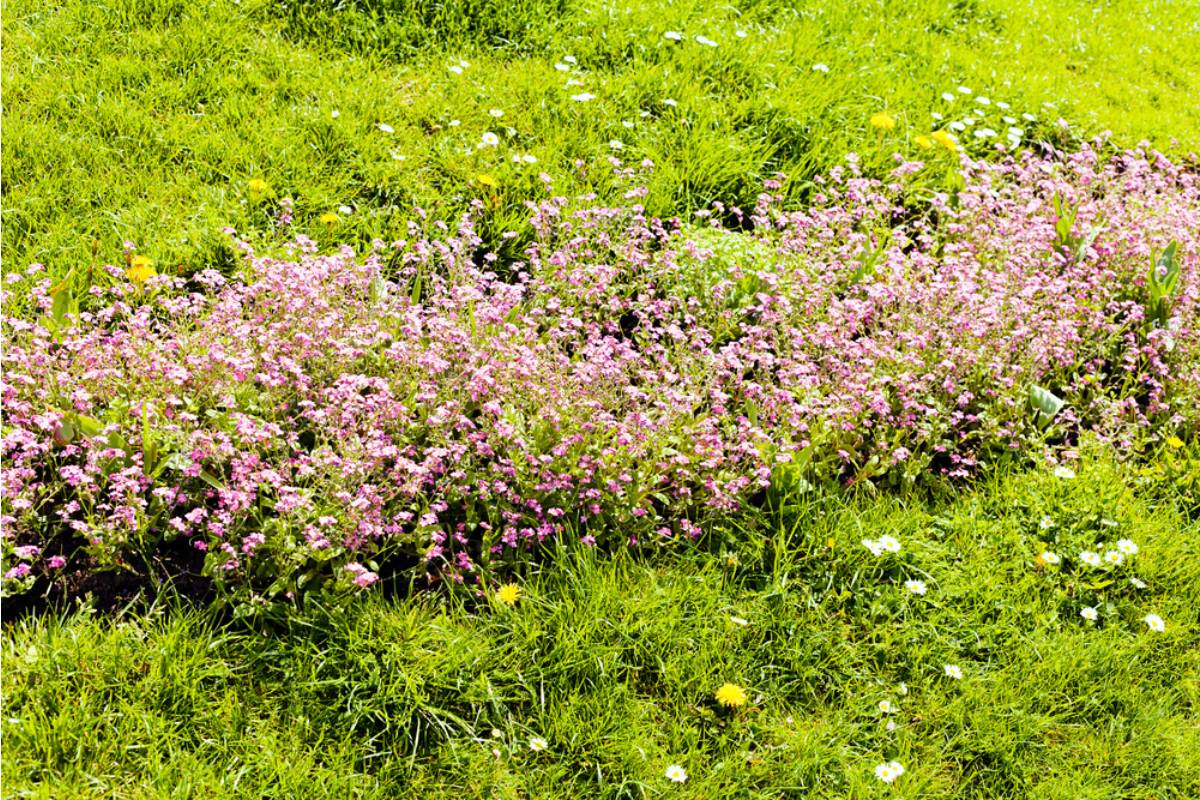
Some Homeowners Are Growing Native Wildflower Lawns Instead of Grass, And City Code Enforcement Is Sending Letters Calling Them “Overgrown”
It started as a quiet experiment in a small Ohio suburb where mowing lawns every weekend was practically a tradition. A few homeowners decided to replace traditional turf with native wildflowers that required less water and supported pollinators. At first, most neighbors barely noticed the change because the yards still looked green and alive. But by the second summer, the differences became impossible to ignore. That is when the first city letters began arriving.
A Lawn Replacement That Looked Different From Day One
One of the earliest adopters was a man named Travis who was tired of constant mowing and fertilizer costs. He planted a mix of coneflowers, black eyed Susans, and native grasses across his front yard. In the beginning, it looked messy compared to the trimmed lawns around him. His neighbors assumed it was a temporary project or a failed attempt at landscaping. But by midsummer, bees and butterflies filled the space in a way no traditional lawn ever had.
The First Complaints Come From Across the Street
The first complaint did not go to Travis directly but to the city office. A neighbor across the street claimed the property looked abandoned and unmaintained. They mentioned tall growth and “unusual plants” that did not fit the neighborhood standard. Travis only found out when a city notice was taped to his front door. It asked him to maintain his yard to code requirements within a short timeframe.
A Knock on the Door From Code Enforcement
A week later, a code enforcement officer visited the property in person. He walked slowly along the edge of the yard, taking photos and making notes. Travis explained that everything was intentional and composed of native species. The officer listened but said the rules focused on appearance and height, not intent. Before leaving, he warned that another inspection would follow soon.
Neighbors Split Over What a Yard Should Look Like
As more wildflower yards appeared on the street, opinions began to divide the neighborhood. Some residents loved the color and wildlife activity. Others argued it made the street look inconsistent and poorly maintained. One homeowner said it felt like living next to a field rather than a suburb. The disagreement spread through neighborhood group chats and weekend conversations.
A Second Letter That Raises the Stakes
Travis received a second notice stating his yard was still considered overgrown. The letter referenced visibility concerns near the sidewalk and property line. He was given a deadline to bring the lawn into compliance. When he showed it to neighbors with similar yards, they received nearly identical warnings. It was clear the issue was not just his property.
A Local Gardener Explains What Is Really Growing
To defend his case, Travis invited a native plant specialist from a local nursery. The expert identified each plant and explained their seasonal growth cycles. He pointed out that what looked tall and wild in early summer would naturally thin and cycle later in the year. The specialist also explained that native lawns often appear messy before they stabilize. This information, however, did not match city expectations.
City Council Meeting Draws a Crowd
The situation escalated when residents requested a public meeting with the city council. Homeowners with wildflower yards attended alongside neighbors who opposed them. Some brought photos of pollinators and soil improvements. Others brought complaints about visibility and uniformity. The meeting became a debate over whether ecological landscaping should override traditional appearance codes.
A Surprising Admission From the City Planner
During the meeting, a city planner admitted the current code was written decades ago with only turf lawns in mind. He acknowledged that native landscaping was not clearly addressed in the regulations. This created confusion about how enforcement should be applied. Some council members suggested updating the code, while others insisted rules must be enforced as written. The disagreement left no immediate resolution.
Enforcement Pauses But Tension Remains
After the meeting, code enforcement temporarily paused new citations for review. Homeowners were told their cases would be reassessed individually. Travis continued maintaining his wildflower yard but noticed neighbors watching more closely than before. Some still viewed it as neglected despite its ecological benefits. The pause felt less like resolution and more like waiting for the next decision.
A Pollinator Survey Changes the Conversation
A university environmental group conducted a survey in the neighborhood during peak bloom season. They documented a significant increase in bee and butterfly activity in wildflower yards compared to traditional lawns. The report gained attention online and was shared widely in local discussions. Suddenly, the yards were being seen in a different light. What was once labeled overgrown was now being studied as habitat.
A Neighbor Unexpectedly Changes Their Mind
One of the strongest critics of the wildflower yards, a retired engineer, began noticing fewer mosquitoes in his area. After observing the change over several weeks, he quietly asked Travis for seed recommendations. Within a month, he had converted a small section of his own yard. His shift surprised many neighbors who assumed opposition would remain fixed. It showed the debate was not as settled as it seemed.
A Revised Set of Guidelines Finally Arrives
After months of pressure, the city released updated landscaping guidelines. The new version included allowances for native plant gardens as long as they were intentionally designed and maintained. Height limits were adjusted to account for seasonal growth cycles. The language was still strict, but it acknowledged ecological landscaping for the first time. Homeowners with wildflower yards finally had clearer rules to follow.
A Neighborhood Slowly Redefines Its Look
By the following spring, more front yards began shifting away from uniform grass. Some residents combined traditional lawns with native borders. Others fully transitioned to wildflower designs after seeing pollinator activity firsthand. The street no longer looked identical from house to house. Instead, it reflected a mix of approaches that had once been in conflict. What started as “overgrown” yards gradually became part of a new neighborhood identity.