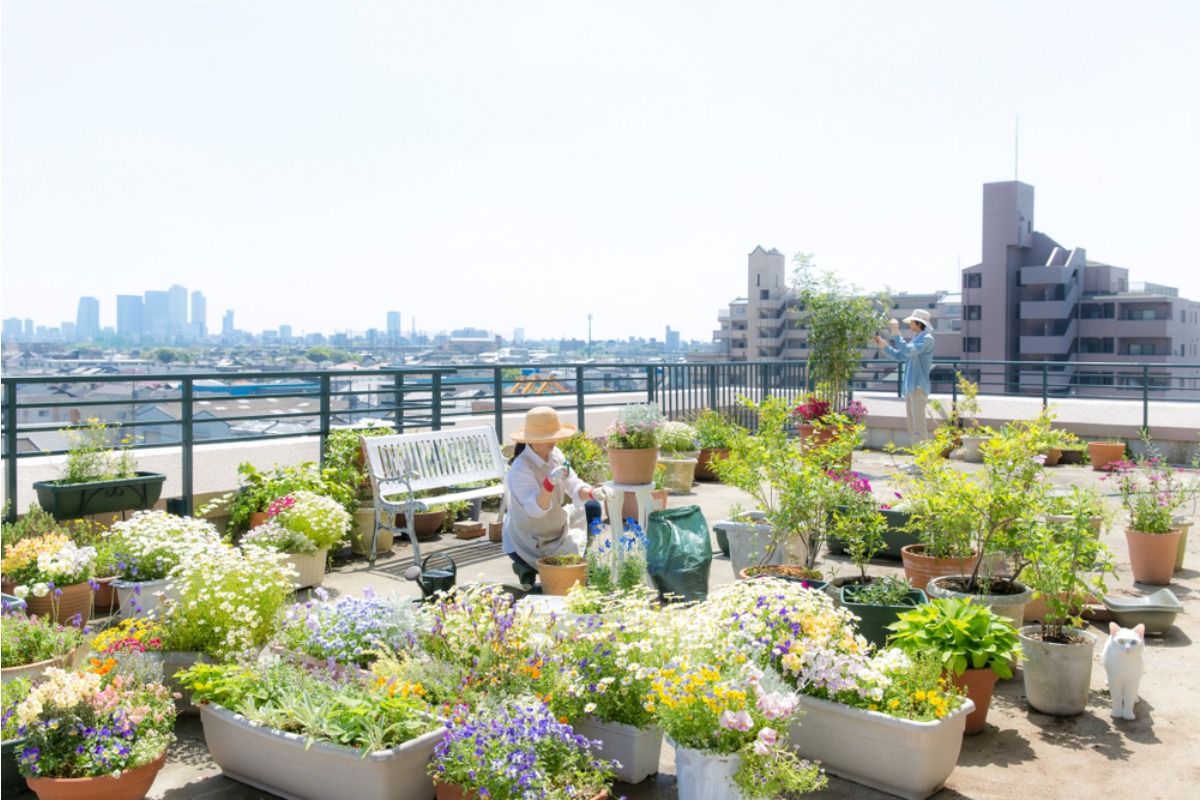
A Rising Number of Home Growers Are Using Shared Rooftop Gardens, And Communities Are Producing Food Together in Cities
A rising number of home growers are turning to shared rooftop gardens, and in many cities, communities are now producing food together instead of gardening individually. This shift is changing how urban spaces are used and how people connect through food.
Rooftops Are Becoming Shared Growing Spaces
Unused rooftops are being converted into community gardens where multiple households can grow vegetables and herbs. These spaces are often divided into small plots or shared beds. Instead of private gardening, people contribute collectively. Space that was once empty is now productive. Urban rooftops are gaining new purpose.
Community Participation Is Driving the Trend
Residents from apartments and nearby buildings often join together to maintain these gardens. Tasks like watering, planting, and harvesting are shared. This reduces individual effort while increasing output. Gardening becomes a group activity. Cooperation is central to the system.
Food Production Is Becoming Localized
Shared rooftop gardens help produce fresh vegetables close to where people live. This reduces dependence on long supply chains for small-scale produce. Harvested food is often shared among participants. Freshness and accessibility improve. Food feels more directly connected to the community.
Limited Urban Space Is Being Optimized
Cities with dense populations have little ground space for traditional gardens. Rooftops provide an underused alternative. Vertical and container gardening techniques are often used. This maximizes productivity in limited areas. Every available surface is utilized more efficiently.
Costs Are Lower When Shared
Instead of each person investing in separate tools and materials, costs are divided among participants. Seeds, soil, and equipment are often collectively purchased. This makes gardening more affordable. Shared responsibility reduces individual burden. Participation becomes more accessible.
Social Connections Are Strengthened
Working together in gardens helps neighbors interact more regularly. People who might not normally meet build relationships through shared tasks. Gardening becomes a social activity as well as a productive one. Community bonds grow stronger. Interaction becomes more natural.
Environmental Benefits Are Increasing
Rooftop gardens can help reduce urban heat, improve air quality, and support biodiversity. Plants also help absorb rainwater and reduce runoff. These benefits extend beyond food production. Green rooftops contribute to healthier cities. Environmental impact is a key advantage.
Knowledge Sharing Improves Gardening Skills
Participants often learn from each other about planting techniques and crop care. Experience is shared across the group. Beginners benefit from guidance. Skills improve collectively over time. Learning becomes part of the process.
Harvests Are Distributed Among Members
The produce grown in rooftop gardens is often shared or divided among participants. This creates a sense of fairness and cooperation. Some communities use rotational harvesting systems. Everyone benefits from the output. Food distribution becomes organized.
A Shift Toward Collective Urban Living
Shared rooftop gardening reflects a broader movement toward community-based living in cities. Instead of isolated home projects, people are working together to create value. Food production becomes a shared responsibility. Urban life becomes more connected. Gardening turns into a community effort.
As shared rooftop gardens continue to grow in popularity, cities are seeing a shift from individual gardening to collective food production. For many communities, it’s not just about growing vegetables, it’s about growing together.