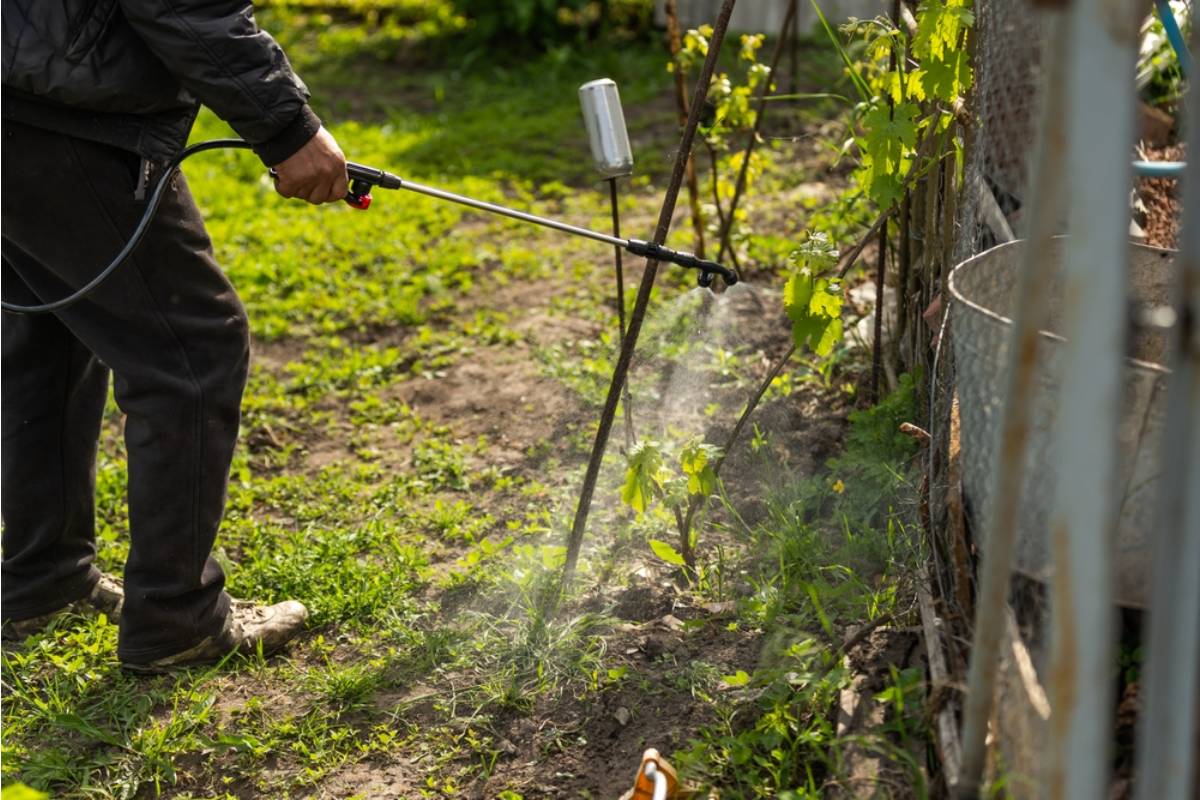
Gardener Says Her Neighbor Keeps Spraying Weed Killer Near the Property Line and Her Plants Keep Dying, Now She’s Putting It on Camera
Clara Benton noticed the first patch of dying plants along the edge of her garden bed near the shared fence. At first she blamed herself, thinking she had overwatered or missed a fertilizer cycle. But within days, more of the plants started curling and turning yellow in a pattern that moved inward from the fence line. She checked for pests, soil issues and even replaced a few seedlings, hoping it was just bad luck. Nothing explained how only the side closest to her neighbor’s yard was affected. That detail made her uneasy in a way she could not easily dismiss.
A Neighbor Who Kept His Distance
Next door lived Raymond Hale, a retired contractor who mostly kept to himself and rarely spoke beyond a wave. Clara had never had issues with him, and their property line had always been quiet and uneventful. But she did notice he spent a lot of time near that section of his yard, especially in the mornings. He would walk along the fence with a handheld sprayer, though she assumed it was just for his own weeds. Still, she could not ignore how often it lined up with when her plants started looking worse. She tried not to jump to conclusions, but the timing kept stacking up.
The Pattern Becomes Hard to Ignore
One weekend, Clara planted a fresh row of herbs along the fence, determined to test her theory. By the following week, those same herbs began to wilt despite healthy soil and consistent watering. She compared photos she had taken earlier and saw clear progression of damage starting from the fence side again. Her frustration grew because nothing inside her yard explained the repeated failure. Even her raised beds further away were thriving, which only sharpened the contrast. It started to feel less like gardening trouble and more like something external was affecting only that edge.
A Conversation That Went Nowhere
Clara decided to talk to Raymond directly instead of guessing. She caught him outside and calmly asked if he had been using any chemicals near the fence. Raymond frowned and said he was simply dealing with weeds in his own yard and not doing anything beyond normal maintenance. He seemed slightly offended by the question and denied any connection to her plants. The conversation ended quickly, leaving Clara feeling like she had just made things awkward without gaining clarity. Still, she could not shake the feeling that something did not add up.
The Damage Spreads Further
A few days later, more plants began dying, including ones a few feet away from the fence line. Clara started documenting everything with her phone, taking close up shots of the leaves and soil condition. She also marked areas where the damage first appeared, trying to find a pattern she could prove. The more she observed, the more the damage seemed to follow a directional spread from the property boundary inward. She felt a mix of frustration and disbelief as her carefully maintained garden continued to collapse. It no longer felt like coincidence.
Installing the First Camera
Clara ordered a small outdoor security camera and mounted it discreetly facing the fence line. She told herself it was just for peace of mind, not confrontation. The setup was simple, but she checked the live feed more often than she admitted. For the first day, nothing unusual happened beyond Raymond doing routine yard work. But Clara kept watching, convinced that if something was happening, it would not be obvious at first. The camera changed how she experienced her own backyard, turning it into something she monitored instead of enjoyed.
The Moment on Video
Two days later, Clara reviewed footage and saw Raymond stepping into view with a handheld sprayer. He moved along his side of the fence, pausing near the same stretch where her plants were dying. She watched closely as a fine mist drifted toward the fence line while he worked on weeds along his edge. It was not dramatic, but it was consistent and deliberate enough to make her heart race. She replayed the clip several times, trying to confirm what she had just seen. For the first time, she felt certain she was not imagining the connection.
A Second Attempt to Talk Things Through
Clara brought a printed frame from the footage and knocked on Raymond’s door. He looked at it, then at her, and insisted he was only treating weeds on his property. He said wind drift was not something he could control and suggested she might be overreacting. Clara pointed out the repeated pattern in the video and the damage timeline in her garden. The conversation quickly became tense, with both of them refusing to move from their position. No agreement came from it, only a deeper divide.
Other Neighbors Start Noticing
Word began to spread quietly in the neighborhood after Clara mentioned the issue to a few people. One neighbor admitted she had also noticed occasional chemical smells when Raymond worked near the fence. Another said they had seen him spraying but assumed it was standard yard treatment. Opinions split quickly between those who trusted Raymond and those who thought Clara had a point. The situation was no longer private, even if no one wanted to say it out loud directly. The tension began to ripple beyond just two properties.
The Garden Nearly Collapses
By mid season, most of Clara’s fence line garden had failed. Only a few hardy plants survived, and even those looked weak and stressed. She spent hours trying to revive what she could, but the damage seemed permanent in those areas. The emotional toll hit harder than the financial loss or effort wasted. What had once been her favorite part of the yard now felt like a dead zone she could not fix. She stopped planting anything new along that section altogether.
Another Recording Changes the Tone
Clara adjusted the camera angle and caught another clip that showed more direct overspray drifting farther than before. This time, even she hesitated before watching it fully, knowing what it would likely confirm. She saved the footage and backed it up, then reached out to a local garden expert for an opinion. The expert suggested possible chemical drift but said only an official inspection could determine responsibility. That answer left Clara stuck between certainty and proof she could not yet enforce. The situation was no longer just personal frustration but something potentially formal.
A Formal Complaint is Filed
Clara eventually filed a complaint with the local environmental office, submitting her recordings and photos. She was told the process would take time and require an investigation on both properties. Raymond was notified shortly after, and his reaction was immediate frustration rather than surprise. He insisted he was being unfairly targeted over normal yard maintenance. Clara felt uneasy knowing the situation had crossed into official territory. What had started as dying plants had now turned into a documented dispute.
Waiting for Resolution
Weeks passed while the investigation moved slowly, and Clara kept her camera running out of habit more than hope. She avoided planting anything new along the fence, focusing instead on rebuilding other parts of her garden. Raymond continued his yard work as usual, though now he kept his activities more contained and less visible. Neither of them spoke beyond brief exchanges, and even those felt strained. The fence line remained the center of silent tension between two homes. And for Clara, the garden had become something she was still fighting to understand rather than enjoy.